What Temperature To Slow Cook Ribs In The Oven Perfectly
The ideal temperature to slow cook ribs in the oven is between 225°F and 300°F. This low and slow approach breaks down connective tissue, making your ribs tender and flavorful. Whether you prefer baby back ribs or pork spare ribs, mastering the oven temperature is the key to fall-off-the-bone perfection. In this guide, you will learn the best settings, timing, and pro tips for oven-baked ribs that rival any backyard smoker.
There is nothing quite like the smell of slow cooked ribs filling up your kitchen. The tender meat, the smoky glaze, the way the bone pulls away from the meat — it is pure comfort food at its finest. But here is the thing many people get wrong. What temperature to slow cook ribs in the oven makes all the difference between dry, tough ribs and mouthwatering perfection.
If you have ever wondered how to get restaurant-quality BBQ ribs without a smoker, you are in the right place. This guide walks you through everything you need to know about oven-baked ribs. We will cover the best temperatures, cooking times, rib selection, and simple tips that elevate your results every single time.
Whether you are a weekend grill master or a beginner in the kitchen, this article gives you the confidence to tackle low and slow ribs like a pro. Let us dive in and make your next batch of ribs the best one yet.
Key Takeaways
- Low and slow is the way to go: Cook ribs at 225°F to 300°F for the best texture and flavor.
- Time matters: Expect 3 to 4 hours of cooking time depending on the rib type and oven temperature.
- Use a meat thermometer: The internal temperature should reach 195°F to 203°F for tender ribs.
- The foil wrap technique: Wrapping ribs in foil halfway through keeps moisture locked in.
- Choose the right cut: Baby back ribs cook faster than pork spare ribs in the oven.
- Rest your ribs: Let ribs rest for 15 to 30 minutes before slicing for juicier results.
- Patience pays off: Resist the urge to raise the heat. True slow-cooked ribs need time.
📑 Table of Contents
- The Best Temperature To Slow Cook Ribs In The Oven
- How Long To Slow Cook Ribs In The Oven
- Step By Step Guide To Oven Slow Cooked Ribs
- Choosing The Right Ribs For Slow Cooking
- Tips And Tricks For Perfect Ribs Every Time
- Common Mistakes To Avoid When Slow Cooking Ribs
- Quick Tips For Amazing Oven Ribs
- Expert Insights On Oven Ribs
- Conclusion
The Best Temperature To Slow Cook Ribs In The Oven
The short answer is simple. 225°F to 300°F is the sweet spot for slow cooking ribs in the oven. This range allows the heat to penetrate the meat gently over time, breaking down the collagen and fat that make ribs so delicious when done right.
But not all temperatures are created equal. Let us look at the most common options and what each one does for your ribs.
225°F: The Low and Slow Approach
Cooking ribs at 225°F is the classic low and slow method. This temperature mimics the environment of a traditional smoker. It takes longer — usually around 4 to 5 hours — but the results are outstanding. The meat becomes incredibly tender, and the flavors have time to develop deeply.
This approach works best for pork spare ribs and thicker cuts. If you have the time and want the most authentic smoked flavor from your oven, this is your go-to temperature.
250°F: The Balanced Middle Ground
Many home cooks find that 250°F hits the perfect balance. It is hot enough to cook ribs in a reasonable time but cool enough to keep the meat moist. At this temperature, most racks of ribs finish in about 3 to 4 hours.
250°F is a great starting point if you are new to oven-baked ribs. It gives you a forgiving window where the meat is less likely to dry out, even if you lose track of time slightly.
300°F: The Faster Option
Running your oven at 300°F speeds things up. Ribs can be done in about 2.5 to 3 hours at this temperature. The trade-off is that you have less time for the smoke flavor to develop, and the meat can dry out faster if you are not careful.
If you are short on time or cooking baby back ribs, which are thinner and cook faster, 300°F can work well. Just keep a close eye on the internal temperature to avoid overcooking.
How Long To Slow Cook Ribs In The Oven
Temperature and time go hand in hand. The lower your oven temperature, the longer your ribs need to cook. But the type of rib you choose also plays a big role in the total cooking time.
| Rib Type | Oven Temp | Approximate Cook Time | Finished Internal Temp |
|---|---|---|---|
| Baby Back Ribs | 225°F – 275°F | 2.5 – 4 hours | 195°F – 203°F |
| Pork Spare Ribs | 225°F – 275°F | 3.5 – 5 hours | 195°F – 203°F |
| St. Louis Style Ribs | 250°F – 300°F | 3 – 4.5 hours | 195°F – 203°F |
| Bone-In Ribs | 225°F – 275°F | 4 – 5 hours | 195°F – 203°F |
These times are guidelines, not strict rules. Every oven runs a little differently, and the thickness of your ribs varies. The real indicator of doneness is the internal temperature, not the clock on the wall.
A useful trick is the bend test. Pick up one end of the rack with tongs. If the ribs bend and crack slightly on the surface, they are ready. If they still feel stiff, give them more time.
Step By Step Guide To Oven Slow Cooked Ribs
Now that you know the right temperature, let us walk through the full process. Follow these steps and you will have incredible oven-baked ribs every time.
Step 1: Prep Your Ribs
Start by removing the membrane from the back of the rib rack. Use a butter knife to loosen one corner, then grab it with a paper towel and peel it off. This thin membrane blocks seasoning from reaching the meat and creates a chewy texture nobody wants.
Next, pat the ribs dry with paper towels. Moisture is the enemy of a good bark, so the drier the surface, the better.
Step 2: Apply Your Rub
A good rib rub recipe is the foundation of flavor. A simple blend of brown sugar, paprika, garlic powder, onion powder, salt, and black pepper works wonders. Massage the rub generously over all sides of the ribs.
For best results, apply the rub at least 30 minutes before cooking, or even the night before and refrigerate. This gives the seasoning time to penetrate the meat deeply.
Step 3: Wrap In Foil (Optional But Recommended)
Many pitmasters use the rib wrapping technique to keep ribs moist during the long cook. After the ribs have been in the oven for about 2 to 2.5 hours, wrap them tightly in heavy-duty aluminum foil.
Add a small splash of apple cider vinegar or apple juice inside the foil before sealing. This creates steam that braises the meat and speeds up the tenderizing process.
Step 4: Unwrap And Glaze
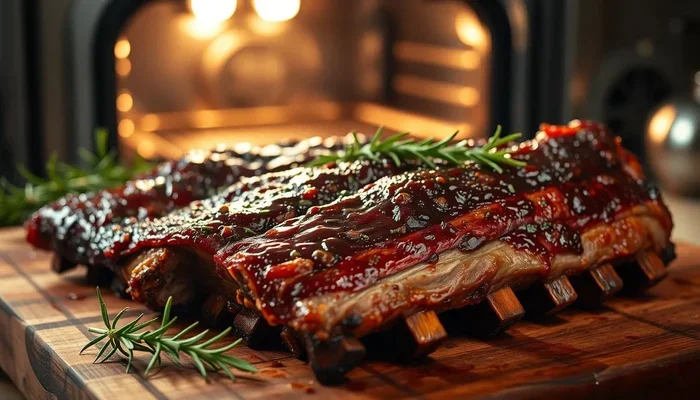
Remove the foil during the last 30 to 45 minutes of cooking. Brush your favorite BBQ sauce or glaze over the ribs. The open oven time lets the sauce caramelize and form a sticky, flavorful bark.
Be careful not to add the sauce too early. The sugar in most sauces can burn at low temperatures, leaving a bitter taste.
Step 5: Rest And Serve
Once the ribs hit an internal temperature of 195°F to 203°F, pull them out of the oven. Wrap them in a clean towel and let them rest for 15 to 30 minutes. This allows the juices to redistribute throughout the meat.
Slice between the bones and serve. Your fall-off-the-bone ribs are ready.
Choosing The Right Ribs For Slow Cooking
Not all ribs are the same, and choosing the right cut makes a big difference in your results. Here is a quick look at the most popular options for oven-baked ribs.
Baby Back Ribs
Baby back ribs come from the top of the pig’s rib cage, near the spine. They are leaner, more tender, and cook faster than other cuts. Because of their shorter cooking time, they are a great choice when you want low and slow ribs without spending half a day in the kitchen.
Expect baby back ribs to be done at 225°F to 275°F in about 2.5 to 4 hours.
Pork Spare Ribs
Pork spare ribs come from the belly side of the rib cage. They are fattier and meatier, which means they need more time to cook through. The extra fat also means more flavor, but it requires a longer cooking time for ribs at a steady low temperature.
Plan for 3.5 to 5 hours when slow cooking pork spare ribs in the oven.
St. Louis Style Ribs
St. Louis style ribs are pork spare ribs that have been trimmed into a neat, rectangular shape. They cook evenly and are a favorite for competition-style barbeque ribs. They fit well in most standard ovens and respond beautifully to the low and slow method.
Bone-In Versus Boneless Ribs
Bone-in ribs are the standard choice for slow cooking. The bone adds flavor and protects the meat during the long cook. Boneless ribs cook faster but can dry out more easily. If you choose boneless, keep a close watch on the internal temperature and consider wrapping them in foil earlier.
Tips And Tricks For Perfect Ribs Every Time
Even experienced cooks can run into trouble with oven ribs. Here are some expert insights and practical tips that help you avoid common pitfalls.
Use A Meat Thermometer
This is the single most important tool for perfect ribs. A meat thermometer takes the guesswork out of cooking. Insert it into the thickest part of the meat, avoiding the bone. When the internal temperature hits 195°F to 203°F, your ribs are done.
Relying on time alone is risky. Ovens vary, and the thickness of each rack differs. The thermometer never lies.
Keep The Oven Door Closed
Every time you open the oven door, you lose heat and extend the cooking time. Try to resist peeking. Use the oven light to check on your ribs instead. Slow cooker ribs in the oven need a stable, consistent temperature to work properly.
The 3-2-1 Method (For Smoked Flavor)
The 3-2-1 method is popular for smoking ribs, but you can adapt it for the oven. Smoke the ribs for 3 hours using wood chips on a baking sheet at the bottom of the oven. Wrap in foil for 2 hours. Then unwrap and glaze for the final hour.
Soak wood chips like hickory or applewood in water for 30 minutes before adding them to a baking sheet. This creates more smoke and a deeper flavor profile.
Rotate The Ribs Halfway Through
Most ovens have hot spots. Rotating the rib rack halfway through the cook ensures even heat exposure. This simple step prevents one side from drying out while the other stays undercooked.
Let The Ribs Rest Properly
Resting is not just a suggestion — it is essential. When you pull ribs out of the oven, the internal temperature continues to rise by a few degrees. More importantly, resting lets the juices settle back into the meat, making every bite moist and flavorful.
Common Mistakes To Avoid When Slow Cooking Ribs
Learning what not to do is just as important as knowing the right technique. Here are the most common mistakes people make when making BBQ ribs in the oven.
Cooking At Too High A Temperature
This is the number one mistake. Some people set the oven to 350°F or higher, thinking it will save time. The result is tough, dry ribs with a burnt exterior and raw interior. Low and slow is not just a catchy phrase — it is the science behind tender ribs.
Skipping The Membrane Removal
That thin membrane on the back of the rack is tough and chewy. It also blocks your rub from reaching the meat. Always remove it before cooking. It takes about 30 seconds and makes a noticeable difference in texture.
Adding Sauce Too Early
Most BBQ sauces contain sugar, which caramelizes and burns at low temperatures over long periods. Add your sauce only during the last 30 to 45 minutes of cooking. This gives you a glossy, flavorful glaze without the risk of charring.
Not Wrapping In Foil
While wrapping is optional, skipping it for a long cook often leads to dry ribs. The foil trap keeps steam and moisture working on the meat. Think of it as a built-in braising tool that fits right in your oven.
Cutting Into Ribs Too Soon
It can be tempting to peek and cut a piece to check doneness. Resist this urge. Every time you cut into the rack, you release precious juices. Wait until the ribs are fully rested before slicing.
Ignoring The Oven’s True Temperature
Many home ovens run hotter or cooler than the dial indicates. Invest in an inexpensive oven thermometer to place inside your oven. This small tool ensures your pork ribs oven temperature is accurate, which is critical for consistent results.
Quick Tips For Amazing Oven Ribs
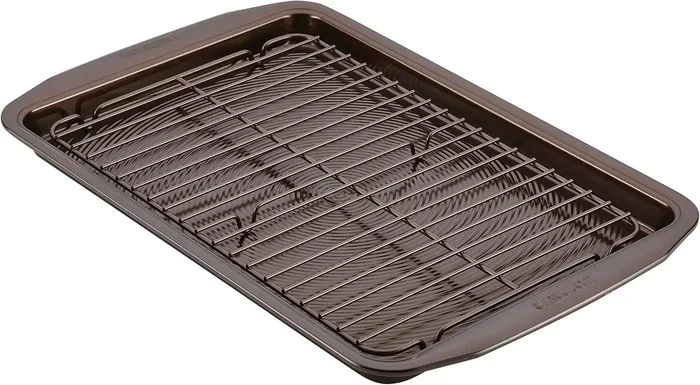
- Use a rack inside a baking sheet: Elevating the ribs allows air to circulate evenly around the meat.
- Place a drip pan below: This catches grease and makes cleanup a breeze.
- Experiment with wood chips: Hickory gives a strong, bold smoke flavor. Applewood is milder and sweeter. Cherry adds a beautiful reddish color.
- Double-wrap in foil for extra moisture: If your ribs tend to dry out, use two layers of heavy-duty foil.
- Brush with butter in the last 15 minutes: This adds richness and helps the glaze stick better.
- Let ribs come to room temperature: Taking the ribs out 30 minutes before cooking helps them cook more evenly.
Expert Insights On Oven Ribs
Expert Insight: Professional pitmasters agree that the secret to great ribs is not a secret at all. It is patience. The low and slow method works because collagen in the connective tissue breaks down over hours of gentle heat. This transformation is what gives ribs their signature tender, pull-apart texture.
Expert Insight: Do not underestimate the power of a good rest. Many home cooks pull ribs at the right temperature but skip the resting step. Those extra 15 to 30 minutes make the difference between good ribs and unforgettable ribs.
Expert Insight: If you want to replicate that authentic smoker flavor in your oven, cold smoking is worth trying. Place a smoke tube filled with pellets at the bottom of the oven before the ribs go in. This adds a layer of smoky depth that plain oven cooking cannot achieve on its own.
Conclusion
Getting the temperature to slow cook ribs in the oven right is the foundation of incredible BBQ ribs at home. Stick with 225°F to 300°F, be patient, and trust the process. Whether you are cooking baby back ribs or pork spare ribs, the low and slow method rewards you with tender, juicy, flavorful meat that will impress everyone at the table.
Use a meat thermometer, remove the membrane, wrap in foil when needed, and add your sauce at the right time. Avoid the common mistakes, follow the steps in this guide, and you will never go back to dry, overcooked ribs again.
The beauty of oven-baked ribs is that you do not need a smoker or a backyard to enjoy them. Your kitchen oven can produce results that rival any competition-grade smoker. So fire up your oven, grab a rack of ribs, and get ready for a meal that is truly worth the wait.
Now that you know exactly what temperature to slow cook ribs in the oven, it is time to put this knowledge to work. Your next batch of ribs is going to be the best one yet.
Frequently Asked Questions
What is the best temperature to slow cook ribs in the oven?
The best temperature to slow cook ribs in the oven is between 225°F and 300°F. This low and slow range breaks down the connective tissue in the meat, resulting in tender, juicy ribs. Most cooks find that 250°F offers the best balance of flavor and cooking time.
How long does it take to slow cook ribs in the oven?
Cooking time depends on the oven temperature and the type of ribs. At 225°F, ribs typically take 4 to 5 hours. At 250°F, expect 3 to 4 hours. At 300°F, ribs can be done in 2.5 to 3 hours. Always use a meat thermometer to confirm doneness at 195°F to 203°F.
Can you slow cook ribs in the oven at 200°F?
Yes, you can slow cook ribs at 200°F, but it will take longer — usually 5 to 6 hours. This temperature is excellent for maximum tenderness and flavor development. Just be sure to wrap the ribs in foil to retain moisture during the extended cook time.
Should you wrap ribs in foil when slow cooking in the oven?
Wrapping ribs in foil is highly recommended for oven slow cooking. The foil traps steam, which braises the meat and keeps it moist. Wrap the ribs after about 2 to 2.5 hours of cooking and continue until the final glazing stage.
What is the 3-2-1 method for ribs in the oven?
The 3-2-1 method involves smoking ribs for 3 hours, wrapping them in foil for 2 hours, and then unwrapping them to glaze for the final hour. You can adapt this for the oven by using wood chips on a baking sheet to create smoke during the first three hours.
How do you know when ribs are done in the oven?
Ribs are done when the internal temperature reaches 195°F to 203°F. You can also perform the bend test by lifting one end of the rack with tongs. If the surface cracks slightly and the meat feels tender, the ribs are ready. Always use a meat thermometer for the most accurate result.