How To Bake A Fresh Ham In The Oven With These Tips
Baking a fresh ham in the oven is simpler than you think and delivers incredible results. This guide covers everything from selecting the right cut to pulling a perfectly glazed ham out of the oven. You will learn step-by-step instructions, pro tips, and common mistakes to avoid for a stunning oven baked ham every time.
There is something truly special about how to bake a fresh ham in the oven. Whether you are planning a holiday dinner or simply want a delicious weekend meal, a perfectly baked ham can steal the show. The oven method gives you full control over the cooking process, the glaze, and the final result.
Baking a fresh ham might seem intimidating at first. But with the right approach, it is easier than you think. This guide walks you through every step, from choosing the right cut to pulling the finished ham out of the oven. You will learn practical tips that make the process smooth and enjoyable.
By the time you finish reading, you will know exactly how to prepare, season, and bake a fresh ham in the oven like a pro. We cover tools, timing, glazes, and common mistakes. Let us get started on your journey to a mouthwatering oven baked ham.
Key Takeaways
- Fresh ham is uncured and uncooked: Unlike deli ham, a fresh ham gives you full control over flavor and seasoning.
- 325°F is the ideal baking ham temperature: This low-and-slow approach keeps the meat moist and tender throughout.
- A meat thermometer is essential: The ham internal temperature should reach 145°F for safe, juicy results.
- Glaze in the last 30 to 45 minutes: Applying the brown sugar ham glaze too early can cause burning and bitterness.
- Rest the ham for 15 to 20 minutes: This lets juices redistribute and makes carving much easier and cleaner.
- Plan for 20 to 25 minutes per pound: Use this ham cooking time guideline to estimate your total bake time accurately.
- Leftover ham stores beautifully: Refrigerate for up to 5 days or freeze for 3 months and reheat gently.
📑 Table of Contents
- What Is a Fresh Ham and Why Bake It in the Oven
- Essential Tools and Ingredients for Your Fresh Ham
- Step-by-Step Instructions for How to Bake a Fresh Ham in the Oven
- How to Make the Perfect Ham Glaze
- Common Mistakes to Avoid When Baking Ham
- Serving and Carving Your Fresh Ham Like a Pro
- Final Thoughts on Baking Fresh Ham
What Is a Fresh Ham and Why Bake It in the Oven
Not all hams are created equal. Understanding what a fresh ham actually is makes a big difference in how you cook it. Many people confuse fresh ham with cured or smoked ham, but they are very different products. A fresh ham is an uncured, uncooked cut from the hind leg of a pig. It looks and feels more like a pork roast than the hams you find at the deli counter.
Since it has not been cured or smoked, a fresh ham has a mild, clean pork flavor that absorbs seasonings beautifully. This is why learning how to bake a fresh ham in the oven is so rewarding. You start with a blank canvas and build layers of flavor exactly the way you want them.
Fresh Ham vs. Cured Ham: What Is the Difference
Cured hams have been treated with salt, nitrates, or sugar solutions. They often come pre-cooked and just need reheating before serving. When you bake a fresh ham, you are starting from scratch. This means you control every layer of flavor from the first seasoning to the final glaze.
The result is a customized centerpiece that suits your taste perfectly. A cured ham can be good, but a fresh ham recipe allows you to go far beyond standard flavors. You can go smoky, sweet, savory, or spicy. The choice is entirely yours when you work with a raw, fresh cut.
Why the Oven Is the Best Method for Baking Ham
The oven provides even, consistent heat that surrounds the ham on all sides. This is ideal for cooking a large, dense cut like a whole fresh ham. Unlike a slow cooker or grill, the oven allows you to baste, glaze, and monitor the cooking process closely.
Oven baking also creates that beautiful outer crust many people love. The dry heat caramelizes the surface, giving you a golden, slightly crispy exterior while keeping the inside moist and tender. For a holiday ham or special occasion, the oven delivers reliable, impressive results every time. It is the most traditional and trusted method for preparing a whole ham.
Essential Tools and Ingredients for Your Fresh Ham
Before you start, gather everything you need. Having the right tools and ingredients ready makes the entire process smoother and less stressful. You do not want to be scrambling mid-cook when the ham is already in the oven.
Kitchen Tools You Will Need
Here is a simple list of tools for your fresh ham recipe:
- A large roasting pan with a rack
- A meat thermometer (this is non-negotiable)
- Aluminum foil for covering during cooking
- A sharp knife for scoring and carving
- A basting brush or spoon for the glaze
- A cutting board and carving knife for serving
The ham thermometer is the single most important tool on this list. A fresh ham needs to reach a safe internal temperature to be fully cooked. Do not guess. Always use a reliable probe thermometer inserted into the thickest part of the meat, away from the bone.
Pro tip: if your thermometer reads differently at different spots, check multiple locations. The thickest section of the ham takes the longest to cook, so that is where you need the most accurate reading.
The Best Ingredients for Maximum Flavor
The beauty of baking a fresh ham is that you can customize the flavor profile. Here are the essential ingredients to gather before you start:
- Whole fresh ham (about 8 to 12 pounds for a family gathering)
- Whole cloves for studding the surface
- Brown sugar for the glaze base
- Mustard powder or Dijon mustard
- Honey or pure maple syrup
- Apple cider vinegar for brightness
- Black pepper and sea salt
- Bay leaves for the braising liquid
- Apple cider or apple juice for the roasting pan
These ingredients work together to create a balanced, savory-sweet flavor profile. You can adjust quantities based on your preferences and the size of your ham. The goal is to complement the natural pork flavor without overpowering it. Keep it simple and let the quality of the meat speak for itself.
Step-by-Step Instructions for How to Bake a Fresh Ham in the Oven
This is where the magic happens. Follow these steps carefully, and you will pull a stunning oven baked ham out of your oven. Each step matters, so do not skip ahead or rush through the process.
Preparing the Ham Before It Goes in the Oven
Start by removing the ham from its packaging and rinsing it under cold running water. Pat it completely dry with paper towels. Place the ham on a sturdy cutting board and use a sharp knife to score the surface in a diamond pattern.
The scoring serves two important purposes. First, it allows the glaze to penetrate deep into the meat during baking. Second, it creates an attractive presentation that will impress your guests. Make sure your cuts are about a quarter-inch deep. Do not cut too deeply or you will expose the lean meat underneath and cause it to dry out.
Next, stud the scored diamonds with whole cloves if you like the flavor. This adds a warm, aromatic quality that pairs beautifully with pork. Some people skip the cloves, and that is perfectly fine too. The ham will still turn out delicious without them. The choice is entirely up to you and your personal taste.
Setting the Right Temperature and Timing
Preheat your oven to 325 degrees Fahrenheit. This is the ideal baking ham temperature for a fresh ham. A lower temperature ensures the meat cooks evenly from edge to center without drying out the outer layers before the inside is done.
Place the ham on a rack inside your roasting pan. Add about one cup of apple cider or water to the bottom of the pan. This creates steam that keeps the oven environment moist and prevents the ham from drying out during the long cook time.
The general ham cooking time is about 20 to 25 minutes per pound. So a 10-pound ham will take roughly 3.5 to 4 hours. However, this is just a guideline. The real indicator of doneness is the internal temperature, not the clock.
Here is a quick reference for how long to cook a ham based on weight:
- 8-pound ham: approximately 2.5 to 3 hours
- 10-pound ham: approximately 3.5 to 4 hours
- 12-pound ham: approximately 4 to 5 hours
These times assume an oven temperature of 325 degrees Fahrenheit. Always use a thermometer to confirm doneness rather than relying solely on the clock. Every oven is slightly different, and every ham varies in shape and density.
Checking for Doneness Like a Pro
The ham internal temperature should reach 145 degrees Fahrenheit for a safely cooked fresh ham. Insert the thermometer into the thickest part of the meat, avoiding the bone if possible. The bone conducts heat differently and can give you a false reading.
If you are unsure about the temperature, err on the side of checking early. You can always cook longer, but you cannot undo an overcooked ham. The meat should feel firm but still yield slightly when pressed with your finger. A well-cooked fresh ham should have clear juices, not pink or bloody ones.
Once the ham reaches the target temperature, remove it from the oven and let it rest on a cutting board. Resting allows the juices to redistribute throughout the meat. This simple step makes a huge difference in the final texture and juiciness of your oven baked ham. Do not skip it.
How to Make the Perfect Ham Glaze
A great glaze transforms a good ham into an unforgettable one. The glaze adds sweetness, shine, and a beautiful caramelized crust that everyone loves. Making a ham glaze recipe at home is simple and far better than any store-bought alternative you will find on a grocery shelf.
Classic Brown Sugar Ham Glaze Recipe
This is the most popular glaze for a reason. It is easy to make and pairs perfectly with fresh ham:
- 1 cup brown sugar, packed firmly
- 2 tablespoons Dijon mustard
- 1 tablespoon apple cider vinegar
- 1 tablespoon pure honey
- 1 teaspoon ground cinnamon
- 1 teaspoon ground cloves
Mix all the ingredients in a small saucepan over medium heat. Stir until the brown sugar dissolves completely and the mixture is smooth. Let it simmer for about 5 minutes until it slightly thickens. Remove from heat and let it cool for a few minutes before applying it to the ham.
Brush the glaze over the ham during the last 30 to 45 minutes of baking. Apply it in thin, even layers using a basting brush. This gives you a beautiful, glossy finish without burning the sugar. You can apply 2 to 3 coats for a thicker, more caramelized crust. Each coat adds more flavor and a deeper golden color.
Alternative Glaze Ideas to Try
Want to mix things up and surprise your guests? Try one of these glazing ham variations:
- Maple Bourbon Glaze: Combine pure maple syrup, bourbon, and a touch of black pepper for a rich, smoky flavor profile.
- Pineapple Brown Sugar Glaze: Add crushed pineapple and a splash of fresh lime juice to the classic brown sugar base for a tropical twist.
- Honey Mustard Glaze: Mix honey, whole grain mustard, and a pinch of cayenne pepper for a tangy and slightly spicy kick.
- Herb Garden Glaze: Blend fresh rosemary, thyme, minced garlic, olive oil, and lemon zest for a savory, aromatic option.
Each of these ham glaze recipes brings a unique character to your bake ham experience. Feel free to experiment and find your family favorite. You can also split the ham into sections and try different glazes on each portion for a fun, interactive serving option.
Common Mistakes to Avoid When Baking Ham
Even experienced cooks can make mistakes when preparing a fresh ham. Knowing what to avoid saves you time, money, and disappointment. Here are the most common errors people make when they bake ham in the oven.
Skipping the Thermometer Entirely
This is the number one mistake people make when baking ham. Relying on time alone is simply not enough. Every oven is different, and every ham varies in size, shape, and starting temperature. A ham thermometer takes the guesswork out of the equation entirely and gives you confidence in your results.
Invest in a good instant-read or leave-in probe thermometer. They are inexpensive and will last for years of cooking. Your fresh ham recipe will be much more successful when you use one. Make sure to check the temperature in multiple spots for the most accurate reading. The area closest to the bone often reads differently than the center of the meat.
Overcooking the Ham Until It Is Dry
Overcooked ham becomes dry, tough, and unappetizing. This is a real tragedy when you have put in all that effort and expense. The key to avoiding this is to pull the ham from the oven when the internal temperature reaches 140 to 145 degrees Fahrenheit. The temperature will continue to rise slightly as the ham rests on the counter.
Set a timer and check the temperature early and often. It is much better to finish cooking with an extra 15 minutes in the oven than to overcook the meat. Remember, a fresh ham continues to cook after you remove it from the oven. This carryover cooking can add 5 to 10 degrees to the internal temperature, so factor that into your decision.
Forgetting to Let the Ham Rest Before Carving
Resting is not optional. When you cut into a hot ham right out of the oven, the juices run out immediately onto the cutting board. This leaves you with dry slices and wasted flavor. Let the ham rest for at least 15 to 20 minutes before you start carving.
Cover the ham loosely with aluminum foil during resting. This keeps it warm without trapping steam, which could make the glaze soggy and lose its shine. A proper rest ensures that every slice is juicy, tender, and full of flavor. Your guests will notice the difference immediately.
Serving and Carving Your Fresh Ham Like a Pro
You have worked hard to bake the perfect fresh ham. Now it is time to serve it in style. How you carve and present the ham matters just as much as how you cooked it. A beautiful presentation sets the tone for the entire meal.
How to Carve a Ham Like a Professional
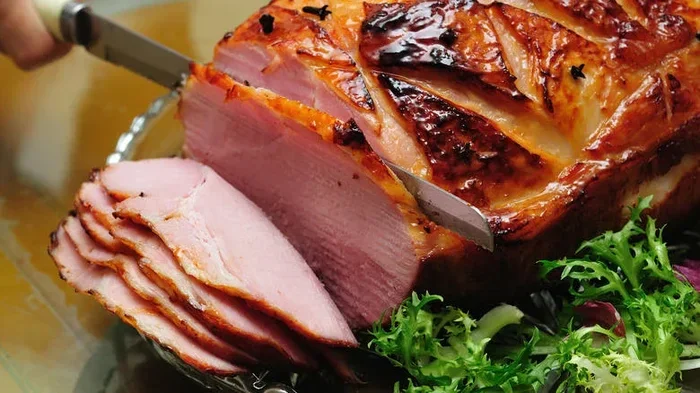
Place the ham on a sturdy cutting board with the cut side facing down. Identify the direction of the bones running through the meat. You want to slice parallel to the bone, cutting thin, even slices. This technique maximizes tenderness and makes the ham much easier for your guests to eat.
Start by slicing along the shank end first. This is the narrow, bone-in end of the ham. Work your way toward the thicker, meatier center of the ham. Use a sharp carving knife and apply gentle, even pressure. Do not saw back and forth aggressively. One smooth stroke per slice gives you the cleanest, most attractive cuts.
If you are serving a bone-in ham, remove the bone once you have carved enough slices around it. The bone makes a great centerpiece for presentation on the serving platter. The meat nearest the bone is often the most flavorful and juicy. Save the bone for making soup or stock later in the week. It adds incredible depth of flavor to any dish.
Storing Leftover Ham the Right Way
Leftover ham keeps well in the refrigerator for up to 5 days when stored properly. Wrap it tightly in plastic wrap or store it in an airtight container to prevent it from drying out. For longer storage, freeze individual slices wrapped in freezer paper for up to 3 months.
Leftover oven baked ham is incredibly versatile in the kitchen. Use it in sandwiches, soups, casseroles, omelets, and fried rice. The flavor only gets better the next day as the seasonings continue to meld together. A quick reheat in the oven at 300 degrees Fahrenheit keeps the ham moist and delicious without drying it out.
Final Thoughts on Baking Fresh Ham
Baking a fresh ham in the oven is one of the most rewarding things you can do in the kitchen. It requires patience, attention to detail, and a willingness to learn. But the payoff is enormous. A perfectly baked fresh ham fills your home with an incredible aroma and provides a stunning centerpiece for any meal or gathering.
Remember the key elements that make the difference: start with a quality cut of meat, use a reliable thermometer, master your glaze, and never skip the resting period. These ham cooking tips will serve you well every time you decide to bake a ham. Whether it is a holiday gathering, a family celebration, or a simple Sunday dinner, your efforts will be rewarded with a meal that brings everyone to the table.
Now that you have all the knowledge you need, it is time to put it into practice. Choose your fresh ham, gather your ingredients, and get that oven preheating. You are going to make something truly special. Happy baking, and enjoy every single slice of your homemade oven baked ham.
Frequently Asked Questions
How long does it take to bake a fresh ham in the oven?
Plan for about 20 to 25 minutes per pound at 325 degrees Fahrenheit. A 10-pound ham typically takes 3.5 to 4 hours. Always use a meat thermometer to confirm the internal temperature reaches 145 degrees Fahrenheit rather than relying on the clock alone.
What temperature should a fresh ham be when fully cooked?
The safe internal temperature for a fully cooked fresh ham is 145 degrees Fahrenheit. Insert the thermometer into the thickest part of the meat, avoiding the bone. Let the ham rest for 15 to 20 minutes after removing it from the oven, as the temperature will continue to rise slightly.
Do I need to cover a fresh ham while baking?
Yes, covering the ham with aluminum foil for the first portion of cooking helps retain moisture and prevents the exterior from drying out. Remove the foil during the last 30 to 45 minutes to allow the glaze to caramelize and the surface to develop a beautiful golden crust.
Can I use a spiral ham instead of a fresh ham for this recipe?
Spiral hams are pre-cooked and cured, so they only need reheating rather than full baking. The process and timing are different from baking a fresh ham. For a fresh ham, you start from raw and build all the flavor from scratch, which is what makes this method so special and customizable.
What is the best glaze for a fresh ham?
The classic brown sugar ham glaze is the most popular and reliable option. It combines brown sugar, Dijon mustard, apple cider vinegar, honey, cinnamon, and cloves. However, you can also try maple bourbon, pineapple brown sugar, or herb-based glazes depending on your taste preferences and the occasion.
How do I store leftover baked ham?
Wrap leftover ham tightly in plastic wrap or store it in an airtight container in the refrigerator. It keeps for up to 5 days. For longer storage, freeze individual slices wrapped in freezer paper for up to 3 months. Reheat gently in the oven at 300 degrees Fahrenheit to keep the ham moist.
=== CONCLUSION ===
How to bake a fresh ham in the oven is a skill that anyone can master with a little patience and practice. From selecting the right cut to applying the perfect glaze, every step brings you closer to a show-stopping centerpiece. The oven method gives you complete control over flavor, texture, and presentation, making it the best way to prepare a fresh ham for any occasion.
Remember to use a reliable thermometer, follow the timing guidelines, and never skip the resting period. These simple ham cooking tips will elevate your results every single time. Whether you are preparing a holiday ham for Christmas or a special dinner any time of the year, your efforts will be rewarded with a juicy, flavorful, and beautifully glazed oven baked ham that your family and guests will love.
Now it is your turn. Choose your fresh ham, gather your ingredients, and get that oven preheating. You have everything you need to succeed. Happy baking, and enjoy the delicious results of your hard work!