Can All Skillets Go In The Oven What You Need To Know
Not all skillets can go in the oven. The answer depends on the material, handle type, and manufacturer guidelines. Cast iron and stainless steel skillets are generally oven-safe, while non-stick and ceramic skillets have strict limits. Knowing your skillet type helps you cook safely and avoid costly damage.
You are standing in your kitchen, staring at a recipe that calls for starting a dish on the stovetop and finishing it in the oven. You grab your favorite skillet, but a thought stops you cold. Can all skillets go in the oven? The short answer is no. Not every pan is built to handle the heat of an oven, and using the wrong one can ruin your cookware or even create a safety hazard.
Whether you are a beginner cook or a seasoned home chef, understanding oven-safe cookware is essential. This guide breaks down everything you need to know about which skillets can handle oven heat and which ones should stay on the stovetop. We will cover different materials, handle types, temperature limits, and common mistakes so you can cook with confidence every single time.
The truth is, the term “skillet” covers a wide range of pans. A cast iron skillet behaves very differently in the oven than a non-stick frying pan or a lightweight aluminum skillet. Even among oven-safe options, temperature limits vary widely. This article will walk you through all of that in simple, practical terms. By the end, you will know exactly which pans can go in the oven and how to get the best results from them.
Key Takeaways
- Material Matters Most: Cast iron and stainless steel skillets handle high oven heat, while non-stick coatings can break down above 500°F.
- Handle Type Is Critical: Silicone, plastic, or wooden handles cannot withstand oven temperatures and may melt or burn.
- Check the Manufacturer Label: Always look for oven-safe symbols or temperature ratings on the packaging or base of the skillet.
- Non-Stick Skillets Have Limits: Most non-stick pans are only safe up to 350-450°F, depending on the coating.
- Cast Iron Is Nearly Indestructible: A well-seasoned cast iron skillet can go from stovetop to oven to broiler without any issues.
- Common Mistakes Cause Damage: Using the wrong skillet in the oven can ruin the pan, release harmful fumes, or even cause injury.
📑 Table of Contents
What Makes a Skillet Oven-Safe?
Not every pan can handle the high temperatures inside an oven. Several factors determine whether a skillet is truly oven-safe or not. Let us break them down so you can make quick, informed decisions every time you cook.
Material Composition
The material your skillet is made from is the biggest factor in oven safety. Some materials are naturally heat-resistant and can handle temperatures well above what a typical home oven reaches. Others are not so lucky.
Here is a quick look at common skillet materials:
- Cast Iron: Almost always oven-safe. Cast iron can handle temperatures up to 500°F or higher without any issues.
- Stainless Steel: Generally oven-safe up to 500-600°F depending on the brand.
- Carbon Steel: Similar to cast iron. These pans handle high oven temperatures very well.
- Aluminum: Oven-safe but can warp at very high temperatures. Pure aluminum is often mixed with other metals for durability.
- Non-Stick Coated: Limited oven safety. Most non-stick coatings break down above 450-500°F and can release harmful fumes.
- Ceramic: Some ceramic skillets are oven-safe, but many are not. Always check the manufacturer’s guidelines.
As you can see, the material you choose directly affects whether your pan can go in the oven. When shopping for new cookware, always look for oven-safe labels or temperature ratings on the product packaging.
Handle Construction
Even if the skillet body is oven-safe, the handle can be a dealbreaker. Many skillets have handles made from materials that cannot withstand high heat. Silicone handles, plastic grips, and wooden knobs all have temperature limits that are much lower than oven temperatures.
Here is what to look for in an oven-safe handle:
- Metal handles: Most metal handles are oven-safe and can handle high temperatures without any problems.
- Bakelite handles: This is a heat-resistant plastic that can usually handle temperatures up to 350-400°F.
- Cast iron handles: These are part of the pan itself and handle oven heat just fine.
- Removable handles: Some skillets come with detachable handles, making them fully oven-safe even if the handle itself is not heat-resistant.
Always check the handle material before putting a skillet in the oven. A pan with a plastic or silicone-wrapped handle should never go in a hot oven unless the manufacturer specifically says it is safe.
Lid and Accessories
Do not forget about lids and other accessories. A skillet lid made of glass or wood may not be oven-safe even if the pan itself is. Glass lids can shatter under high heat, and wooden knobs can burn or crack. If you plan to use a lid in the oven, make sure it is labeled as heat-resistant or oven-safe.
Different Types of Skillets and Their Oven Limits
Every type of skillet has its own set of rules when it comes to oven use. Let us go through the most common types and see what each one can handle.
Cast Iron Skillets
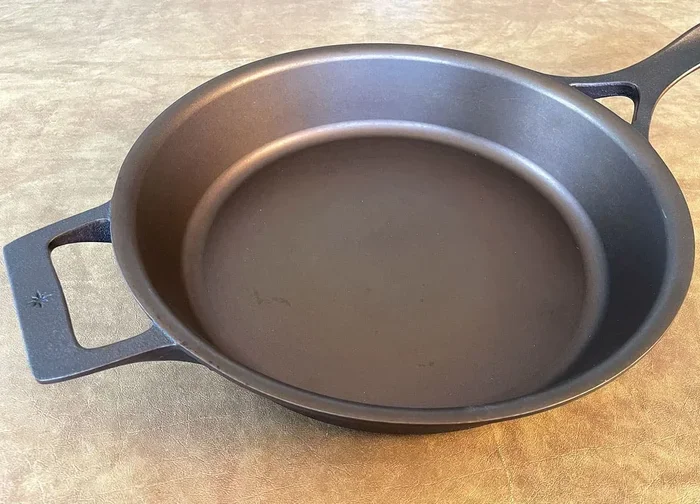
Cast iron skillets are the champions of oven-safe cookware. They are heavy, durable, and can handle extremely high temperatures. A standard cast iron skillet can go from your stovetop straight into a preheated oven at 500°F or higher without any issues at all.
Here is why cast iron is so great for oven use:
- Even heat distribution: Cast iron holds heat evenly, which makes it perfect for finishing dishes in the oven.
- No coatings to worry about: There is no non-stick coating that can break down at high temperatures.
- Broiler safe: Most cast iron skillets can handle the intense heat of a broiler.
- Long-lasting: A cast iron skillet can last for decades with proper care.
The only thing to watch out for is the weight. Cast iron skillets are heavy, so use oven mitts when removing them from the oven. Also, be careful with the handle, which gets just as hot as the pan itself.
Stainless Steel Skillets
Stainless steel skillets are another excellent choice for oven use. Most high-quality stainless steel pans are oven-safe up to 500-600°F. They are lightweight compared to cast iron and offer great heat conductivity, especially when they have an aluminum or copper core.
When using a stainless steel skillet in the oven, keep these tips in mind:
- Check if the handle is fully metal or has a heat-resistant component.
- Avoid sudden temperature changes, which can cause warping over time.
- Do not use the broiler unless the manufacturer confirms it is broiler-safe.
Non-Stick Skillets
Non-stick skillets are popular for everyday cooking, but they have strict limits when it comes to oven use. Most non-stick coatings begin to degrade at temperatures above 450-500°F. Some lower-quality non-stick pans can only handle up to 350°F.
Here is what you need to know about non-stick skillets and ovens:
- Always check the label: The manufacturer will usually state the maximum oven temperature on the packaging or in the manual.
- Avoid broilers: The direct, intense heat from a broiler can quickly damage non-stick coatings.
- Use lower temperatures: If your recipe requires high oven heat, consider using a different skillet instead.
- Replace when worn: Scratched or peeling non-stick coatings can release harmful chemicals when heated, even at lower temperatures.
Using a non-stick skillet in a hot oven is one of the most common mistakes home cooks make. It is easy to forget that the coating has limits, especially when the pan works perfectly fine on the stovetop.
Ceramic and Ceramic-Coated Skillets
Ceramic skillets have become increasingly popular in recent years. Pure ceramic skillets are generally oven-safe and can handle high temperatures. However, ceramic-coated skillets (which have a ceramic layer over a metal base) may have lower temperature limits.
Always read the manufacturer’s instructions for ceramic-coated pans. Some can handle up to 450°F, while others are only safe up to 350°F. When in doubt, keep the pan on the stovetop.
Aluminum Skillets
Aluminum skillets heat up quickly and respond well to temperature changes. They are generally oven-safe, but there is a catch. Pure aluminum can warp at very high temperatures, especially on larger pans. Anodized aluminum is more durable and handles oven heat better than regular aluminum.
If you use an aluminum skillet in the oven, avoid placing it under the broiler or at temperatures above 500°F. Warping not only affects cooking performance but can also make the pan unstable on the stovetop or in the oven.
How to Check if Your Skillet Can Handle the Heat
Before you place any skillet in the oven, take a moment to verify that it is safe to do so. This simple habit can save you from ruined cookware and potential safety hazards.
Check the Manufacturer’s Guidelines
The easiest and most reliable way to determine oven safety is to check the manufacturer’s guidelines. Look for an oven-safe symbol on the bottom of the skillet or on the packaging. This symbol usually looks like an oven with a number indicating the maximum temperature.
If you no longer have the packaging or manual, try these alternatives:
- Visit the manufacturer’s website and search for the product model.
- Call the manufacturer’s customer service line and ask directly.
- Check online reviews or product descriptions that mention oven use.
Look for Oven-Safe Symbols
Most cookware brands use a standard set of symbols to indicate oven safety. Here are the most common ones you might see:
- Oven icon with a temperature number: This means the skillet is safe up to that specific temperature.
- Oven icon without a number: This usually means the skillet is oven-safe at standard cooking temperatures (up to 350-400°F).
- Skull and crossbones or a red X over an oven: This means the skillet is NOT oven-safe.
If you cannot find any symbol, it is always better to err on the side of caution and keep the skillet off the heat.
Test the Handle Material
A simple test can help you determine if your skillet handle is oven-safe. Look closely at the handle material. If it is made entirely of metal, it is almost certainly oven-safe. If it has any plastic, silicone, rubber, or wood components, check the temperature rating before using it in the oven.
One quick trick is to run your hand along the handle after using the skillet on the stovetop at medium heat. If the handle is already uncomfortably warm, it is not designed for prolonged oven use. Oven-safe handles should remain cool or only slightly warm even at high temperatures.
When in Doubt, Keep It on the Stovetop
If you cannot find any information about your skillet’s oven safety, the best rule is to keep it on the stovetop. Using a skillet that is not oven-safe can damage the pan, ruin your food, and in some cases release harmful fumes. There is no reason to take that risk.
Common Mistakes People Make with Skillets in the Oven
Even experienced cooks sometimes make mistakes when using skillets in the oven. Learning what to avoid can help you protect your cookware and cook more safely.
Using a Non-Stick Pan at High Temperatures
This is the number one mistake people make. Non-stick skillets are designed for low-to-medium heat cooking on the stovetop. When you put them in a hot oven, the coating begins to break down. This not only ruins the pan but can also release toxic fumes that are harmful to your health.
Always check the maximum oven temperature before using a non-stick skillet in the oven. If your recipe requires temperatures above 450°F, reach for a cast iron or stainless steel skillet instead.
Ignoring the Handle Type
It is easy to focus on the pan body and forget about the handle. But a skillet with a plastic or silicone handle is not oven-safe, no matter what the pan body is made of. The handle will melt, warp, or even release harmful chemicals when exposed to high heat.
Always inspect the entire skillet, including the handle and any knobs or rivets, before placing it in the oven.
Skipping the Preheat Step
Some skillets, especially cast iron, need time to adjust to temperature changes. Placing a cold skillet into a hot oven can cause thermal shock, which may lead to warping or cracking. Always preheat the oven first and then place the skillet inside, or let the skillet come to room temperature before putting it in the oven.
Using the Wrong Lid
If your skillet comes with a lid, do not assume it is oven-safe. Glass lids can shatter under high heat, and wooden knobs can burn or crack. If you need to cover your skillet while it is in the oven, use a lid that is specifically labeled as oven-safe or cover the pan tightly with aluminum foil instead.
Best Skillets for Oven Use
If you are shopping for a new skillet and want one that works beautifully in the oven, here are some top recommendations.
Lodge Cast Iron Skillet
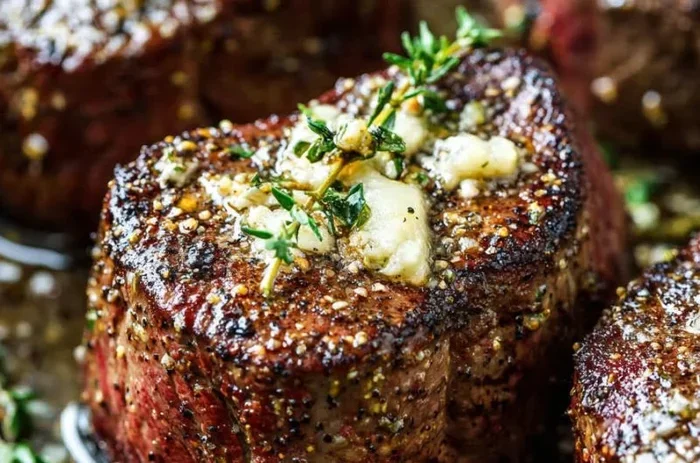
The Lodge cast iron skillet is a favorite among home cooks and professional chefs alike. It is oven-safe up to 500°F, pre-seasoned right out of the box, and built to last a lifetime. Whether you are searing steak on the stovetop and finishing it in the oven or baking cornbread, this skillet delivers outstanding results every time.
All-Clad Stainless Steel Skillet
The All-Clad stainless steel skillet offers excellent heat conductivity and is oven-safe up to 600°F. The fully bonded, three-ply construction ensures even heating, and the stainless steel body is non-reactive, making it safe for all types of food. It is a premium option that will serve you well for many years.
Victoria Cast Iron Skillet
The Victoria cast iron skillet is a great budget-friendly option for oven cooking. It is pre-seasoned, oven-safe up to 500°F, and built with a smooth cooking surface that improves with each use. It is a solid choice for anyone who wants the benefits of cast iron without the premium price tag.
Scanpan Titanium Pro Skillet
For those who prefer non-stick cookware, the Scanpan Titanium Pro skillet is one of the few non-stick pans that is genuinely oven-safe. It uses a titanium-reinforced coating that can handle temperatures up to 500°F, which is higher than most non-stick pans. It is not a perfect solution for all high-heat cooking, but it is a great option for oven-to-stovetop recipes.
Expert Tips for Using Skillets in the Oven
Getting the most out of your oven-safe skillet is about more than just tossing it in the oven. These expert tips will help you cook better and protect your cookware at the same time.
Always Preheat the Oven First
Never place a skillet into a cold oven and then turn on the heat. Sudden temperature changes can damage the pan, especially cast iron and non-stick coatings. Always preheat the oven to the desired temperature first, then place the skillet inside once the oven has reached the right heat.
Use Oven Mitts Every Time
This may sound obvious, but it is worth repeating. Oven-safe skillets get just as hot as the oven itself, and the handle can burn your hands even if it is made of metal. Always use thick, heat-resistant oven mitts when handling a skillet that has been in the oven.
Let the Skillet Cool Before Washing
Never plunge a hot skillet into cold water. The sudden temperature change can cause warping, especially with aluminum and stainless steel pans. Let the skillet cool down to room temperature before washing it with warm water and mild soap.
Season Your Cast Iron After Every Few Uses
If you use a cast iron skillet in the oven regularly, it is a good idea to re-season it every few uses. A thin layer of oil applied to the cooking surface and baked in the oven at 400°F for one hour helps maintain the seasoning and keeps the pan performing at its best.
Avoid Abrasive Cleaners on Non-Stick Surfaces
If your non-stick skillet is oven-safe and you use it in the oven, be gentle when cleaning it. Avoid steel wool, abrasive scouring pads, and harsh chemical cleaners. These can scratch and damage the non-stick coating, reducing its effectiveness and shortening its lifespan.
Know Your Oven’s Hot Spots
Most ovens have hot spots where the heat is more intense. If you are using a skillet in the oven for baking or finishing a dish, rotate the pan halfway through cooking to ensure even results. This simple step can make a big difference in the quality of your food.
Conclusion
The answer to “can all skillets go in the oven” is a clear no. Not every skillet is designed to handle the heat, and using the wrong one can damage your cookware, ruin your food, or even create safety risks. Cast iron and stainless steel skillets are your best friends for oven cooking, while non-stick and ceramic-coated pans have strict temperature limits you must respect.
Always check the manufacturer’s guidelines before putting any skillet in the oven. Pay attention to the material, the handle type, and any temperature ratings. When in doubt, keep the skillet on the stovetop where it belongs.
By following the tips and guidelines in this article, you can cook with confidence knowing that your skillet is safe for the oven. The right skillet in the right oven opens up a world of cooking possibilities, from one-pan meals to perfectly seared and finished dishes. Take care of your cookware, use it correctly, and it will serve you well for many years to come.
Now that you know which skillets can go in the oven, you are ready to tackle any recipe that calls for stovetop-to-oven cooking. Grab the right pan, preheat the oven, and enjoy the delicious results that follow.
Frequently Asked Questions
Can a non-stick skillet go in the oven?
Some non-stick skillets are oven-safe, but only at lower temperatures. Most non-stick coatings begin to break down above 450°F. Always check the manufacturer’s guidelines to confirm the maximum oven temperature before using a non-stick skillet in the oven.
What temperature can a cast iron skillet handle in the oven?
Cast iron skillets are incredibly heat-resistant and can typically handle oven temperatures up to 500°F or higher. They are safe for use under the broiler as well, making them one of the most versatile options for oven cooking.
How can I tell if my skillet is oven-safe?
Look for an oven-safe symbol on the bottom of the skillet or check the manufacturer’s guidelines. The symbol usually looks like an oven with a temperature number. If you cannot find any information, contact the manufacturer directly for confirmation.
Can a skillet with a plastic handle go in the oven?
No. Skillets with plastic handles are not oven-safe because the plastic will melt or release harmful chemicals at high temperatures. Always check the handle material before placing any skillet in the oven.
Is it safe to put a cold skillet in a hot oven?
It is generally not recommended. Sudden temperature changes can cause warping or cracking, especially with aluminum and non-stick pans. Always preheat the oven first and let the skillet come to room temperature before placing it inside.
Can I use a skillet lid in the oven?
It depends on the lid material. Glass lids can shatter under high heat, and wooden knobs can burn. Only use a lid in the oven if it is specifically labeled as oven-safe, or cover the skillet with aluminum foil instead.