Why Did My Oven Catch On Fire And How To Prevent It
A oven fire can happen to anyone, and understanding the oven fire causes is the first step toward prevention. Grease buildup, electrical malfunctions, and unattended cooking are the top reasons an oven fire starts. This guide walks you through every common cause, practical prevention tips, and what to do if flames appear inside your oven.
Imagine walking into your kitchen and smelling something burning. You open the oven door and see flames licking the walls inside. A oven fire is every homeowner’s nightmare. It happens fast, it spreads fast, and it can cause serious damage to your home and kitchen.
But here is the good news. Most oven fire causes are completely preventable. You do not need to be a professional electrician or a fire safety expert. With a little knowledge and some simple habits, you can keep your oven safe and your kitchen protected.
This guide covers everything you need to know. We will explore the common causes of oven fires, share practical prevention tips, and explain exactly what to do if flames ever appear inside your oven. Whether you use a gas oven or an electric oven, this article has you covered.
Let us get started. Your kitchen safety depends on it.
Key Takeaways
- Grease and food spills are the #1 cause: Built-up grease inside your oven can ignite at high temperatures, leading to a dangerous oven fire.
- Never leave your oven unattended: Walking away while cooking is one of the most common reasons ovens catch fire.
- Regular oven cleaning prevents fires: Keeping your oven free of debris and grease significantly reduces fire risk.
- Know how to respond safely: Keeping the door closed and turning off the heat can smother a small oven fire.
- Electrical issues need professional attention: Faulty wiring or malfunctioning thermostats can spark an electrical oven fire.
- Prevention is simple and effective: Following basic oven safety tips can protect your home and family.
📑 Table of Contents
Common Causes of Oven Fires
Understanding why an oven catches fire is the best way to stop it from happening. Most oven fire causes come down to a few simple mistakes. Let us break them down one by one.
Grease and Food Spills
This is the number one reason ovens catch fire. When you cook, grease and food bits drip to the bottom of the oven. Over time, they build up into a thick, sticky layer. At high temperatures, this grease can ignite almost instantly.
Think about it. You roast a chicken. Grease drips down. You bake a pizza. Cheese and sauce spill over. You broil some burgers. Fat splatters everywhere. Each time, a little more residue builds up on the oven floor and on the walls.
One day, you set the temperature to 450 degrees Fahrenheit. That built-up grease gets hot enough to catch fire. It happens in seconds. And because the oven is a closed space, the flames grow quickly.
Grease fire in oven incidents are extremely common. They account for a large percentage of all kitchen fires every year. The good news is that regular oven cleaning can eliminate this risk almost entirely.
Electrical Malfunctions
Electric ovens rely on heating elements, thermostats, and wiring to work properly. When any of these parts fail, it can create a spark. That spark can ignite nearby grease, food debris, or plastic parts inside the oven.
Common electrical problems include:
- Faulty heating elements that spark or glow unevenly
- Damaged wiring behind or inside the oven
- A broken thermostat that causes the oven to overheat
- Short circuits in the control panel
These issues are not always visible from the outside. That is why regular oven maintenance matters. If your oven sparks, makes unusual noises, or heats unevenly, get it checked by a professional right away.
Overheating and Leaving the Oven Unattended
One of the biggest mistakes people make is walking away from a hot oven. Maybe you set a timer and forget about it. Maybe you get distracted by a phone call or a child needing attention. Whatever the reason, leaving an oven unattended is a major fire hazard.
When food is left cooking too long, it can dry out, smoke, and eventually ignite. This is especially true for foods high in fat or oil. Overheating oven situations also happen when the thermostat fails and the temperature keeps climbing beyond what you set.
The rule is simple. Never leave a hot oven completely unattended. If you must step away, set multiple timers and check back frequently.
Improper Use of the Self-Cleaning Feature
Many modern ovens come with a self-cleaning oven function. While convenient, this feature can actually increase the risk of an oven fire. The self-cleaning cycle heats the oven to extremely high temperatures, sometimes over 900 degrees Fahrenheit.
At these temperatures, any remaining grease or food residue can flare up. Some ovens have even been known to catch fire during the self-cleaning cycle. This does not mean you should never use the feature. It means you need to be cautious.
Before running a self-clean cycle, remove large pieces of food debris by hand. Wipe down the oven interior with a damp cloth. This reduces the amount of fuel available for a potential fire.
Plastics, Paper, and Foreign Objects
It sounds obvious, but people put all sorts of things in their ovens that do not belong there. A piece of parchment paper can catch fire if it touches the heating element. A plastic container will melt and ignite. Aluminum foil crumpled too close to a heating element can spark.
Always make sure nothing flammable is inside your oven before you turn it on. This includes:
- Paper towels or paper bags
- Plastic containers or wrap
- Aluminum foil placed too close to elements
- Oven mitts or cloths left inside
Signs Your Oven Might Be at Risk
Most ovens give warning signs before a fire starts. Learning to recognize these signs can help you take action before things get dangerous.
Unusual Smells or Smoke
If your oven starts smelling like burning plastic or burning grease before you even turn it on, pay attention. This could mean there is grease buildup that is about to ignite. It could also mean there is an electrical problem with the wiring or components inside.
Do not ignore strange smells. Open a window, turn off the oven, and investigate the source.
Visible Grease Buildup
Take a look inside your oven. Can you see dark, greasy residue on the walls, the floor, or around the heating elements? If yes, you have a fire hazard. Grease buildup in oven is one of the leading causes of kitchen fire hazards. Clean it up before it becomes a problem.
Unusual Noises
A healthy oven should run quietly. If you hear popping, crackling, sizzling, or buzzing sounds, something is wrong. Popping sounds could mean grease is dripping onto hot surfaces. Buzzing sounds might indicate an electrical issue. Do not wait for these noises to go away on their own.
Inconsistent Heating
If your oven heats unevenly or cannot hold a steady temperature, the thermostat may be failing. A broken thermostat can cause the oven to overheat, which increases the risk of fire. Have a technician inspect the oven if you notice temperature problems.
How to Prevent an Oven Fire
Prevention is always better than dealing with a fire after it happens. Here are practical steps you can take right now to protect your kitchen.
Clean Your Oven Regularly
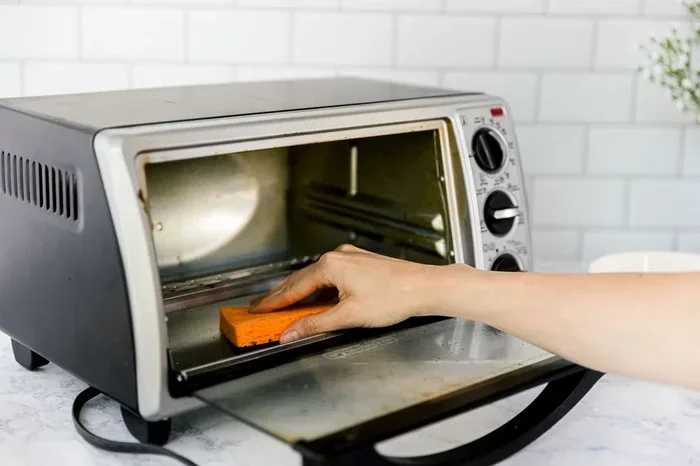
This is the single most important thing you can do. A clean oven is a safe oven. Remove grease, food spills, and debris after every use. Do a deep clean at least once a month.
Use oven-safe cleaning products. Avoid spraying cleaner directly on the heating elements. Wipe the interior walls, the floor, and the area around the door seal. Pay special attention to the bottom of the oven where grease tends to accumulate the most.
Never Leave the Oven Unattended
Set a timer every time you use the oven. Stay in the kitchen or nearby so you can respond quickly if something goes wrong. This is especially important when broiling or frying at high temperatures.
If you are baking something that takes a long time, check on it periodically. Do not rely solely on the oven timer. Your own attention is the best safety tool you have.
Use the Right Cookware
Not all cookware is safe for oven use. Make sure your pots, pans, and baking dishes are rated for the temperatures you are using. Avoid using plastic handles or covers that can melt. Use baking sheets and pans that are the right size for your oven to prevent spills.
Keep the Oven Door Closed During a Fire
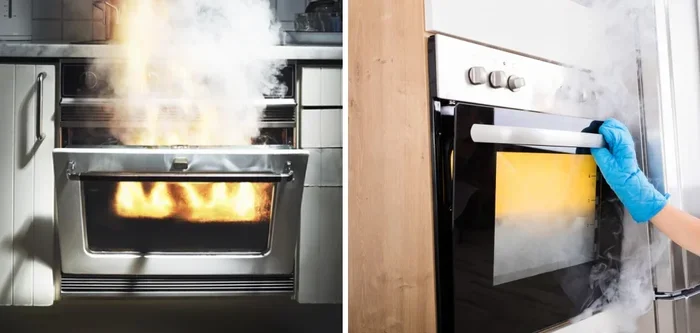
If flames do appear inside your oven, keep the door closed. Opening the door feeds oxygen to the fire and can make it worse. Turn off the oven and let the flames smother themselves. Most small oven fires will go out if you cut off the heat and close the door.
Install Smoke Detectors and Fire Extinguishers
Every kitchen should have a working smoke detector within a few feet of the oven. Test it monthly and replace the batteries twice a year. Keep a kitchen fire extinguisher nearby and make sure everyone in your household knows how to use it.
A Class B or Class K fire extinguisher is ideal for grease and cooking fires. Make sure it is easily accessible and not buried behind heavy items in a cabinet.
Follow Manufacturer Guidelines
Read the owner manual for your oven. Every model has specific safety instructions and maximum temperature limits. Follow them. Do not use your oven in ways the manufacturer did not intend. This includes using it to heat your home or drying items inside it.
Schedule Professional Maintenance
Just like your car needs regular servicing, your oven benefits from professional check-ups. A qualified technician can spot electrical problems, worn-out parts, and other issues before they turn into a fire hazard. Schedule a maintenance check at least once a year.
What to Do If Your Oven Catches Fire
Despite your best efforts, a fire can still happen. Knowing what to do in that moment can make all the difference.
Step 1: Stay Calm and Do Not Panic
Panic leads to bad decisions. Take a deep breath and act quickly but calmly. Your priority is safety.
Step 2: Turn Off the Oven
Hit the off button or turn the dial to zero. This cuts the heat source and can stop the fire from growing. Do not unplug the oven if there are flames near the electrical outlet. That could create a shock hazard.
Step 3: Keep the Door Closed
Closing the door limits the oxygen supply to the fire. Do not open it to check on the flames. Let the oven smother the fire on its own.
Step 4: Evacuate if Necessary
If the fire does not go out within a minute or two, or if smoke is spreading into the kitchen, get everyone out of the house. Call 911 immediately. Do not try to fight a large fire on your own.
Step 5: Use a Fire Extinguisher Only If Safe
If the fire is small and contained, and you have a Class B or Class K fire extinguisher, you can attempt to put it out. Aim at the base of the flames, not the top. Stand back and use short bursts.
Never use water on a grease fire. Water will cause the flames to explode and spread rapidly. This is one of the most important kitchen fire safety rules to remember.
When to Call a Professional
After any oven fire, even a small one, you should have the oven inspected by a professional. Flames can damage internal components that are not visible from the outside. Electrical wiring may be compromised. The thermostat may not work correctly anymore.
Do not use the oven again until it has been checked and cleared by a qualified technician. Using a damaged oven is a serious safety risk. In some cases, it may be safer to replace the oven entirely rather than repair it.
If the fire spread beyond the oven and caused damage to your kitchen, contact your insurance company right away. Document the damage with photos and keep all repair receipts.
Final Thoughts
A oven fire is scary, but it does not have to be inevitable. Most oven fire causes are preventable with simple, consistent habits. Clean your oven regularly. Never leave it unattended. Watch for warning signs. Keep a fire extinguisher handy.
Taking these steps seriously can protect your home, your family, and yourself from the devastating effects of a kitchen fire. Safety is not complicated. It is about making smart choices every day.
Start today. Open your oven right now and take a look inside. If you see grease or food buildup, clean it up. That small action could prevent a major disaster tomorrow. Your future self will thank you for it.
Share this guide with friends and family. The more people know about oven fire prevention, the safer every kitchen becomes. Prevention starts with awareness, and awareness starts with sharing knowledge.
Frequently Asked Questions
Can a self-cleaning oven catch on fire?
Yes, a self-cleaning oven can catch fire during the cleaning cycle. The extreme heat used in self-cleaning can cause built-up grease and food residue to ignite. To reduce this risk, remove large debris by hand before starting the cycle and never leave the oven unattended during self-cleaning.
What should I do if I see smoke coming from my oven?
If you see smoke, turn off the oven immediately and keep the door closed. Open windows to ventilate the kitchen. Check for grease buildup or food debris on the oven floor. Do not open the door fully, as this can feed oxygen to any flames and make the situation worse.
Is it safe to use an oven that has had a fire before?
No, you should not use an oven that has had a fire until it has been inspected by a qualified technician. Internal components, wiring, and the thermostat may be damaged. Using a compromised oven poses a serious safety risk of reigniting a fire.
What type of fire extinguisher should I have in my kitchen?
A Class B or Class K fire extinguisher is best for kitchen fires, especially grease fires. Class B extinguishers work on flammable liquids like cooking oil, while Class K extinguishers are specifically designed for commercial and residential cooking fires. Keep it within easy reach of the oven.
How often should I clean my oven to prevent fires?
You should wipe down the interior of your oven after every use to prevent grease buildup. A deep clean, including removing all residue from the walls, floor, and heating elements, should be done at least once a month. More frequent cleaning is needed if you cook greasy or high-fat foods regularly.
Can leaving aluminum foil in the oven cause a fire?
Yes, aluminum foil can cause a fire if it is placed too close to the heating elements or crumpled in a way that creates sparks. Foil can also reflect heat unevenly, causing hot spots that may ignite nearby food or grease. Always place foil on the oven racks and keep it away from the heating elements.
=== CONCLUSION ===
A oven fire is a serious threat that no household should take lightly. The oven fire causes we covered in this article are common, but they are also highly preventable. From grease buildup and electrical malfunctions to simple human errors like leaving the oven unattended, the roots of most oven fires are within your control.
By following the oven safety tips and prevention strategies shared here, you can dramatically reduce the risk of a fire in your kitchen. Regular oven cleaning, proper use of cookware, attentive cooking habits, and having the right safety equipment on hand are your best defenses.
Remember, the goal is not to fear your oven. The goal is to respect it and use it wisely. A little knowledge and a few smart habits go a long way in keeping your home and family safe. Start implementing these tips today, and enjoy peace of mind every time you turn on your oven.