Can I Use My Oven As A Slow Cooker Instead Right Now
Yes, you can use your oven as a slow cooker instead and get delicious, tender results every time. Oven slow cooking works by maintaining a low temperature between 200°F and 325°F for several hours. This method gives you more control over cooking temperature and allows you to cook larger batches than a traditional slow cooker. Whether you are making stews, roasts, or casseroles, your oven can easily replace a crock pot substitute with just a few simple adjustments.
Many home cooks wonder whether they can use their oven as a slow cooker instead of pulling out that bulky countertop appliance. The answer is a confident yes. Oven slow cooking has been around for decades and produces incredible results that rival or even beat what you get from a traditional slow cooker.
Maybe your slow cooker is broken. Maybe you are cooking for a big family and need more capacity. Or perhaps you just want the low and slow cooking benefits without taking up precious counter space. Whatever the reason, your oven can step in beautifully as a crock pot substitute.
The beauty of using your oven for slow cooking lies in the even heat distribution it provides. Unlike a slow cooker that heats from the bottom and sides, an oven surrounds your food with consistent warmth from every direction. This creates beautifully tender meats and deeply flavored dishes that will impress everyone at the table.
In this guide, we will walk you through everything you need to know about oven slow cooking. You will learn the right temperatures, which dishes work best, and how to avoid common mistakes. By the end, you will feel confident enough to ditch the slow cooker and let your oven do the heavy lifting.
Key Takeaways
- Oven slow cooking is a proven alternative to using a slow cooker with similar tender results.
- Set your oven between 200°F and 325°F for the best low-and-slow cooking experience.
- Dutch ovens and oven-safe casseroles work perfectly for oven-based slow cooking.
- You get better browning and searing capabilities in an oven compared to a standard slow cooker.
- Energy efficiency can be better with an oven for long cooks, depending on your dish size.
- Timing is flexible with oven slow cooking, giving you more control over your meal prep.
📑 Table of Contents
- What Is Oven Slow Cooking and How Does It Work?
- What Temperature to Use When Slow Cooking in the Oven
- Best Dishes to Cook in the Oven Instead of a Slow Cooker
- How to Convert Slow Cooker Recipes for Oven Use
- Common Mistakes to Avoid When Slow Cooking in the Oven
- Expert Tips for Perfect Oven Slow Cooking Every Time
- Energy Efficiency: Oven vs. Slow Cooker
- Conclusion
What Is Oven Slow Cooking and How Does It Work?
Oven slow cooking is simply using your oven at a low temperature to cook food over an extended period. The idea is to mimic what a slow cooker does but with more control and often better results. Instead of running on high or low settings, you set your oven to a specific temperature and let time do the work.
The science behind it is straightforward. When you cook food at a low temperature for a long time, the collagen in tough cuts of meat breaks down slowly. This turns chewy, affordable cuts into melt-in-your-mouth tender dishes. The low and slow cooking process also allows flavors to develop deeply and meld together beautifully.
Why Choose Your Oven Over a Slow Cooker?
There are several reasons why oven slow cooking might be the better choice for you. First, ovens give you precise temperature control. You can set the exact degree you want and trust that it will hold steady throughout the cook.
Second, ovens allow you to sear and brown your food before the slow cook phase. This adds a layer of flavor that a slow cooker simply cannot achieve. You get a beautiful golden crust on your roast or stew meat that makes the dish look and taste restaurant-quality.
Third, ovens can handle larger quantities of food. A standard slow cooker usually maxes out at 6 to 8 quarts. Your oven can easily fit a 12-pound roast or a large family-sized casserole. This makes oven slow cooking ideal for weekend meal prep and holiday gatherings.
Best Oven-Safe Cookware for Slow Cooking
Not every pot and pan belongs in the oven for a long cook. You need oven-safe cookware that can handle low temperatures for hours without cracking or leaching chemicals. Here are the best options:
- Enameled Dutch ovens – These are the gold standard for oven slow cooking. They retain heat evenly and look beautiful on the table.
- Cast iron Dutch ovens – Excellent heat retention and distribution. Just make sure it is enameled if you want to avoid seasoning issues.
- Ceramic casserole dishes – Great for stews, lasagnas, and baked pasta dishes that need slow cooking time in the oven.
- Glass baking dishes – Good for smaller portions. They let you monitor the cooking progress easily.
- Stainless steel roasting pans – Durable and great for roasting large cuts of meat with vegetables.
Avoid using plastic-handled pots or non-stick pans not rated for oven use. Always check the manufacturer’s maximum oven-safe temperature before placing any dish in the oven for a long cook.
What Temperature to Use When Slow Cooking in the Oven
Getting the temperature right is the most important part of oven slow cooking. Too hot and your food will dry out or overcook. Too low and it will take forever to reach a safe internal temperature.
The sweet spot for most slow cooking recipes in the oven is between 200°F and 325°F. Here is a simple guide to help you choose:
| Oven Temperature | Best For | Approximate Cook Time |
|---|---|---|
| 200°F – 250°F | Very tough cuts, overnight cooks, pulled pork | 8 – 12 hours |
| 275°F – 300°F | Beef roasts, lamb shanks, chicken thighs | 4 – 8 hours |
| 300°F – 325°F | Pork shoulders, whole chickens, large casseroles | 3 – 6 hours |
Low Setting Equivalent
Most slow cookers operate on a low setting around 190°F to 200°F. To replicate this in your oven, set it to 200°F to 225°F. This is perfect for dishes that need 8 or more hours of gentle cooking. Think of it as your set it and forget it oven mode.
High Setting Equivalent
If you need to speed things up, set your oven to 300°F to 325°F. This works well for cuts that are not as tough and for dishes where you want to save time. The food will still cook low and slow compared to roasting at 375°F or higher.
Always use an oven-safe meat thermometer to check internal temperatures. This ensures your food reaches a safe temperature without overcooking. For most meats, an internal temperature of 190°F to 205°F signals perfect tenderness.
Best Dishes to Cook in the Oven Instead of a Slow Cooker
Not every slow cooker recipe translates perfectly to oven cooking. Some dishes shine in the oven, while others are better left to the countertop appliance. Here are the best candidates for oven slow cooking:
Braises and Stews
Braises are the poster child for oven slow cooking. Dishes like beef bourguignon, coq au vin, and classic beef stew benefit enormously from the even, surrounding heat of an oven. The meat becomes fork-tender, and the sauce develops a rich, deep flavor that is hard to beat.
When making a braise in the oven, sear the meat first on the stovetop. Then transfer everything to a Dutch oven, add your liquids, and put it in the oven at 300°F for 3 to 4 hours. The result is a dish with layers of flavor that a slow cooker simply cannot match.
Whole Roasted Chicken
A whole roasted chicken at low temperature is one of the most rewarding things you can make in the oven. Set your oven to 275°F and cook for about 4 to 5 hours. The chicken comes out incredibly juicy with crispy golden skin.
For an even more hands-off approach, try cooking a whole chicken at 250°F for 6 to 7 hours. This is a true low and slow cooking method that produces the most tender, fall-off-the-bone meat. Serve it with crispy oven fries for a complete family dinner.
Pork Shoulder and Beef Brisket
These tough, affordable cuts are perfect candidates for oven slow cooking. A pork shoulder cooked at 225°F for 10 to 12 hours will give you the most tender pulled pork imaginable. A beef brisket at 250°F for 8 to 10 hours will have a beautiful bark and juicy interior.
The oven allows you to monitor and adjust the temperature more easily than a slow cooker. If the liquid is reducing too much, you can add more. If the top is browning too fast, you can cover it with foil. These small adjustments make a big difference.
Lasagnas and Baked Casseroles
Lasagnas and baked pasta dishes are natural fits for oven slow cooking. A low-temperature bake at 300°F for 2 to 3 hours lets the flavors meld together beautifully. The cheese melts perfectly, and the pasta absorbs all those wonderful sauce flavors.
Try a slow-cooked lasagna with a 300°F oven for 2.5 hours. Cover it with foil for the first hour, then uncover for the remaining time to get that perfect golden bubbly top. It is a game-changer for make-ahead meals and dinner parties.
How to Convert Slow Cooker Recipes for Oven Use
Converting a slow cooker recipe to oven cooking is easier than you think. The key is understanding the relationship between time, temperature, and moisture. Follow these guidelines to make the switch successfully.
Step-by-Step Conversion Guide
- Lower the temperature – Set your oven 20 to 50 degrees lower than what you think you need. Oven slow cooking works best at lower temperatures for longer periods.
- Add a little extra liquid – Ovens tend to evaporate moisture more than sealed slow cookers. Add an extra 1/2 to 1 cup of broth, water, or sauce to keep things moist.
- Cover your dish – Use a tight-fitting lid or aluminum foil to trap moisture. This mimics the sealed environment of a slow cooker.
- Check periodically – Unlike a slow cooker where you can just walk away, oven cooking benefits from a quick check every couple of hours.
- Use a timer – Set a timer so you do not forget about your dish. Oven slow cooking times can vary based on your specific oven and the size of your dish.
General Conversion Rules
As a general rule, 1 hour on high in a slow cooker equals about 2 to 3 hours in the oven at 250°F. And 1 hour on low equals about 3 to 4 hours in the oven at 200°F to 225°F. These are starting points, and you may need to adjust based on your specific oven and recipe.
Remember that every oven is different. Some ovens run hot, and some run cold. An oven thermometer placed inside your oven can help you understand your oven’s true temperature. This small investment pays off enormously in consistent cooking results.
Common Mistakes to Avoid When Slow Cooking in the Oven
Even though oven slow cooking is straightforward, there are a few mistakes that can ruin your dish. Learning what not to do is just as important as knowing what to do.
Opening the Oven Door Too Often
Every time you open the oven door, you lose heat and extend the cooking time. Resist the urge to peek too frequently. Check your food only when the recipe suggests, or use the oven light to monitor progress without losing heat.
Using the Wrong Size Dish
A dish that is too large will spread the food out too thin, causing it to dry out. A dish that is too small will overflow and make a mess. Choose a properly sized oven-safe dish that fits your food snugly with a little room for expansion.
Skipping the Sear
While a slow cooker does not need you to sear your meat first, the oven does. Searing adds flavor through the Maillard reaction, creating a rich brown crust that enhances the entire dish. Do not skip this step if you want the best results.
Not Adding Enough Liquid
Ovens are not sealed environments. Moisture escapes over time, especially during long cooks. Always err on the side of adding a little extra liquid. Your dish should have at least one-third to one-half of its volume in liquid for the best results.
Ignoring Your Oven Hot Spots
Most ovens have hot spots where the heat is stronger. To avoid uneven cooking, rotate your dish halfway through the cook time. This simple step ensures that your food cooks evenly on all sides.
Expert Tips for Perfect Oven Slow Cooking Every Time
Getting the most out of your oven slow cooking experience comes down to a few expert-level tips. These small details make a huge difference in the final result.
Preheat Your Oven
Always preheat your oven before placing your dish inside. This ensures that your food starts cooking at the right temperature from the very beginning. A preheated oven also helps achieve better browning on the outside of your meat.
Use a Meat Thermometer
A reliable meat thermometer is your best friend for oven slow cooking. It takes the guesswork out of determining doneness. Insert the probe into the thickest part of the meat, avoiding bone, and check the temperature periodically.
For example, if you are making chicken kebabs in the oven, you would want the internal temperature to reach 165°F. Similarly, chicken kebabs benefit from proper temperature monitoring to stay juicy and fully cooked.
Let Your Food Rest
After removing your dish from the oven, let it rest for 15 to 30 minutes before serving. This allows the juices to redistribute throughout the meat, making it more flavorful and tender. Resting is not optional if you want the best results.
Layer Flavors Thoughtfully
Because oven slow cooking develops flavors over time, layering ingredients matters more than ever. Add aromatic vegetables like onions, garlic, and carrots at the bottom of your dish. Place your protein on top, and pour your sauce or broth over everything. The layers create a depth of flavor that is truly impressive.
Clean Up Made Easy
One underrated benefit of oven slow cooking is that it can be easier to clean up. When you use a Dutch oven or ceramic dish, most of the cooking happens in one vessel. Line the bottom with parchment paper for even easier cleanup, and always soak your dishes immediately after cooking.
Energy Efficiency: Oven vs. Slow Cooker
Many people wonder about the energy efficiency of oven slow cooking compared to using a slow cooker. The answer depends on several factors, including the length of cooking time and the size of your oven.
A slow cooker uses about 200 to 300 watts on low and 300 to 400 watts on high. An average oven uses about 2,000 to 2,500 watts. At first glance, the slow cooker wins on energy usage. However, if you are already using your oven for other purposes, adding a slow cook cycle does not increase your energy consumption much.
For energy-efficient cooking, consider using your oven during cooler months when you want a little extra warmth in the kitchen. In summer, a slow cooker or countertop appliance might be more practical since it does not heat up your kitchen.
If you are running a commercial kitchen or need large-scale slow cooking capacity, an electric pizza oven or similar commercial oven setup might be worth exploring for efficiency at scale.
Conclusion
Can I use my oven as a slow cooker instead? Absolutely. Oven slow cooking is a versatile, reliable, and often superior method for creating tender, flavorful dishes. With the right temperature settings, proper cookware, and a few simple techniques, you can replace your slow cooker and enjoy even better results.
The key takeaways are simple. Use low temperatures between 200°F and 325°F. Choose the right oven-safe cookware. Sear your meat first for maximum flavor. Add enough liquid to keep everything moist. And always let your food rest before serving.
Whether you are making a hearty stew, a whole roasted chicken, or a beautiful lasagna, your oven is ready to be your best slow cooking tool. Give it a try this weekend, and you might never go back to the slow cooker again.
Start with a simple recipe, follow the guidelines in this article, and build your confidence. Oven slow cooking opens up a world of delicious possibilities that will make your kitchen the heart of your home.
Frequently Asked Questions
Can any oven be used for slow cooking?
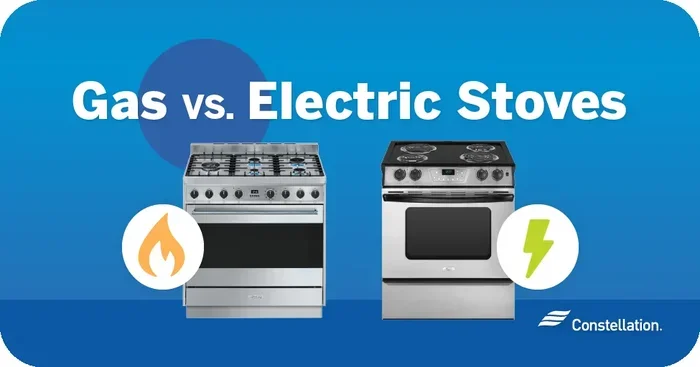
Yes, virtually any standard oven can be used for slow cooking. Whether you have a gas oven or an electric oven, you can set it to a low temperature and cook food slowly. The key is maintaining a consistent low temperature between 200°F and 325°F for the best results.
Is oven slow cooking the same as using a slow cooker?
Oven slow cooking achieves similar results to a slow cooker but with some differences. The oven provides more even heat distribution and allows for browning and searing before the slow cook phase. The end result is often more flavorful and better textured than what you get from a countertop slow cooker.
How long does it take to slow cook in the oven?
Oven slow cooking times vary depending on the temperature and the dish. At 200°F to 250°F, most dishes take 8 to 12 hours. At 275°F to 300°F, they typically take 4 to 8 hours. Always use a meat thermometer to check for doneness rather than relying solely on time.
Do I need special cookware for oven slow cooking?
You need oven-safe cookware that can handle low temperatures for extended periods. Enameled Dutch ovens, cast iron pots, and ceramic casserole dishes work best. Avoid plastic-handled or non-oven-safe pans, and always check the manufacturer’s temperature recommendations.
Can I leave my oven on overnight for slow cooking?
Yes, you can leave your oven on overnight for slow cooking. This is a common practice for dishes like pulled pork or pot roast that need 10 to 12 hours of gentle cooking. Make sure your oven is in good working condition and place it on a safe, heat-resistant surface away from flammable materials.
What is the best temperature for slow cooking in the oven?
The best temperature for oven slow cooking is between 200°F and 325°F. For most dishes, 250°F to 300°F is the sweet spot. This range allows food to cook slowly and evenly while breaking down tough fibers and developing deep, rich flavors. Use a thermometer to monitor your oven’s actual temperature for the most consistent results.
=== INTERNAL LINKS ===
For crispy sides, try How To Cook Frozen Fries In Air Fryer Oven alongside your slow-cooked meal.
For perfectly cooked poultry, check out How Long Do Chicken Kebabs Take In The Oven for timing guidance.
Explore professional-grade options at Electric Pizza Oven Commercial for serious cooking equipment.