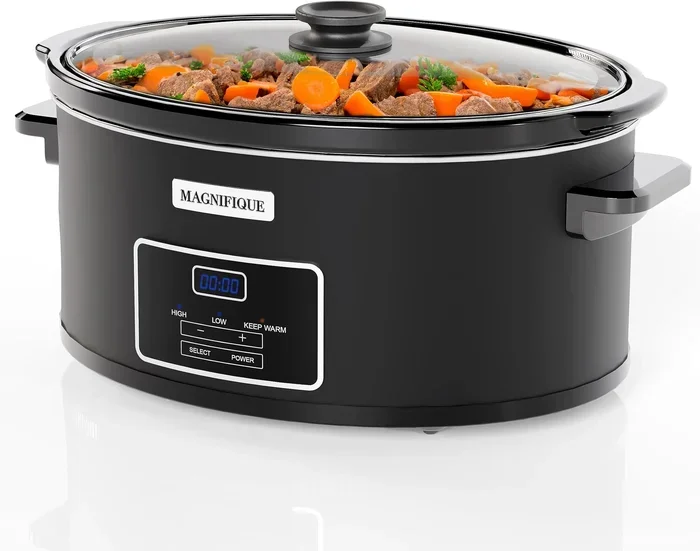
Can You Put A Slow Cooker Pot In The Oven Heres The Answer
Yes, you can put a slow cooker pot in the oven, but only if it is oven safe. Most ceramic and stoneware slow cooker inserts handle temperatures up to 400°F. Always check your manufacturer’s guidelines, avoid sudden temperature changes, and never place the heating element in the oven. Follow these rules and you can seamlessly switch between slow cooking and oven baking without any worries.
Have you ever finished a slow cooker recipe and thought, “This would taste amazing with a crispy top”? Or maybe you want to start a dish on the stove and finish it in the oven. The question can you put a slow cooker pot in the oven comes up more often than you might think.
The short answer is yes. But there are important rules you need to follow. Not every slow cooker pot is oven safe, and even the ones that are have limits. In this guide, we will walk you through everything you need to know. We will cover temperature limits, safety tips, and the best ways to use your slow cooker pot in the oven. By the end, you will feel confident and safe every time you make this switch.
Whether you love slow cooker recipes or you are just looking for more versatility from your kitchen tools, this article has you covered. Let us dive in and make sure you get this right.
Key Takeaways
- Oven Safe Is Key: Most ceramic and stoneware slow cooker pots are oven safe up to 400°F, but always verify with your manual.
- Never Oven the Base: The electric heating base of a slow cooker must never go in the oven. Only the removable pot is safe.
- Avoid Thermal Shock: Let the pot cool before placing it in the oven and never move it from fridge to hot oven directly.
- Lid Matters: Use a metal or oven-safe lid instead of the slow cooker’s plastic or glass lid when baking.
- Versatile Cooking: Oven finishing gives you a crispy top and better browning that slow cooking alone cannot achieve.
- Check for Cracks: Inspect your pot for chips or cracks before oven use, as damaged cookware can break under heat.
- Temperature Limits Vary: Different brands have different limits, so knowing your specific model matters for safety.
📑 Table of Contents
- What Is a Slow Cooker Pot Made Of?
- Can You Put a Slow Cooker Pot in the Oven?
- How to Safely Transfer a Slow Cooker Pot to the Oven
- Common Mistakes People Make
- Best Recipes for Oven Finishing with a Slow Cooker Pot
- Slow Cooker Pot vs. Dutch Oven: Which Is Better for Oven Use?
- Expert Tips for Getting the Best Results
- How to Clean and Care for Your Slow Cooker Pot After Oven Use
- When NOT to Put a Slow Cooker Pot in the Oven
- Key Takeaways
- Conclusion
What Is a Slow Cooker Pot Made Of?
Before you put anything in the oven, you need to understand what your slow cooker pot is made of. The material determines everything about oven safety. Most slow cooker pots fall into one of two categories: ceramic or stoneware. Some older models use porcelain-coated metal. Each material behaves differently under heat.
Ceramic and Stoneware Inserts
The vast majority of modern slow cookers use a ceramic or stoneware insert. These pots are dense and thick. They distribute heat slowly and evenly. This is perfect for long, low cooks. And good news: ceramic and stoneware are generally oven safe up to 400°F to 450°F. Brands like Crock-Pot, Hamilton Beach, and Instant Pot all use ceramic or stoneware inserts that can handle moderate oven heat.
But here is the catch. Even though ceramic can handle oven temperatures, it does not handle sudden changes in temperature well. This is called thermal shock. Going from a cold fridge straight into a hot oven can crack the pot. Always let it come to room temperature first.
Porcelain-Coated Metal Pots
Some slow cooker models use a porcelain-coated metal pot. These are less common but still oven safe at lower temperatures. The porcelain coating can handle up to about 400°F. However, the metal underneath may have different limits. Always check the manufacturer’s guide before putting these in the oven.
Plastic and Glass Components
Many slow cookers have lids made of glass or plastic. The plastic handles on some models are not oven safe at all. Glass lids may be oven safe depending on the type of glass. If you plan to use your pot in the oven, always remove plastic parts and replace the lid with a metal or oven-safe cover.
Can You Put a Slow Cooker Pot in the Oven?
Now that you know what your pot is made of, let us answer the big question directly. Can you put a slow cooker pot in the oven? Yes, in most cases you can. But it depends on three things: the material, the temperature, and the condition of the pot.
The Oven Safe Temperature Range
Most ceramic slow cooker pots are safe up to 400°F. Some brands rate their pots for 450°F. But the slow cooker base itself has electronic components that absolutely cannot go in the oven. You only ever put the removable pot inside.
Here is a simple breakdown of common slow cooker pot materials and their oven limits:
- Ceramic stoneware: Safe up to 400°F to 450°F
- Porcelain-coated metal: Safe up to 400°F
- Glass lids (tempered): Safe up to 350°F to 400°F
- Plastic handles or parts: Not oven safe at all
Why Oven Finishing Works So Well
Using your slow cooker pot in the oven opens up a world of cooking possibilities. Slow cooking builds deep flavors over hours. Oven finishing adds crispy textures and beautiful browning. Think about a slow cooker pot roast. You can cook it low and slow for hours, then transfer the pot to the oven for a final sear on top. The result is tender meat with a golden crust.
This two-step method works beautifully for casseroles, baked pastas, and even desserts. The slow cooker does the heavy lifting, and the oven adds the finishing touch. It is one of the best kitchen tricks for busy home cooks.
How to Safely Transfer a Slow Cooker Pot to the Oven
Moving your slow cooker pot from the countertop to the oven might seem simple. But doing it wrong can damage the pot or even cause injury. Follow these steps every time for a safe and smooth transfer.
Step 1: Unplug and Cool
First, unplug the slow cooker. Let the pot cool for at least 15 to 20 minutes. A hot pot on a cold oven rack can cause cracking. Never place a hot pot on a cold or wet surface either.
Step 2: Remove the Base
Always lift the pot out of the slow cooker base. The base contains electrical parts that must never go in the oven. Carry the pot to the counter and prepare it for the oven.
Step 3: Check for Damage
Before every oven use, inspect the pot. Look for chips, cracks, or scratches. A damaged pot can crack further under oven heat. If you see any damage, do not use it in the oven. Replace it instead.
Step 4: Preheat and Place
Preheat your oven to the correct temperature. Place the pot on a center oven rack for even heat. Do not place it directly on the oven floor or too close to the top heating element. Use oven mitts always. The pot will get hot.
Common Mistakes People Make
Even experienced cooks make mistakes with slow cooker pots in the oven. Here are the most common errors and how to avoid them.
Putting the Base in the Oven
This is the number one mistake. The slow cooker base has wiring and electronic controls. It is not oven safe. Ever. Only the removable pot goes in the oven. This is non-negotiable. Doing so can cause a fire or ruin the appliance.
Ignoring Thermal Shock
Thermal shock happens when a pot goes from cold to hot too fast. For example, taking a pot straight from the refrigerator and placing it in a 400°F oven. The sudden temperature change causes the ceramic to expand unevenly. This leads to cracks or even shattering. Always let the pot reach room temperature first.
Using the Wrong Lid
Slow cooker lids are designed for low, moist heat. They are not always oven safe. Plastic lids will melt. Glass lids may crack if they are not tempered. When using the pot in the oven, use a metal lid or aluminum foil to cover the pot. This traps moisture and helps food cook evenly.
Overheating the Pot
Just because a pot is oven safe does not mean you should push it to the maximum temperature every time. Staying within the recommended range extends the life of your pot. If your manual says 400°F, do not push it to 450°F “just to be sure.” Respect the limits.
Best Recipes for Oven Finishing with a Slow Cooker Pot
The real fun begins when you start combining slow cooking with oven finishing. Here are some great ideas to try at home.
Slow Cooker Chicken and Finish in the Oven
Start by slow cooking chicken in your ceramic pot for 4 to 6 hours on low. Once the chicken is tender and cooked through, transfer the pot to the oven. Set the oven to 400°F and bake for 15 to 20 minutes. This gives the chicken skin a crispy finish that slow cooking alone cannot achieve. The result is juicy meat inside with a golden, crunchy outside.
If you love this method, check out our guide on how long chicken kebabs take in the oven for more oven cooking tips.
Casseroles and Baked Pastas
Casseroles are perfect for this two-step approach. Slow cook your sauce and meat mixture in the morning. In the evening, transfer the pot to the oven, add cheese on top, and bake until bubbly and golden. The slow cooker ensures the flavors meld perfectly. The oven adds the perfect baked texture on top.
Baked Beans and Braised Dishes
Baked beans benefit from slow cooking the base flavors, then finishing in the oven for a caramelized top. The same goes for braised short ribs. Cook low and slow first, then finish with high heat for a beautiful crust.
For more oven finishing ideas, our article on how to finish ribs in the oven after smoking has great techniques that work with slow cooker pots too.
Slow Cooker Pot vs. Dutch Oven: Which Is Better for Oven Use?
Many people wonder whether a slow cooker pot or a Dutch oven is better for oven cooking. Both are excellent tools. But they have different strengths.
| Feature | Slow Cooker Pot | Dutch Oven |
|---|---|---|
| Material | Ceramic or stoneware | Cast iron or enameled cast iron |
| Oven Safe Temperature | Up to 400°F to 450°F | Up to 450°F to 500°F |
| Heat Retention | Good, moderate retention | Excellent, holds heat very long |
| Slow Cooking | Designed for it | Can work but not ideal |
| Oven Finishing | Good for moderate temps | Great for high-heat finishing |
| Weight | Light to medium | Heavy |
| Cleanup | Easy, often dishwasher safe | Hand wash recommended |
A slow cooker pot is lighter and easier to handle. It is also dishwasher safe in most cases. A Dutch oven offers higher heat tolerance and better browning. If you already own a slow cooker, using the pot in the oven is a great way to get more value from it. You do not need to buy a Dutch oven just for oven finishing.
For those who want to expand their oven cooking, you might enjoy our article on how to cook frozen fries in an air fryer oven for creative oven techniques.
Expert Tips for Getting the Best Results
Here are some pro tips that will help you get the most out of your slow cooker pot in the oven.
- Always use oven mitts. The pot gets very hot and the handles may heat up too.
- Place the pot on a cloth or trivet when removing it from the oven. A cold countertop can crack a hot pot.
- Add liquid before oven finishing. The oven dries food out more than slow cooking does. Extra liquid keeps things moist.
- Use foil as a loose cover if you do not have an oven-safe lid. This traps steam and prevents drying.
- Let the pot rest after oven use. Just like a cast iron skillet, give it time to cool naturally before washing.
- Do not preheat the pot empty in the oven. Empty ceramic can crack under direct heat. Always have food or liquid inside.
How to Clean and Care for Your Slow Cooker Pot After Oven Use
Taking care of your pot after oven use will extend its life significantly. Here is what to do.
Let the pot cool completely before washing. Never plunge a hot pot into cold water. This is another thermal shock risk. Once cooled, wash it with warm soapy water and a soft sponge. Most ceramic slow cooker pots are dishwasher safe, but hand washing is gentler and helps prevent chipping.
If food is stuck, soak the pot in warm water for 20 to 30 minutes before scrubbing. Avoid abrasive scouring pads. They can scratch the surface and make it more prone to staining. Store the pot with the lid slightly open to allow air circulation and prevent moisture buildup.
When NOT to Put a Slow Cooker Pot in the Oven
There are times when you should keep the pot far away from the oven. Knowing these situations keeps you and your kitchen safe.
- The pot has visible cracks or chips. Even small cracks can spread under oven heat and cause the pot to break.
- The manufacturer says it is not oven safe. Always read the manual. If it says no, then no.
- The lid is plastic or has plastic parts. Plastic melts in the oven and releases harmful chemicals.
- The pot has been dropped or impacted. Structural damage may not be visible but can cause failure under heat.
- You want to use the slow cooker base in the oven. This is extremely dangerous and should never happen.
If you are unsure about your specific model, contact the manufacturer directly. They can tell you the exact oven safe temperature for your pot. Do not guess. It is not worth the risk.
Key Takeaways
- Most slow cooker pots are oven safe up to 400°F to 450°F when made of ceramic or stoneware.
- Never put the slow cooker base in the oven. Only the removable pot goes in.
- Avoid thermal shock by letting the pot reach room temperature before oven use.
- Replace plastic lids with metal lids or aluminum foil when oven finishing.
- Inspect for damage before every oven use to prevent cracking or breakage.
- Oven finishing adds crispy texture and beautiful browning to slow cooked dishes.
- Follow the manufacturer’s guidelines for your specific model to stay safe.
Conclusion
The answer to can you put a slow cooker pot in the oven is a confident yes, with the right precautions. Your ceramic or stoneware slow cooker pot is more versatile than you might think. It can handle oven temperatures up to 400°F or higher, giving you the best of both worlds. You get the deep, slow-cooked flavor of the slow cooker and the crispy, golden finish of the oven.
Just remember the golden rules. Never oven the base. Avoid sudden temperature changes. Use an oven-safe lid. And always check for damage before use. Follow these simple steps and you will safely expand your cooking possibilities for years to come.
Whether you are finishing a chicken dish, baking a casserole, or caramelizing the top of a braise, your slow cooker pot is ready for the challenge. It is a simple kitchen swap that unlocks a whole new level of cooking. So go ahead, pull out that pot, preheat the oven, and create something delicious.
For more oven cooking inspiration, explore our guides on how long to roast pumpkin seeds in the oven and how long to cook oysters in the oven. Happy cooking!
Frequently Asked Questions
Can any slow cooker pot go in the oven?
Not all slow cooker pots are oven safe. Most ceramic and stoneware inserts can handle up to 400°F to 450°F, but you must check your manufacturer’s guidelines. Never assume a pot is oven safe without confirming it first.
What temperature can a slow cooker pot handle in the oven?
Most slow cooker pots are rated for oven temperatures up to 400°F. Some brands allow up to 450°F. Always check the manual for your specific model and never exceed the recommended temperature limit.
Can I put the slow cooker base in the oven?
No. The slow cooker base contains electrical components and wiring that are not oven safe. Only the removable ceramic or stoneware pot should go in the oven. The base should always stay on the countertop.
Do I need to cover the slow cooker pot when using it in the oven?
Yes, you should cover the pot to retain moisture. Use a metal lid or a piece of aluminum foil. The original slow cooker lid may not be oven safe, especially if it has plastic parts or a non-tempered glass.
Can I put a cold slow cooker pot directly into a hot oven?
No. This is called thermal shock and it can crack or shatter the pot. Always let the pot come to room temperature before placing it in the oven. The same rule applies when removing the pot from the oven.
Is it safe to use a slow cooker pot for oven finishing after slow cooking?
Yes, this is completely safe and actually a great cooking technique. Slow cook your food first, then transfer the pot to a preheated oven at 400°F for 15 to 20 minutes to add a crispy, golden finish on top.