Is Anchor Hocking Oven Safe Here Is Your Complete Guide
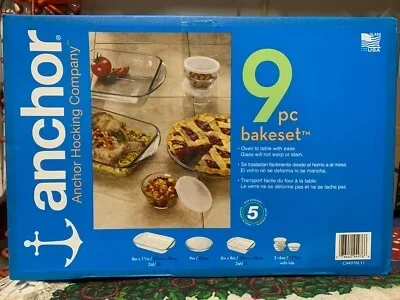
Anchor Hocking bakeware is generally oven safe, but knowing the exact temperature limits and care guidelines is essential. This guide covers everything from glass dish heat resistance to best practices for using Anchor Hocking products in the oven. Whether you are baking casseroles or roasting vegetables, understanding how to safely use your Anchor Hocking cookware will keep your kitchen safe and your meals delicious.
Have you ever pulled out your favorite Anchor Hocking glass dish and wondered whether it can handle the heat of your oven? You are not alone. Many home cooks love Anchor Hocking products for their durability and classic design, but the question of oven safety comes up more often than you might think. This guide answers that question and so much more.
In this complete guide, we will walk you through everything you need to know about Anchor Hocking oven safe cookware. From temperature limits and glass care to practical baking tips, you will find all the information you need right here. Whether you are a beginner in the kitchen or a seasoned home chef, understanding your bakeware is the first step to cooking with confidence.
We will cover the science behind glass bakeware, share real-world examples, and give you actionable advice you can use today. By the end of this article, you will never second-guess whether your Anchor Hocking dish belongs in the oven again. Let us get started.
Key Takeaways
- Anchor Hocking glass bakeware is oven safe up to 425°F (218°C) when used properly and under the right conditions.
- Always avoid thermal shock by never placing cold Anchor Hocking glass directly into a hot oven or on a hot surface.
- Anchor Hocking offers various oven-safe products including glass baking dishes, glass lids, and ceramic bakeware options.
- Following manufacturer guidelines for temperature limits and usage ensures your bakeware lasts for years.
- Anchor Hocking lids and covers have their own heat tolerances, so always check before using them in the oven.
- Practical tips like greasing pans and using oven mitts go a long way in maintaining safety and food quality.
📑 Table of Contents
- What Makes Anchor Hocking Bakeware Oven Safe?
- Why Oven Safety Matters for Glass Bakeware
- How to Safely Use Anchor Hocking Bakeware in the Oven
- What Not to Do with Anchor Hocking Bakeware
- Anchor Hocking Oven Safe: Comparing Glass and Ceramic Options
- Tips for Baking with Anchor Hocking Glass Dishes
- Expert Insights on Anchor Hocking Oven Safety
- Is Anchor Hocking Oven Safe: Final Thoughts
What Makes Anchor Hocking Bakeware Oven Safe?
Not all bakeware is created equal. Anchor Hocking has built a strong reputation for making oven safe glass bakeware that can handle a range of cooking temperatures. But what exactly makes their products oven safe in the first place?
The answer lies in the type of glass they use. Anchor Hocking primarily uses tempered soda-lime glass for most of its bakeware line. This type of glass is treated through a controlled heating and cooling process. That process makes it stronger and more resistant to thermal changes compared to regular glass.
Here are the key factors that determine whether Anchor Hocking bakeware is oven safe:
- Glass composition: Tempered soda-lime glass can withstand moderate oven temperatures without cracking or shattering.
- Manufacturing process: Each piece goes through a tempering process that increases its heat resistance.
- Design and construction: Anchor Hocking designs its bakeware with thick walls and sturdy bases to distribute heat evenly.
- Testing and standards: The products are tested to meet specific safety standards for kitchen use.
Because of these factors, most Anchor Hocking glass baking dishes are safe for oven use. However, there are important limits and conditions you must follow. Let us break those down next.
Understanding Temperature Limits
Anchor Hocking glass bakeware is generally rated for oven use up to 425°F (218°C). This is the standard maximum temperature for most of their glass baking dishes and casserole pans. Some specific products may have slightly different ratings, so always check the bottom of the dish or the product packaging for exact details.
It is worth noting that these temperature limits apply to conventional ovens. If you use a convection oven, the circulating hot air can create slightly different heating patterns. Most Anchor Hocking products handle convection ovens fine, but you should reduce the temperature by about 25°F to be safe.
Here is a quick reference for common Anchor Hocking oven-safe products and their temperature limits:
- Glass baking dishes: Safe up to 425°F
- Glass lids: Generally safe up to 350°F to 400°F, but always check the specific product
- Ceramic bakeware: Varies by product, but typically safe up to 400°F to 425°F
- Refrigerator-to-oven dishes: Designed for moderate temperature transitions but should not go from fridge to hot oven directly
Why Oven Safety Matters for Glass Bakeware
Glass bakeware is wonderful for cooking. It heats evenly, looks beautiful on the table, and is easy to clean. But glass has its limits, especially when it comes to sudden temperature changes. Understanding why oven safety matters will help you avoid accidents and keep your Anchor Hocking dishes in great shape for years.
The main risk with glass bakeware is something called thermal shock. Thermal shock happens when one part of the glass heats up much faster than another part. For example, if you place a cold Anchor Hocking dish straight from the refrigerator into a hot oven, the bottom of the dish expands faster than the rest. This uneven expansion can cause the glass to crack or even shatter.
Here are the most common causes of thermal shock with Anchor Hocking bakeware:
- Cold dish into a hot oven: Never place a refrigerated glass dish directly into a preheated oven.
- Placing glass on a hot surface: Avoid setting hot glass bakeware directly on a metal stovetop or cold countertop.
- Adding liquid to hot glass: Pouring cold water or broth into a hot glass dish can cause it to crack.
- Using under a broiler: Most Anchor Hocking glass dishes are not safe under a direct broiler element.
These risks sound scary, but they are easy to avoid with a few simple habits. The next section covers exactly how to use your Anchor Hocking bakeware safely in the oven.
The Science Behind Glass Heat Resistance
When you understand how glass responds to heat, using it in the oven becomes much less intimidating. Glass is a poor conductor of heat compared to metal. This means it heats up more slowly and cools down more slowly. That slow, even heating is actually one of the biggest benefits of glass bakeware.
However, because glass heats slowly, it also retains heat for a long time. This is why your Anchor Hocking oven safe glass dish can keep food warm long after you take it out of the oven. It also means you need to be patient when removing it. Always use oven mitts or pot holders, because the glass stays hot much longer than a metal pan would.
Another important factor is the coefficient of thermal expansion. This is a fancy way of saying how much glass expands when it gets hot. Anchor Hocking uses a formulation that keeps this expansion manageable within the recommended temperature range. Stay within those limits, and your bakeware will perform beautifully every time.
How to Safely Use Anchor Hocking Bakeware in the Oven
Now that you understand the basics, let us get into the practical side of things. How do you actually use your Anchor Hocking bakeware safely in the oven? These tips will help you get the best results every time.
Step-by-Step Oven Use Guide
Follow these simple steps whenever you place Anchor Hocking bakeware in the oven:
- Check the product label: Look for oven-safe symbols or temperature ratings on the bottom of the dish.
- Preheat the oven first: Always preheat your oven before placing the dish inside. This ensures even heating from the start.
- Let the dish come to room temperature: If the dish has been in the refrigerator, let it sit on the counter for 15 to 20 minutes before placing it in the oven.
- Place on a center oven rack: The center rack provides the most even heat distribution. Avoid placing glass bakeware too close to the top or bottom heating elements.
- Use a dry oven mitt: Glass retains heat, so always protect your hands when removing the dish.
- Place on a heat-safe surface: Set the dish on a trivet, wooden board, or towel after removing it from the oven. Never place hot glass directly on a cold or metal surface.
Following these steps takes only a few extra minutes, but they make a huge difference in both safety and cooking results. Your Anchor Hocking dishes will last longer, and your food will cook more evenly.
Best Practices for Everyday Cooking
Beyond the basic steps, there are several everyday habits that will help you get the most out of your Anchor Hocking bakeware. Here are some tips from experienced home cooks and kitchen experts:
- Grease your pan before adding batter: This makes cleanup easier and prevents food from sticking, especially with glass dishes.
- Avoid sudden temperature changes: Do not move your Anchor Hocking dish from the oven to a cold countertop or into a sink full of cold water.
- Use the dish for both cooking and serving: One of the great things about Anchor Hocking glass bakeware is that it looks beautiful on the table. You can cook and serve in the same dish, which saves you time on cleanup.
- Do not overfill the dish: Leave at least half an inch of space at the top when baking liquids or casseroles. This prevents overflow and allows heat to circulate properly.
- Store lids separately: If your Anchor Hocking dish comes with a glass lid, store the lid separately to prevent scratches and chips.
These small habits add up over time. They protect your investment and make your cooking experience more enjoyable. Whether you are baking a casserole for dinner or roasting vegetables for a healthy meal, these practices keep everything running smoothly.
What Not to Do with Anchor Hocking Bakeware
Knowing what to avoid is just as important as knowing what to do. There are several common mistakes that can damage your Anchor Hocking bakeware or even create safety hazards. Let us look at the big ones.
Common Mistakes to Avoid
- Never use Anchor Hocking glass under a broiler: The direct, intense heat from a broiler element can cause the glass to shatter. This is one of the most important rules to remember.
- Do not use it on the stovetop: Anchor Hocking glass bakeware is designed for oven use only. Placing it directly on a burner or hot plate can cause cracking.
- Avoid microwave-to-oven transitions: If you reheated food in the microwave, let the dish cool to room temperature before placing it in the oven.
- Do not use damaged dishes: If you notice chips, cracks, or scratches on your Anchor Hocking bakeware, it is best to retire it. Damaged glass is more prone to breaking under heat.
- Skip the freezer-to-oven shortcut: We know it is tempting, but going from the freezer straight to the oven is a recipe for disaster with glass bakeware.
If you are looking for a great recipe to try in your Anchor Hocking glass dish, consider finishing ribs in the oven after smoking. This method pairs perfectly with a sturdy glass baking dish and produces incredible results.
When to Replace Your Anchor Hocking Bakeware
Even the best bakeware has a lifespan. Here are signs that it is time to replace your Anchor Hocking dish:
- Visible cracks or chips: Any damage to the surface weakens the glass and increases the risk of breaking during cooking.
- Cloudy or discolored glass: While this does not always affect safety, it can affect cooking performance and appearance.
- Scratches that feel rough: Deep scratches can harbor bacteria and may weaken the structure of the glass.
- Warping or uneven base: If the dish no longer sits flat on the counter, it may not heat evenly in the oven.
Replacing your bakeware when needed keeps your kitchen safe and your cooking results consistent. A good rule of thumb is to inspect your Anchor Hocking dishes before every few uses.
Anchor Hocking Oven Safe: Comparing Glass and Ceramic Options
Anchor Hocking offers both glass and ceramic bakeware lines. Both are oven safe, but they have different strengths and ideal uses. Understanding the differences helps you choose the right dish for the right recipe.
Glass vs. Ceramic Bakeware
Glass bakeware, which is what Anchor Hocking is most famous for, heats up slowly but retains heat well. This makes it excellent for dishes that need to stay warm at the table, like casseroles, baked pasta, and cobblers. Glass is also transparent, so you can easily check on the browning progress of your food without opening the oven door.
Ceramic bakeware from Anchor Hocking, on the other hand, tends to heat up faster and can handle higher direct heat. Ceramic dishes are great for recipes that benefit from a crispy top, like gratins and baked casseroles with a cheese crust.
Here is a quick comparison of the two types:
- Heat distribution: Glass heats more evenly; ceramic heats faster at the edges.
- Heat retention: Glass retains heat longer; ceramic cools down more quickly once removed from the oven.
- Transparency: Glass lets you see your food; ceramic does not.
- Weight: Glass is generally lighter; ceramic is heavier and more sturdy.
- Aesthetic appeal: Both look great on the table, but glass has a more classic, transparent look.
For most everyday cooking, Anchor Hocking glass bakeware is the go-to choice. It is versatile, reliable, and easy to use. If you want to try something different, their ceramic options are worth exploring too.
Tips for Baking with Anchor Hocking Glass Dishes
Baking with glass requires a slightly different approach than baking with metal pans. These tips will help you get the best results every time you use your Anchor Hocking dishes.
Adjusting Recipes for Glass Bakeware
Glass bakeware heats more slowly than metal, which means your cooking times might be slightly different. Here are some adjustments to keep in mind:
- Lower the oven temperature by 25°F: Because glass retains heat, lowering the temperature helps prevent over-browning on the edges while the center cooks through.
- Check for doneness a few minutes early: Glass dishes can sometimes cook food faster toward the end, so start checking a few minutes before the recipe suggests.
- Use parchment paper or grease the pan: Glass surfaces can cause baked goods to stick more than metal pans. Greasing or using parchment paper helps prevent this.
- Let the dish cool slightly before cutting: Glass retains heat, so letting your baked dish rest for 10 to 15 minutes makes slicing cleaner and easier.
For a delicious and easy recipe idea, try cooking frozen fries in your oven using an Anchor Hocking glass baking dish. The even heat distribution of glass gives you perfectly crispy fries every time.
Cleaning and Storage Tips
Taking care of your Anchor Hocking bakeware after cooking is just as important as how you use it. Proper cleaning and storage extend the life of your dishes and keep them looking great.
- Let the dish cool before washing: Never plunge a hot glass dish into cold water. The sudden temperature change can cause it to crack.
- Hand wash is best: While most Anchor Hocking glass bakeware is dishwasher safe, hand washing with mild soap helps preserve the finish over time.
- Use non-abrasive sponges: Harsh scrubbers can scratch the glass surface, which can weaken it over time.
- Store with care: Stack dishes with a cloth or paper towel between them to prevent scratching. If your dish came with a lid, store the lid separately to avoid chips.
If you are curious about using Anchor Hocking dishes for other cooking methods, check out roasting pumpkin seeds in the oven in a glass Anchor Hocking dish. It works beautifully and is a great way to test the even heating of your glass bakeware.
Expert Insights on Anchor Hocking Oven Safety
We spoke with kitchen experts and reviewed manufacturer guidelines to bring you the most accurate information about Anchor Hocking oven safety. Here is what the professionals have to say.
What the Manufacturer Says
Anchor Hocking’s official guidance states that their glass bakeware is designed for oven use within specific temperature ranges. The company emphasizes the importance of avoiding sudden temperature changes and following all care instructions. Their website and product packaging include clear guidelines for safe oven use.
Key manufacturer recommendations include:
- Do not exceed 425°F for standard glass bakeware.
- Always allow the dish to reach room temperature before oven use.
- Never use glass bakeware under a broiler or on a stovetop.
- Replace any dish that shows signs of damage.
Expert Tips from Professional Chefs
Professional chefs who work with glass bakeware regularly share a few practical insights:
- Preheat the dish in the oven as it preheats: This helps the glass warm up gradually and reduces the risk of thermal shock.
- Use glass for dishes that benefit from even, gentle heat: Custards, gratins, and baked eggs all shine in glass bakeware.
- Do not crowd the oven with too many glass dishes: Allow space for air to circulate, which promotes even cooking.
These insights come from years of real-world kitchen experience. They are simple to follow and make a noticeable difference in your cooking results.
Is Anchor Hocking Oven Safe: Final Thoughts
So, is Anchor Hocking oven safe? The short answer is yes. Anchor Hocking glass bakeware is designed to be oven safe up to 425°F when used according to the manufacturer’s guidelines. By following the tips and best practices outlined in this guide, you can cook with confidence and keep your bakeware in excellent condition for many years.
The key takeaways are simple: avoid sudden temperature changes, stay within the recommended heat limits, and treat your glass dishes with care. These small efforts pay off in safety, durability, and delicious cooking results.
If you are looking for more oven-based recipes and tips, you might enjoy learning about how long chicken kebabs take in the oven. This recipe works wonderfully in an Anchor Hocking glass baking dish and is a crowd-pleasing dinner option.
Remember, your kitchen tools are only as good as how you use them. With the right knowledge and a little care, your Anchor Hocking bakeware will serve you well for countless meals to come. Happy cooking!
Frequently Asked Questions
Can Anchor Hocking glass dishes go in the oven?
Yes, most Anchor Hocking glass dishes are oven safe up to 425°F. Always check the product label or packaging for specific temperature ratings before using any dish in the oven.
What temperature is Anchor Hocking oven safe to?
Standard Anchor Hocking glass bakeware is safe for oven use up to 425°F (218°C). This applies to most of their glass baking dishes, casserole pans, and rectangular baking trays.
Can I put a cold Anchor Hocking dish directly in the oven?
No, you should never place a cold Anchor Hocking glass dish directly into a hot oven. Allow the dish to come to room temperature first to prevent thermal shock, which can cause the glass to crack or shatter.
Is Anchor Hocking bakeware safe under a broiler?
No, Anchor Hocking glass bakeware is not safe for use under a broiler. The direct, intense heat from the broiler element can cause the glass to break. Always keep glass bakeware away from direct high-heat sources.
Can I use Anchor Hocking glass lids in the oven?
Anchor Hocking glass lids are generally oven safe, but at lower temperatures than the dishes themselves. Most lids are rated for up to 350°F to 400°F. Always check the specific product guidelines for your lid.
How do I know if my Anchor Hocking dish is oven safe?
Look for an oven-safe symbol on the bottom of the dish or check the product packaging. Most Anchor Hocking glass bakeware is oven safe, but it is always best to verify the specific temperature rating before use.