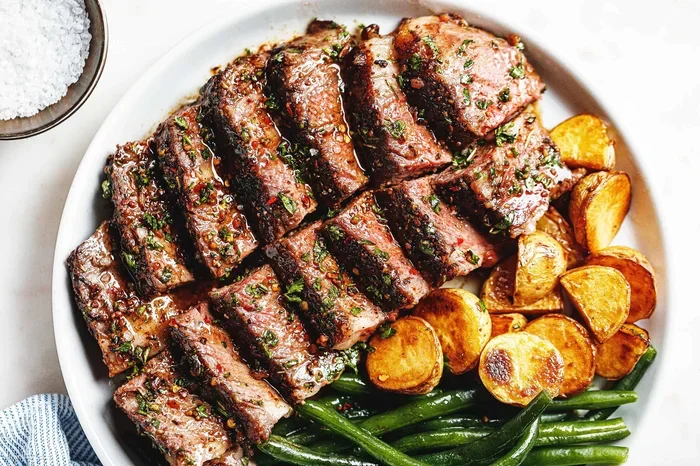
How To Cook A Beef Steak In The Oven With Perfect Results
Cooking a beef steak in the oven is easier than you think and delivers consistent, restaurant-quality results at home. This guide walks you through every step, from picking the right cut to pulling it off heat at the perfect moment. You will learn the best oven temperatures, timing tricks, and seasoning tips that make a huge difference. Whether you prefer a juicy medium-rare ribeye or a well-done sirloin, these methods work for every preference. Follow these simple steps and you will never overcook a steak again.
Key Takeaways
- Choose the right cut: Ribeye, NY strip, and filet mignon are the best options for oven cooking.
- Room temperature matters: Let your steak sit out for 30-45 minutes before cooking for even results.
- Use a meat thermometer: This is the single most important tool for perfect steak doneness every time.
- Rest your steak: Always let it rest for 5-10 minutes after cooking to keep juices locked in.
- Reverse sear method: Cooking low and slow first, then finishing with a hot sear gives the best crust and edge-to-edge doneness.
- Season simply but smartly: Salt, pepper, garlic, and fresh herbs go a long way when paired with quality beef.
- Avoid common mistakes: Skipping the dry-brine, overcrowding the pan, and cutting too soon are the top errors home cooks make.
📑 Table of Contents
- How To Cook A Beef Steak In The Oven: A Simple Guide to Perfect Results
- Choosing the Best Steak for Oven Cooking
- Step-by-Step: How To Cook A Beef Steak In The Oven
- Perfect Steak Temperatures and Doneness Levels
- Common Mistakes to Avoid When Cooking Steak in the Oven
- Pro Tips for Restaurant-Quality Steak at Home
- Frequently Asked Questions
- Final Thoughts
How To Cook A Beef Steak In The Oven: A Simple Guide to Perfect Results
There is something deeply satisfying about cooking a beef steak in the oven. No flare-ups. No guesswork. Just a reliable method that produces a beautiful, juicy steak with a gorgeous crust every single time.
Many people think steak belongs only on the grill or stovetop. But the oven method is just as powerful, if not more so. It gives you even heat, better control, and consistent results. Whether you are a beginner in the kitchen or a seasoned home cook looking to refine your technique, this guide will help you cook oven-baked steak like a pro.
We will cover everything from choosing the right cut to nailing the perfect internal temperature. By the end, you will feel confident enough to make a restaurant-quality ribeye steak oven dinner on any weeknight. Let us get started.
Choosing the Best Steak for Oven Cooking
Not all steaks are created equal when it comes to oven cooking. The right cut makes a massive difference in texture, flavor, and how easy it is to cook evenly. Some steaks handle high heat beautifully, while others need a gentler approach.
Top Cuts for Oven-Baked Steak
Here are the best beef steak oven recipes start with these cuts:
- Ribeye: Rich in marbling, which means lots of flavor and a tender bite. This is the crowd favorite for oven cooking.
- New York Strip: A leaner option with a firm texture and bold beef taste. Cooks beautifully in the oven.
- Filet Mignon: The most tender cut. It is leaner but incredibly soft. Great for those who prefer a buttery texture.
- Sirloin: An affordable option that still delivers great flavor when cooked properly.
- Porterhouse or T-Bone: Two steaks in one. The bone adds extra flavor during oven roasting.
Thickness Matters
When you are learning how to cook a beef steak in the oven, thickness is one of the first things to consider. A steak that is at least 1 to 1.5 inches thick works best for oven cooking. Thinner steaks can overcook quickly, while thicker cuts give you more room for error. Look for steaks with a bright red color and fine marbling throughout the meat.
Step-by-Step: How To Cook A Beef Steak In The Oven
Now let us walk through the actual cooking process. This method uses a combination of low oven heat and a hot finish, which is often called the reverse sear method. It is the most reliable way to get perfect medium-rare steak oven results every time.
Step 1: Prep the Steak
Take your steak out of the fridge about 30 to 45 minutes before cooking. This lets it reach room temperature steak before it hits the heat. Cold steak in a hot oven cooks unevenly, with a cold center and an overcooked edge. Pat the steak dry with paper towels. This step is crucial because moisture is the enemy of a good crust.
Step 2: Season Generously
Keep it simple. A generous sprinkle of kosher salt and freshly cracked black pepper is all you need for a classic steak seasoning. Some people like to add garlic powder, smoked paprika, or a touch of onion powder. For extra flavor, rub the steak with a little olive oil or melted butter first. This helps the seasoning stick and creates a beautiful crust.
Step 3: Preheat the Oven
Set your oven to 275°F (135°C). This low temperature is the key to even cooking. A hot oven will scorch the outside before the inside is done. The low and slow approach gives you edge-to-edge steak doneness, which means no gray band between the cooked exterior and the raw center.
Step 4: Cook Low and Slow
Place the steak on a wire rack set over a baking sheet. The wire rack allows air to circulate around the meat, which promotes even cooking. Put the steak in the oven and cook until it reaches about 10 to 15 degrees below your target internal temperature. For a medium-rare steak, that means pulling it out at around 115°F to 120°F.
Here is a rough guide for oven time based on thickness:
- 1-inch thick steak: about 20-25 minutes
- 1.5-inch thick steak: about 25-30 minutes
- 2-inch thick steak: about 30-35 minutes
Always use a meat thermometer to check the temperature. This is the most important tool in your kitchen for perfect oven steak doneness.
Step 5: Sear for a Perfect Crust
While the steak is in the oven, heat a cast iron skillet over high heat. Add a high smoke-point oil like avocado or grapeseed oil. Once the pan is ripping hot, carefully place the steak in the skillet. Sear for 60 to 90 seconds per side. You should hear a loud sizzle. If you do not, the pan is not hot enough.
For extra richness, add a knob of butter, crushed garlic cloves, and fresh thyme sprigs to the pan during the last 30 seconds of searing. Spoon the steak butter over the meat as it melts. This adds incredible flavor and a beautiful glossy finish.
Step 6: Rest the Steak
This step is non-negotiable. Transfer the steak to a cutting board and let it rest for at least 5 to 10 minutes. During resting, the juices redistribute throughout the meat. If you cut into it too soon, all those flavorful juices run out onto the board instead of staying in the steak. Tent the steak loosely with aluminum foil to keep it warm while it rests.
Perfect Steak Temperatures and Doneness Levels
Understanding steak internal temperature is the secret to cooking steak exactly how you like it. Every oven and every steak is slightly different, so a reliable meat thermometer is your best friend.
Steak Doneness Temperature Guide
| Doneness | Pull Temp (Oven) | Final Temp After Rest | Texture |
|---|---|---|---|
| Rare | 110°F (43°C) | 120°F (49°C) | Cool red center, very soft |
| Medium Rare | 115°F (46°C) | 125°F (52°C) | Warm red center, juicy and tender |
| Medium | 125°F (52°C) | 135°F (57°C) | Pink center, firm but juicy |
| Medium Well | 135°F (57°C) | 145°F (63°C) | Slight pink, firmer texture |
| Well Done | 145°F (63°C) | 155°F (68°C) | No pink, very firm |
Remember that the temperature will rise about 5 to 10 degrees after you pull the steak from the oven. This is called carryover cooking, and it is why you pull the steak early. Factor this into your beef cooking tips every time.
What Is the Best Temperature for Oven Steak?
For the reverse sear method, 275°F is the sweet spot. It cooks the steak gently and evenly without drying it out. If you prefer a more traditional approach, you can use 400°F for a shorter cook time with a heavier crust. However, the lower temperature method gives you more control and more consistent results for oven-baked steak.
Common Mistakes to Avoid When Cooking Steak in the Oven
Even experienced home cooks make mistakes when cooking beef steak in the oven. Here are the most common errors and how to avoid them.
Mistake 1: Skipping the Dry Brine
A dry brine means salting the steak ahead of time and letting it sit uncovered in the fridge for at least 1 hour, or up to 24 hours. This draws out moisture, which then gets reabsorbed into the meat. The result is a deeper seasoning and a much better crust. Skipping this step is one of the biggest missed opportunities for a great oven-baked steak.
Mistake 2: Cooking a Cold Steak
Putting a cold steak straight from the fridge into a hot oven creates uneven cooking. The outside overcooks while the center stays cold. Always bring your steak to room temperature before it goes in the oven. This simple step makes a noticeable difference.
Mistake 3: Not Using a Wire Rack
Placing the steak directly on a baking sheet traps steam underneath. That steam prevents a good crust from forming. A wire rack elevates the meat and allows hot air to circulate freely, giving you that beautiful crispy exterior.
Mistake 4: Cutting Into the Steak Too Soon
We mentioned this in the resting section, but it is worth repeating. Cutting into your steak right after cooking releases all the juices. Patience pays off. Give it at least 5 minutes and you will taste the difference.
Mistake 5: Guessing the Temperature
Never guess doneness by pressing the steak or timing it by feel alone. A digital meat thermometer takes the guesswork out completely. It is the difference between a good steak and a great steak.
Pro Tips for Restaurant-Quality Steak at Home
Want to take your beef steak oven recipe to the next level? Here are some expert steak cooking tips that professional chefs use.
Use the Best Quality Beef You Can Afford
Higher quality beef, especially USDA Prime or Choice grades, has more marbling and better flavor. You do not need the most expensive cut, but choosing quality beef from a trusted butcher makes a real difference in your oven-broiled steak results.
Add Fresh Herbs at the End
Fresh rosemary, thyme, and oregano add a wonderful aromatic finish. Add them to the pan during the final sear or scatter them on the steak while it rests. Fresh herbs brighten up the flavor profile of any thick cut steak.
Try Different Finishing Touches
Once your steak is rested, try finishing it with a sprinkle of flaky sea salt, a drizzle of aged balsamic vinegar, or a side of compound butter. These small additions elevate the dish from simple to spectacular. A side of roasted garlic mashed potatoes or a crisp garden salad pairs perfectly with any beef steak oven recipe.
Experiment with Marinades and Rubs
While simple seasoning is often best, a good steak marinade can add another dimension of flavor. Try a soy sauce, brown sugar, and garlic marinade for an Asian-inspired twist. Or use a coffee and chili rub for a bold, smoky flavor profile. Just remember that marinades work best with thinner cuts, as thicker steaks absorb seasoning better through dry brining.
Clean Your Cast Iron Pan Properly
A well-maintained cast iron skillet gives you the best sear possible. After cooking, let the pan cool, then rinse it with hot water (no soap). Scrub gently with a brush, dry it completely, and rub a thin layer of oil inside. A well-seasoned cast iron pan is one of the best investments for any home cook who loves pan-seared steak.
Frequently Asked Questions
Can I cook a frozen steak in the oven?
Yes, you can cook a frozen steak in the oven, but it will take significantly longer and cook less evenly. The best results come from thawing the steak first. If you must cook it from frozen, use a lower oven temperature and increase the cooking time by about 50 percent. Always use a meat thermometer to check for doneness.
What is the best oven temperature for a thick steak?
The best oven temperature for a thick steak is 275°F for the reverse sear method. This low temperature cooks the steak gently and evenly from edge to edge. Finish with a hot cast iron sear for 60 to 90 seconds per side to develop a beautiful crust.
How long should I rest my steak after cooking?
Let your steak rest for at least 5 to 10 minutes after cooking. A thicker steak benefits from a longer rest, up to 15 minutes. During this time, the juices redistribute throughout the meat, making each bite more flavorful and juicy.
Do I need a cast iron skillet for oven steak?
A cast iron skillet is the best choice for searing steak because it holds heat incredibly well. However, you can use any heavy-bottomed stainless steel or oven-safe skillet. The key is making sure the pan is very hot before you add the steak for the final sear.
How do I know when my steak is done without cutting into it?
The most accurate way is to use a digital meat thermometer inserted into the thickest part of the steak. You can also use the finger test by pressing the center of the steak and comparing the firmness to the feel of your palm, but a thermometer is far more reliable and consistent for oven-baked steak.
Can I use this method for leaner cuts like sirloin?
Absolutely. Leaner cuts like sirloin benefit from the low and slow oven method because it reduces the risk of drying out. Just be careful not to overcook them, as they have less fat to keep them juicy. Pull leaner cuts at a slightly lower temperature and serve with a drizzle of butter or a flavorful sauce to add moisture.
Final Thoughts
Cooking a beef steak in the oven is one of the most rewarding skills you can build in the kitchen. It is simple, forgiving, and produces incredible results every time. Once you master the reverse sear method and understand how temperature affects your steak, you will never go back to guessing again.
Start with a good cut of beef, season it well, and cook it low and slow. Finish with a hot sear and let it rest properly. These steps may seem small, but they make all the difference between a good steak and an unforgettable one.
Now that you know how to cook a beef steak in the oven with perfect results, it is time to put these tips into action. Grab a steak, fire up your oven, and enjoy the process. Your taste buds will thank you.