How To Toast Sesame Seeds In The Oven The Easy Way
Toasting sesame seeds in the oven is the simplest way to unlock their full nutty flavor and crisp texture. This easy method requires just a few minutes and basic kitchen tools. You will learn the exact temperature, timing, and tips for perfect results every time. Whether you are topping salads or baking bread, oven-toasted sesame seeds elevate any dish. Follow our straightforward guide and transform your cooking today.
Key Takeaways
- Easy Oven Method: Toasting sesame seeds in the oven takes just 5 to 8 minutes at 350°F for golden, flavorful results.
- Minimal Equipment Needed: You only need a baking sheet, parchment paper, and raw sesame seeds.
- Versatile Ingredient: Toasted sesame seeds work in salads, stir-fries, baked goods, and as a garnish for countless dishes.
- Proper Storage Matters: Store cooled toasted seeds in an airtight container to keep them fresh for up to two weeks.
- Watch Closely: Sesame seeds burn quickly, so stay near the oven and stir halfway through for even toasting.
- Stovetop Alternative Exists: If you do not have an oven, a dry skillet works just as well for toasting sesame seeds.
📑 Table of Contents
- How To Toast Sesame Seeds In The Oven: A Simple Step-by-Step Guide
- Step-by-Step: How To Toast Sesame Seeds In The Oven
- How Long To Toast Sesame Seeds In The Oven
- Oven Toasted Sesame Seeds vs Stovetop Method
- Uses For Toasted Sesame Seeds
- Storing Your Toasted Sesame Seeds
- Common Mistakes to Avoid When Toasting Sesame Seeds
- Quick Tips for Perfect Toasted Sesame Seeds Every Time
- Health Benefits of Sesame Seeds
- How To Use Toasted Sesame Seeds in Everyday Cooking
- Conclusion
How To Toast Sesame Seeds In The Oven: A Simple Step-by-Step Guide
Sesame seeds are tiny but mighty. They add crunch, nuttiness, and a beautiful golden finish to almost any dish. If you have ever wondered how to toast sesame seeds in the oven, you are in the right place. This guide walks you through the entire process in plain, simple language. You do not need any fancy equipment or cooking skills. Just a few minutes and your regular oven are all you need.
Toasted sesame seeds taste completely different from raw ones. The heat brings out their natural oils and creates a rich, deep flavor. Many home cooks skip this step, but it makes a huge difference. A quick toast transforms plain sesame seeds into a standout ingredient. Whether you are cooking Asian dishes, sprinkling them on salads, or adding them to baked goods, oven-toasted sesame seeds are always better.
The beauty of using your oven for toast sesame seeds is consistency. Unlike stovetop toasting, where hot spots can cause burning, the oven heats evenly. This means every seed gets the same treatment. You get perfectly golden oven toasted sesame seeds without having to stand over a pan and stir constantly. Let us dive into the full process.
Why Toast Sesame Seeds?
Raw sesame seeds have a mild, slightly bitter taste. They work fine in some recipes, but they lack the depth that toasted seeds bring. When you heat sesame seeds, several things happen. The natural oils inside the seeds become more active. This releases a warm, nutty aroma that fills your kitchen. The texture also changes from soft to crispy and crunchy.
Here are the main reasons to toast your sesame seeds:
- Enhanced Flavor: Toasting brings out a rich, nutty taste that raw seeds simply do not have.
- Better Texture: Toasted seeds add a satisfying crunch to dishes like salads, noodles, and desserts.
- Improved Aroma: The warm, toasty smell makes your food more appetizing before you even take a bite.
- Better Nutrient Absorption: Heat can help break down certain compounds in sesame seeds, making their nutrients easier for your body to absorb.
- Visual Appeal: Golden-brown toasted seeds look beautiful as a garnish on almost any plate.
Once you start toasting sesame seeds regularly, you will wonder how you ever cooked without them. The flavor boost is real and noticeable. It is one of those small kitchen habits that makes a big impact on your meals.
What You Will Need
Before you start, gather these simple items. You probably already have everything in your kitchen right now.
- Raw sesame seeds: White sesame seeds work best, but you can also use black or brown sesame seeds for different flavors and colors.
- Baking sheet: A standard rimmed baking sheet works perfectly.
- Parchment paper or silicone mat: This prevents the seeds from sticking to the sheet and makes cleanup a breeze.
- A spatula or wooden spoon: You will need this for stirring the seeds halfway through.
- An oven: Your regular home oven is all you need. No special equipment required.
That is it. No special tools, no fancy gadgets. Just simple ingredients and your oven. This is what makes toasting sesame seeds in the oven so easy and accessible for everyone.
Step-by-Step: How To Toast Sesame Seeds In The Oven
Now let us get into the actual process. Follow these simple steps and you will have perfectly toasted sesame seeds in under ten minutes.
Step 1: Preheat Your Oven
Set your oven to 350°F (175°C). This is the ideal temperature for toasting sesame seeds. It is hot enough to toast the seeds quickly but not so hot that they burn. Preheating is important because it ensures the seeds start cooking the moment they hit the oven. Do not skip this step.
If you are using a convection oven, you can lower the temperature slightly to 325°F. The fan in a convection oven circulates hot air more efficiently, so the seeds toast faster. Keep an eye on them during the first batch if you are using this setting.
Step 2: Spread the Seeds on a Baking Sheet
Line your baking sheet with parchment paper. Pour your raw sesame seeds onto the sheet. Spread them out in a single, even layer. The key here is to avoid piling the seeds on top of each other. If the seeds are crowded together, they will steam instead of toast. You want each seed exposed to the hot air.
Use no more than one cup of sesame seeds per sheet. If you need to toast a larger batch, use two baking sheets and rotate them halfway through. A thin, even layer is the secret to perfectly golden sesame seeds.
Step 3: Place in the Oven
Put the baking sheet on the middle rack of your oven. The middle position allows heat to circulate evenly around the seeds. Set your timer for 5 minutes. Do not walk away from the oven. Sesame seeds go from perfectly toasted to burnt very quickly.
Some recipes suggest starting with 3 minutes and checking frequently. This is a good approach if you are new to toasting sesame seeds. It is always better to under-toast slightly and add more time than to burn a whole batch.
Step 4: Stir and Check at the 5-Minute Mark
After 5 minutes, open the oven and use a spatula to stir the seeds. This is a crucial step. Stirring redistributes the seeds so any that were on the hot edges move to the cooler center. It also helps you spot any seeds that are already darker than the rest.
Look at the color. The seeds should be turning a light golden brown. They may still look slightly pale in the center, and that is okay. They will continue to toast as they cool. If some seeds are already dark brown, pull those out and leave the lighter ones in for another minute or two.
Step 5: Toast for an Additional 2 to 3 Minutes
After stirring, put the tray back in the oven for another 2 to 3 minutes. Watch carefully during this time. The seeds will continue to darken as they sit on the hot tray even after you take them out. You want them to be a uniform golden brown when you remove them from the oven.
Some cooks like to set their timer for just 2 minutes and then check. This gives you more control over the final result. Remember, the seeds will continue to darken slightly as they cool on the tray. Pull them out when they look about 80% done.
Step 6: Remove and Cool Immediately
Take the baking sheet out of the oven as soon as the seeds reach a golden brown color. Transfer the seeds to a cool plate or bowl right away. Do not leave them sitting on the hot baking sheet. The residual heat will continue to cook the seeds, and they can burn quickly.
Spread the seeds out on the plate so they cool evenly. Let them cool for about 10 to 15 minutes. Once they are completely cool, they will have reached their perfect crunch level. You can then use them right away or store them for later.
How Long To Toast Sesame Seeds In The Oven
The total time for how long to toast sesame seeds in the oven is usually between 7 and 10 minutes. However, several factors can affect this timing. Let us break it down so you know exactly what to expect.
Factors That Affect Toasting Time
- Oven accuracy: Some ovens run hotter or cooler than the displayed temperature. If your oven tends to run hot, reduce the time by 1 to 2 minutes.
- Seed quantity: A larger batch takes slightly longer. Always keep the layer thin for the best results.
- Seed type: White sesame seeds toast faster than black sesame seeds. Black seeds have a thicker outer shell that takes a bit longer to heat through.
- Oven type: Conventional ovens and convection ovens behave differently. Convection ovens toast faster, so reduce time accordingly.
- Altitude: If you live at a high altitude, your oven may need slightly different timing. This is rare but worth noting.
The best approach is to watch the seeds closely during the last 2 minutes of toasting. Use your eyes and nose. When you smell that warm, nutty aroma and see a uniform golden color, they are done. Trust your senses as much as the timer.
Oven Toasted Sesame Seeds vs Stovetop Method
While this guide focuses on the oven method, it is worth knowing that you can also toast sesame seeds on the stovetop. Both methods produce delicious results, but they have some differences. Understanding these can help you choose the right method for your situation.
Oven Method
The oven method is hands-off and great for larger batches. You spread the seeds on a tray, set the timer, and walk away. The even heat distribution means fewer burnt seeds. This is the best method when you are toasting sesame seeds for a big recipe or meal prep.
Stovetop Method
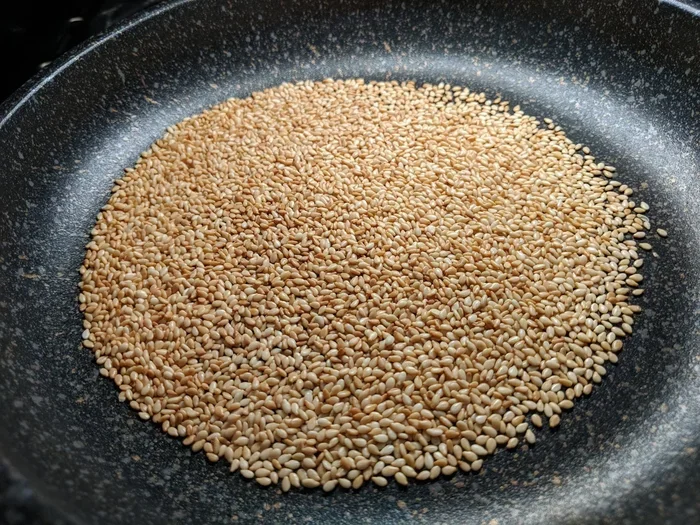
The stovetop method uses a dry skillet on medium heat. You stir the seeds constantly for 3 to 5 minutes. This method gives you more control because you can see and feel the seeds as they toast. It is faster for small batches but requires your full attention. The stovetop method works well when you need sesame seeds right now for a quick recipe.
| Feature | Oven Method | Stovetop Method |
|---|---|---|
| Time Required | 7 to 10 minutes | 3 to 5 minutes |
| Batch Size | Up to 1 cup per sheet | Best for small batches |
| Hands-On Attention | Low (stir once at midpoint) | High (constant stirring) |
| Evenness of Toasting | Very even | Good if stirred constantly |
| Best For | Large batches and meal prep | Quick, small-batch toasting |
| Risk of Burning | Low to moderate | Moderate to high |
For most home cooks, the oven method is the easiest and most reliable way to toast sesame seeds. It requires less effort and produces consistent results every time. However, keeping a dry skillet in your rotation is a good idea too. Having both methods in your cooking toolkit gives you flexibility.
Uses For Toasted Sesame Seeds
Once you have a batch of perfectly toasted sesame seeds, you will want to use them everywhere. These tiny seeds add flavor, crunch, and visual appeal to a wide range of dishes. Here are some of the best ways to enjoy them.
As a Salad Topping
Sprinkle toasted sesame seeds over green salads, grain bowls, or noodle salads. They add a nutty crunch that pairs beautifully with fresh vegetables and light dressings. Try them on a simple cucumber salad or a sesame ginger dressed mixed greens bowl.
In Stir-Fry Dishes
Toasted sesame seeds are a classic topping for stir-fried vegetables and proteins. Add them at the very end of cooking so they stay crispy. They pair especially well with broccoli, bell peppers, and teriyaki-style sauces. A handful of golden sesame seeds can turn a simple stir-fry into something restaurant-quality.
On Baked Goods
Use toasted sesame seeds as a topping for bread, rolls, crackers, and cookies. Press them gently into the dough before baking for the best adhesion. They add a beautiful golden color and a subtle nutty flavor to homemade baked goods. Try them on homemade hamburger buns or crusty artisan loaves.
In Desserts and Snacks
Toasted sesame seeds work surprisingly well in sweet dishes too. Sprinkle them over ice cream, yogurt, or fruit salad. Mix them into energy balls, granola bars, or trail mix. In Japanese and Korean cuisine, sesame seeds are commonly used in desserts like mochi and rice cakes. Do not be afraid to get creative with sesame seeds in cooking.
Making Homemade Sesame Oil
If you are feeling adventurous, you can use toasted sesame seeds to make a simple infused oil. Just blend toasted seeds with a neutral oil like vegetable or grapeseed oil, let it sit for a few hours, and strain. The result is a delicious homemade sesame oil that works great for dressings and finishing dishes.
Storing Your Toasted Sesame Seeds
Proper storage is key to keeping your toasted sesame seeds fresh and flavorful. Once seeds are toasted, they begin to lose their crunch and flavor over time. Follow these simple storage tips to make them last.
- Cool completely before storing: Never store warm seeds. Moisture from the heat can make them soggy and shorten their shelf life.
- Use an airtight container: A glass jar with a tight-fitting lid or a sealed plastic container works best. This keeps out moisture and air, which are the enemies of toasted seeds.
- Store at room temperature: A cool, dark pantry is the ideal spot. Avoid storing them near the stove or in direct sunlight.
- Refrigerate for longer storage: If you want your seeds to stay fresh for more than two weeks, store them in the refrigerator. They can last up to one month in the fridge.
- Freeze for maximum freshness: For long-term storage, freeze toasted sesame seeds in an airtight bag. They can last up to three months frozen. Thaw at room temperature before using.
Always label your container with the date you toasted the seeds. This helps you use them while they are at their freshest. Freshly toasted sesame seeds have the best flavor and crunch, so try to use them within one to two weeks for the best results.
Common Mistakes to Avoid When Toasting Sesame Seeds
Even though toasting sesame seeds is simple, there are a few common mistakes that can ruin the results. Learning what not to do is just as important as learning the right technique.
Using Too Many Seeds on the Pan
This is the number one mistake people make. Overcrowding the baking sheet causes the seeds to steam instead of toast. The result is pale, soft seeds instead of crispy, golden ones. Always use a thin, single layer. If you need to toast more, do it in multiple batches.
Skipping the Stirring Step
Sesame seeds toast unevenly if you do not stir them halfway through. The seeds on the edges of the pan get hotter faster than the ones in the center. Stirring at the halfway point ensures even color and texture throughout the batch.
Leaving the Oven Unattended
Sesame seeds can go from perfectly toasted to burnt in less than a minute. Do not leave the kitchen while they are in the oven. Stay close and check them frequently during the last few minutes. Your nose is a great tool here too. When you smell that toasty aroma, start checking the color.
Not Letting Them Cool Completely
It is tempting to use warm sesame seeds right away, but this is a mistake. The seeds continue to toast as they cool on the hot tray. If you use them immediately, they will be softer and less crunchy than they should be. Let them cool fully on a separate plate for the best texture.
Forgetting to Preheat the Oven
Putting cold seeds into a cold oven leads to uneven toasting. The seeds will sit in the pan while the oven slowly heats up, and some will start to burn before others even begin to toast. Always preheat to 350°F before adding the seeds.
Quick Tips for Perfect Toasted Sesame Seeds Every Time
Here are some extra tips that experienced cooks use to get the best results when they toast sesame seeds in the oven. These small tricks can make a big difference.
- Buy quality seeds: Fresh, high-quality raw sesame seeds toast better and taste better. Look for seeds from a reputable spice shop or bulk store.
- Toast just before use: Toasted sesame seeds taste best when used soon after toasting. The crunch and flavor fade over time, even with proper storage.
- Add a pinch of salt after toasting: Salt sticks better to toasted seeds than raw ones. Sprinkle a small amount of salt right after cooling for extra flavor.
- Try different sesame varieties: Black sesame seeds have a more intense, slightly sweet flavor. White seeds are milder and more neutral. Brown seeds fall somewhere in between. Experiment with each type to find your favorite.
- Use a silicone baking mat: These mats promote even browning and make cleanup effortless. They are a great investment if you toast sesame seeds regularly.
- Pair with other spices: Before toasting, toss the seeds with a tiny bit of garlic powder, cumin, or paprika for an extra flavor boost. This works great for savory dishes.
Health Benefits of Sesame Seeds
Beyond their delicious taste and satisfying crunch, sesame seeds offer impressive health benefits. Adding toasted sesame seeds to your meals is an easy way to boost your nutrition. These tiny seeds are packed with essential nutrients that support overall health.
Sesame seeds nutrition includes healthy fats, protein, fiber, and important minerals like calcium, iron, magnesium, and zinc. They also contain powerful antioxidants called lignans and phytosterols. These compounds have been studied for their potential to support heart health, reduce inflammation, and protect cells from oxidative damage.
The sesame seeds benefits extend to bone health as well. Just one tablespoon of sesame seeds provides a meaningful amount of calcium, which is especially valuable for those who do not consume dairy products regularly. The magnesium in sesame seeds also supports bone density and muscle function.
Additionally, sesame seeds contain sesamin and sesamolin, two unique compounds that may help lower cholesterol levels. Studies have shown that regular consumption of sesame seeds can positively impact cardiovascular health markers. Toasting the seeds does not reduce these benefits and actually makes the nutrients more bioavailable in some cases.
Including toasted sesame seeds in your daily diet is a simple and delicious way to support your health. Sprinkle them on your morning oatmeal, add them to lunch salads, or use them as a coating for baked chicken or fish. Every small addition counts toward better nutrition over time.
How To Use Toasted Sesame Seeds in Everyday Cooking
Now that you know how to toast sesame seeds in the oven and store them properly, let us talk about how to weave them into your daily cooking routine. The great thing about toasted sesame seeds is how versatile they are. They complement almost any cuisine and flavor profile.
Start your morning by adding a sprinkle of toasted sesame seeds to scrambled eggs or avocado toast. The nutty crunch pairs wonderfully with creamy textures. For lunch, toss them into wraps, sandwiches, or grain bowls. They add a satisfying contrast to soft ingredients like rice, tofu, or grilled vegetables.
At dinner, use toasted sesame seeds as a finishing touch on stir-fries, curries, or roasted vegetables. A generous sprinkle just before serving gives the dish a restaurant-quality finish. They also work beautifully in noodle dishes like pad Thai, lo mein, or sesame soba noodles.
Do not forget about snacks. Mix toasted sesame seeds into homemade trail mix, energy balls, or yogurt parfaits. They add a savory-sweet element that elevates simple snacks into something more satisfying. Once you start using oven toasted sesame seeds regularly, you will find creative ways to add them to almost everything you cook.
The key is to always toast a fresh batch when you need them. Pre-toasted seeds from the store are convenient, but they cannot match the flavor and crunch of seeds you toast yourself. Once you taste the difference, you will never go back to store-bought toasted seeds again.
Conclusion
How to toast sesame seeds in the oven is one of the easiest kitchen skills you can learn. It takes just a few minutes, requires minimal equipment, and delivers outstanding results every time. From the moment you smell that warm, nutty aroma filling your kitchen, you will know that you have done something right for your cooking.
Toasted sesame seeds transform ordinary meals into something special. They add crunch, flavor, and beauty to dishes of all kinds. Whether you are a beginner cook or a seasoned home chef, mastering this simple technique will level up your everyday cooking. The process is forgiving, so do not worry about making mistakes. Even imperfectly toasted seeds still taste delicious.
Start by toasting a small batch this week. Use them on your favorite salad, stir-fry, or baked good. Notice the difference in flavor and texture compared to raw seeds. Once you experience the impact that toasted sesame seeds can make, you will wonder why you ever cooked without them. Happy toasting, and enjoy every golden, crunchy bite.
Frequently Asked Questions
Can I toast sesame seeds without parchment paper?
Yes, you can. You can use a lightly oiled baking sheet or a silicone baking mat instead. Parchment paper is the easiest option because it prevents sticking and makes cleanup simple, but it is not required. Just make sure your seeds do not stick to the pan by using a non-stick surface or a very thin layer of oil.
How do I know if my sesame seeds are toasted enough?
Look for a uniform golden brown color and a warm, nutty aroma. The seeds should not be dark brown or black, as that indicates burning. When you hear a faint popping sound and smell the toasty fragrance, they are very likely done. Remember that they will darken slightly as they cool.
Can I toast sesame seeds ahead of time?
Absolutely. You can toast sesame seeds up to two weeks in advance if you store them properly in an airtight container at room temperature. For longer storage, keep them in the refrigerator for up to one month or freeze them for up to three months. Always store them once they are completely cool.
Are toasted sesame seeds healthier than raw sesame seeds?
Both raw and toasted sesame seeds offer similar nutritional benefits. Toasting may slightly reduce some heat-sensitive nutrients, but it also makes certain minerals and antioxidants more bioavailable. The main difference is in flavor and texture. Toasted seeds taste better and add more enjoyment to your meals, which can encourage you to eat more nutritious foods overall.
What is the best temperature to toast sesame seeds in the oven?
The best temperature is 350°F (175°C) for conventional ovens. This temperature provides a good balance between toasting speed and preventing burning. If your oven runs hot, you can reduce the temperature to 325°F and extend the time slightly. Always use an oven thermometer if you are unsure about your oven’s accuracy.
Can I use black sesame seeds with this method?
Yes, you can toast black sesame seeds using the same oven method. Black sesame seeds may take about one minute longer than white seeds because of their thicker outer shell. They will toast to a slightly darker color, which is normal and expected. The flavor is richer and more intense compared to white sesame seeds, making them a wonderful addition to many dishes.
=== CONCLUSION ===
Toasting sesame seeds in the oven is a simple, rewarding kitchen technique that anyone can master. With just a baking sheet, parchment paper, and five to ten minutes of your time, you can create perfectly golden, crunchy sesame seeds that elevate every meal you make. Follow the steps outlined in this guide, avoid the common mistakes, and store your seeds properly for the best results.
The difference between raw and toasted sesame seeds is remarkable. Once you start using oven toasted sesame seeds in your cooking, you will notice a world of difference in flavor, texture, and presentation. Try it today, and make toasted sesame seeds a regular part of your kitchen routine. Your taste buds will thank you.