Oven Baked Potato Temperature and Time for Perfect Results
The secret to a perfect oven baked potato lies in nailing the right temperature and time. Bake at 400°F for 45-60 minutes for crispy skin and fluffy insides, no matter the size. This guide covers everything from prep to toppings, so you’ll never serve a bland spud again.
There’s something deeply satisfying about a hot, fluffy oven baked potato straight from the oven. Whether you’re loading it with butter and sour cream or keeping it simple with a sprinkle of salt, the result hinges on one thing: getting the oven baked potato temperature and time just right. Too low and you end up with a hard, pale center. Too high and the skin burns before the inside cooks through.
Many home cooks treat baked potatoes as a set-it-and-forget-it side dish. But a truly perfect spud requires a little attention to detail. The good news is that once you understand the science of baked potato temperature and time, you can nail it every single time. This guide breaks down everything you need to know, from choosing the right potato to pulling it out of the oven at the perfect moment.
By the end of this article, you’ll have a clear roadmap for oven baked potato temperature and time that works for any variety, any oven, and any occasion. Let’s get started.
Key Takeaways
- 400°F is the magic temperature: It crisps the skin while keeping the inside fluffy and tender.
- Bake for 45-60 minutes: Time depends on size; a fork test is the best doneness check.
- Skip the foil: Leaving potatoes unwrapped gives you crispy, golden skin.
- Pierce before baking: This prevents bursting and allows steam to escape evenly.
- Convection ovens work faster: Reduce time by 10-15% and lower the temperature slightly.
- Size matters: Small potatoes take 30-40 minutes, while large ones need 60-75 minutes.
- Rest after baking: Letting the potato sit for 5 minutes redistributes the steam for a better texture.
📑 Table of Contents
The Ideal Oven Baked Potato Temperature
Temperature is the single most important factor in baking a potato. It determines how quickly the interior cooks, how the skin crisps, and whether the starch turns creamy or gummy. For most home cooks, one temperature stands out as the gold standard.
Why 400°F Is the Sweet Spot
Baking a potato at 400°F hits the sweet spot between speed and texture. At this heat, the outside dehydrates just enough to form a crispy skin, while the inside cooks slowly to a fluffy, steaming consistency. Lower temperatures, like 350°F, take much longer and can leave the skin pale and soft. Higher temperatures, like 425°F or 450°F, risk burning the skin before the center is fully cooked.
When you set your oven to 400°F, you’re also allowing the potato’s internal temperature to reach the ideal 210°F. That’s the point at which starch granules swell and the potato becomes light and airy. If you’ve ever had a baked potato that felt dense or waxy, the oven was likely too cool or the cook time was too short.
Alternative Temperatures for Different Textures
While 400°F is the benchmark, you can adjust the oven baked potato temperature and time based on your preferences. Here’s how different temperatures change the outcome:
- 350°F: Slower cooking, softer skin, and a more uniformly creamy interior. Great for very large potatoes that need gentle heat.
- 425°F: Faster cooking with extra-crispy skin. Best for smaller potatoes or when you’re short on time.
- 375°F: A middle ground that works well for convection ovens, reducing the risk of dried-out edges.
Remember, the baked potato temperature and time always go hand in hand. Changing the temperature means you’ll need to adjust the duration.
How Long to Bake a Potato: Time Guide by Size
Time is the other half of the equation. A small potato and a large potato need very different amounts of time, even at the same temperature. Understanding this prevents the frustration of serving a potato that’s raw in the middle or dried out on the outside.
Baking Time for Small, Medium, and Large Potatoes
Use this general guide for oven baked potato temperature and time at 400°F:
- Small potatoes (2-3 inches): 30-40 minutes. These cook quickly, so start checking early.
- Medium potatoes (3-4 inches): 45-55 minutes. This is the most common size and yields perfect results.
- Large potatoes (4+ inches): 60-75 minutes. These need patience, but the reward is a towering, fluffy spud.
These times assume a single layer of potatoes on a baking sheet with some space between them. If you stack potatoes or crowd the pan, add 10-15 minutes to the bake time.
The Fork Test for Doneness
The most reliable way to know if your oven baked potato is done is the fork test. Gently squeeze the potato with an oven mitt or insert a fork into the center. If it slides in with no resistance and the potato feels soft all the way through, it’s ready. If you feel any firmness, keep baking and check again in 5-10 minutes.
Another method is to use a meat thermometer. Insert it into the thickest part of the potato. The internal temperature should read 205-210°F for the fluffiest texture. Remember that the potato will continue to cook slightly after you pull it out, so don’t wait for 215°F or you risk drying it out.
Foil vs. No Foil: The Great Debate
You’ve probably heard conflicting advice about wrapping potatoes in aluminum foil. This is one of the most debated topics in the world of oven baked potato temperature and time. The truth is that foil changes the result significantly, and the choice depends on what kind of potato you want.
Why Skipping Foil Gives Crispy Skin
When you bake a potato without foil, the hot air circulates freely around the skin. This allows moisture to evaporate, creating that beloved crispy, golden exterior. The skin becomes a satisfying contrast to the soft, buttery interior. For many people, this is the whole point of a baked potato.
Baking without foil also means you don’t trap steam. Steam is the enemy of crispy skin, and it can make the surface feel damp or boiled. If you want the best texture, skip the foil and place your potatoes directly on the oven rack or a parchment-lined baking sheet.
When to Use Foil for Faster Cooking
There are times when wrapping a potato in foil makes sense. If you’re cooking for a crowd and need to keep potatoes warm for an extended period, foil helps retain heat. It also speeds up cooking slightly by trapping steam, which can be helpful for very large potatoes.
However, foil-baked potatoes often have a softer, almost steamed skin. If you don’t mind that texture, or if you’re making loaded baked potatoes where the skin gets topped with cheese and bacon, foil is perfectly fine. Just know that the oven baked potato temperature and time will be slightly different. With foil, you might reduce the temperature by 10°F and add 5-10 minutes, or keep the temperature the same and check earlier.
Preparing Your Potato for Perfect Baking
Great oven baked potato temperature and time starts long before the potato hits the oven. How you prep the potato affects everything from cooking speed to final texture. A little prep work goes a long way.
Washing, Drying, and Piercing
Start by scrubbing the potato under cold water to remove any dirt. Use a vegetable brush if you have one. After washing, dry the potato thoroughly with a clean towel. Surface moisture can interfere with crisping the skin, so make sure it’s as dry as possible.
Next, use a fork to pierce the potato several times on all sides. This step is non-negotiable. Piercing creates steam vents that prevent the potato from bursting in the oven. It also allows heat to penetrate more evenly, which is essential for consistent baked potato temperature and time. Don’t skip this just because it takes a few seconds.
Oil, Salt, and Butter Enhancements
For the crispiest skin, rub the potato with a thin layer of olive oil or melted butter before baking. This helps the salt adhere and promotes browning. Sprinkle generously with kosher salt, pressing it gently into the oiled surface. The salt will draw out moisture during baking, contributing to that crackly skin.
If you prefer a richer flavor, you can also add a small pat of butter inside the potato after baking. Some people like to cut an X in the top and insert a garlic clove or a sprig of rosemary before baking. These small touches elevate a simple oven baked potato into something special.
Choosing the Right Potato Variety
Not all potatoes are created equal when it comes to baking. Russet potatoes are the classic choice because their high starch content yields a fluffy, light interior. Yukon Gold potatoes have a buttery, creamy texture and thinner skin, which some people prefer. Red potatoes hold their shape better and have a waxy texture, making them less ideal for traditional baking but great for potato salads.
For the best results with oven baked potato temperature and time, stick with russets or Yukon Golds. They respond well to high heat and produce the texture most people expect from a baked potato.
Convection vs. Conventional Oven Settings
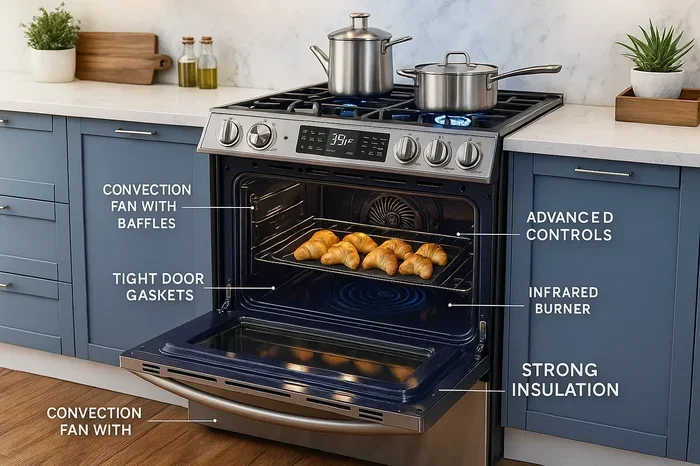
If you have a convection oven, you can bake potatoes even more efficiently. Convection ovens use a fan to circulate hot air, which reduces hot spots and speeds up cooking. But this also means you need to adjust your approach to oven baked potato temperature and time.
Adjusting Time and Temperature for Convection
In a convection oven, reduce the temperature by about 25°F from the conventional setting. So instead of 400°F, bake at 375°F. The circulating air cooks the potato more evenly and often shaves 10-15 minutes off the total bake time.
Because convection ovens dry out food faster, you might want to skip the oil or use a lighter coating. Over-baking is a risk if you simply apply conventional times. Start checking for doneness at the 30-minute mark for medium potatoes. The fork test still works perfectly in a convection oven.
Using a Potato Rack for Even Heat
Whether you’re using a conventional or convection oven, a potato rack can improve results. These small wire racks elevate the potato off the baking sheet, allowing air to flow underneath. This promotes even browning on all sides and prevents the bottom from getting soggy.
A potato rack is especially helpful when you’re baking multiple potatoes. Without a rack, potatoes sitting directly on a sheet can steam against each other, leading to uneven baked potato temperature and time and soft spots. A simple wire rack costs just a few dollars and makes a big difference.
Common Mistakes That Ruin Oven Baked Potatoes
Even with the right temperature and time, certain mistakes can sabotage your baked potato. Knowing what to avoid helps you troubleshoot and improves your results every time.
Skipping the Pierce
This is the number one mistake. A potato that isn’t pierced can explode in the oven, making a mess and potentially damaging the interior texture. Always fork the potato several times before it goes into the oven. It takes seconds and saves you from a potato disaster.
Overcrowding the Pan
Baking too many potatoes at once blocks airflow and creates uneven cooking. If you need to bake a large batch, use multiple baking sheets or rotate the pans halfway through. Crowding also increases bake time and can leave some potatoes undercooked while others overcook.
Wrong Potato Size or Variety
Using potatoes that are all different sizes leads to inconsistent results. Small potatoes will be done long before large ones. Try to choose potatoes of similar size for even oven baked potato temperature and time. Also, avoid waxy varieties if you want a fluffy interior. Stick with russets or Yukon Golds for the best baking experience.
Cutting Too Early
Once your potato is done, resist the urge to cut it open immediately. Let it rest for 5 minutes. This allows the steam inside to redistribute, which makes the interior fluffier and prevents a gummy texture. Cutting too early releases steam too fast and can make the potato feel wet.
Adding Toppings Too Early
If you’re loading your potato with cheese, bacon, or sour cream, add those toppings in the last 5-10 minutes of baking. Adding them too early can cause them to burn or melt unevenly. A hot potato melts cheese quickly, so a short finish time is all you need.
Serving and Storing Your Baked Potato
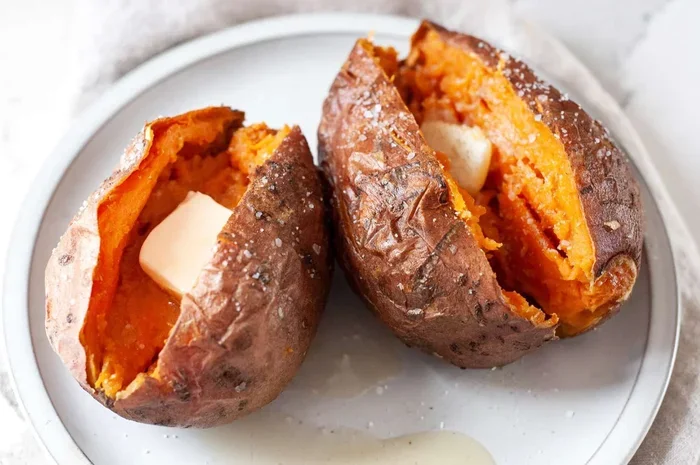
Once your oven baked potato is done, the fun part is loading it up. Classic toppings include butter, sour cream, chives, shredded cheese, and bacon bits. For a heartier meal, add steamed broccoli and a drizzle of ranch dressing. The possibilities are endless.
If you have leftovers, let the potato cool completely before storing. Place it in an airtight container and refrigerate for up to 3 days. To reheat, use the oven or microwave. Reheating in the oven at 350°F for 10-15 minutes helps restore the crispy skin, which is often lost in the microwave.
You can also bake potatoes ahead of time and reheat them later. This is a great strategy for meal prep. Simply bake the potatoes at the right oven baked potato temperature and time, let them cool, and store them in the fridge. When you’re ready to eat, reheat them and add fresh toppings for a quick, satisfying meal.
Mastering oven baked potato temperature and time is one of the simplest kitchen skills you can develop. With the right temperature, a little patience, and a few smart prep tricks, you can serve baked potatoes that rival any restaurant. The next time you’re planning a dinner, don’t overlook this humble side dish. Give it the attention it deserves, and you’ll be rewarded with crispy, fluffy, perfectly baked potatoes every time.
Frequently Asked Questions
What is the best temperature to bake a potato?
The best temperature for baking a potato is 400°F. This heat creates crispy skin while cooking the inside to a fluffy, tender texture. You can adjust slightly based on your oven and preferences, but 400°F is the most reliable starting point for perfect oven baked potato temperature and time.
How long does it take to bake a potato at 400°F?
At 400°F, a medium potato takes about 45-55 minutes, while a large potato may need 60-75 minutes. Small potatoes bake faster, in 30-40 minutes. Always use the fork test to check doneness, and remember that oven baked potato temperature and time vary with size and oven type.
Should I wrap my potato in foil?
Wrapping in foil steams the potato, resulting in softer skin. For crispy skin, skip the foil and bake the potato directly on the oven rack or a baking sheet. Foil is useful if you need to keep potatoes warm for a long time, but it changes the texture. For the best baked potato temperature and time results, go foil-free.
Can I bake potatoes at 350°F instead?
Yes, you can bake potatoes at 350°F, but it takes longer. Expect an extra 15-25 minutes compared to 400°F. The lower temperature yields softer skin and a more gently cooked interior. If you choose 350°F, adjust your oven baked potato temperature and time expectations accordingly.
How do I know when a baked potato is done?
The fork test is the easiest method. Insert a fork into the center; if it slides in smoothly with no resistance, the potato is done. You can also use a meat thermometer; the internal temperature should reach 205-210°F. Let the potato rest for a few minutes after baking for the fluffiest texture.
Does potato size affect baking time?
Absolutely. Smaller potatoes bake in 30-40 minutes, medium ones take 45-55 minutes, and large potatoes can need 60-75 minutes at 400°F. Always choose potatoes of similar size for even cooking, and adjust your oven baked potato temperature and time based on the size of the spud.
=== CONCLUSION ===
Getting the oven baked potato temperature and time right is simpler than most people think. Bake at 400°F, give your potato enough time based on its size, and skip the foil for the best skin. With a little prep and attention, you can pull out fluffy, crispy-skinned potatoes that steal the show at any meal. Keep these tips in mind, and you’ll never have a disappointing baked potato again.