What Is Good To Clean Oven With Baking Soda And Vinegar
Baking soda and vinegar are the ultimate what is good to clean oven with baking soda and vinegar combo for a deep, chemical-free clean. This powerful pair dissolves grease, lifts baked-on food, and leaves your oven smelling fresh. You’ll save money and avoid toxic fumes with this simple homemade solution.
If you are looking for a powerful, non-toxic way to clean your oven, what is good to clean oven with baking soda and vinegar is the answer you have been searching for. Many people reach for harsh chemical sprays, but these can leave behind fumes and residues that affect your food. A homemade cleaner made from baking soda and vinegar is safe, effective, and already in your kitchen pantry.
This guide will walk you through everything you need to know about cleaning your oven with baking soda and vinegar. You will learn the science behind this cleaning combo, a step-by-step method, how to handle tough stains, and expert tips for keeping your oven spotless. Whether you have a standard oven or a convection model, these techniques work beautifully.
By the end, you will feel confident tackling grease and baked-on food without any toxic products. Let us dive into the simplest and most reliable oven cleaning hack there is.
Key Takeaways
- Baking soda and vinegar are safe, natural cleaners: They cut through oven grease without harsh chemicals.
- The cleaning paste is easy to make: Just mix baking soda with water and spray vinegar for a fizzy reaction.
- Regular maintenance prevents buildup: A quick wipe after each use keeps your oven sparkling.
- Tough stains need extra time: Let the paste sit overnight for baked-on grime.
- You’ll save money: Homemade cleaner costs pennies compared to store-bought products.
📑 Table of Contents
- What Is Good To Clean Oven With Baking Soda And Vinegar? The Complete Guide
- The Simple Step-by-Step Oven Cleaning Method
- How to Tackle Tough Baked-On Grease
- Quick Tips for Maintaining a Sparkling Oven
- Common Mistakes to Avoid When Cleaning Your Oven
- Expert Insights: Natural vs Commercial Oven Cleaners
- Conclusion
What Is Good To Clean Oven With Baking Soda And Vinegar? The Complete Guide
The combination of baking soda and vinegar has been a household cleaning staple for generations. It is one of the most effective oven cleaning with baking soda and vinegar methods you can use at home. This natural duo is gentle on surfaces but tough on grease, making it the perfect choice for a deep clean.
Unlike commercial sprays that contain lye and volatile organic compounds, this homemade solution uses food-safe ingredients. You do not need to open windows or wear gloves. It is truly one of the best oven cleaning hacks for a sparkling kitchen.
The Science Behind the Fizz
Baking soda is a base, and vinegar is an acid. When they meet, they neutralize each other and produce carbon dioxide bubbles. These tiny bubbles act like a gentle scrubber, breaking down food residue and grease without scratching your oven walls. This reaction is what makes what is good to clean oven with baking soda and vinegar so powerful.
The fizzing action lifts dirt from the surface, allowing you to wipe it away easily. This natural oven cleaning method is especially effective on baked-on carbonized food that has been stuck for days.
Why This Combo Beats Chemical Cleaners
Commercial oven cleaners often contain harsh solvents that can irritate your skin, lungs, and eyes. They also leave behind chemical fumes that can taint your food. In contrast, baking soda and vinegar are food-safe and leave no toxic residue. You can use them with confidence knowing your oven is truly clean.
Quick Tip: Always use white distilled vinegar for cleaning. It is inexpensive and works perfectly. Apple cider vinegar can leave a slight color, so stick to clear vinegar for the best results.
The Simple Step-by-Step Oven Cleaning Method
Cleaning your oven with baking soda and vinegar is surprisingly easy. You do not need any special tools or expensive products. Follow these simple steps for a sparkling clean oven interior.
What You Will Need
- Baking soda (about 1/2 cup)
- White vinegar (about 1 cup)
- Warm water
- A spray bottle
- A soft cloth or sponge
- A plastic spatula or old toothbrush
Step 1: Make the Baking Soda Paste
In a small bowl, mix baking soda with a few tablespoons of warm water. Stir until it forms a thick, spreadable paste. The consistency should be like toothpaste. If it is too thick, add a little more water. This paste will be your primary baking soda cleaner for cutting through grease.
Step 2: Apply and Let It Sit
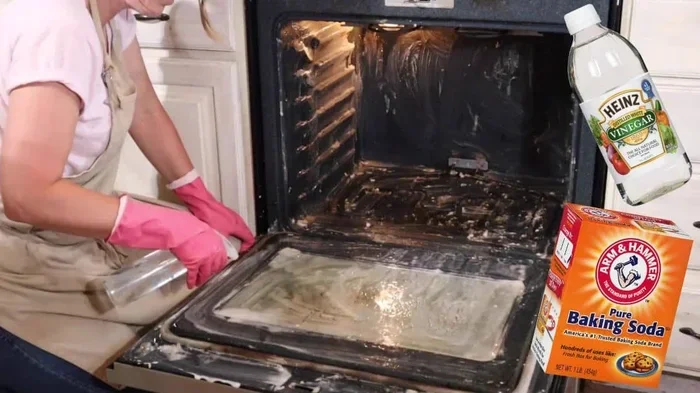
Remove the oven racks. Using a cloth or sponge, spread the baking soda paste evenly over the interior walls and floor of the oven. Avoid the heating elements. Focus on areas with heavy grease or baked-on food. Let the paste sit for at least 12 hours or overnight. This gives it time to penetrate and soften the grime.
Expert Insight: For extremely dirty ovens, apply a second layer of paste after the first has dried slightly. This double-layer method boosts the cleaning power for the deep clean oven process.
Step 3: Spray Vinegar and Wipe Clean
After the paste has had time to work, fill a spray bottle with white vinegar. Spray the vinegar over the baking soda paste. You will see it fizz and bubble. This reaction loosens any remaining dirt. Wait a few minutes, then wipe everything away with a damp cloth. Rinse the cloth frequently and wipe until all residue is gone.
Once the surface is clean, spray the interior with a solution of warm water and a splash of vinegar. Wipe again with a fresh damp cloth. This final rinse neutralizes any remaining baking soda and leaves a fresh, clean scent. Your oven is now ready for use.
How to Tackle Tough Baked-On Grease
Sometimes, oven grime is stubborn and refuses to budge with a simple paste. Baking soda and vinegar can still handle the toughest jobs if you use the right techniques. This grease removal method is perfect for ovens that have not been cleaned in months.
The Overnight Soak Method
For baked-on grease that has been building up for weeks, apply a thicker layer of baking soda paste. Make it almost like a spreadable cement. Spray vinegar over it and let it sit overnight. The fizzy reaction will work its magic for hours. In the morning, the grease should wipe away with minimal scrubbing.
This method is a true oven cleaning hack that saves you from hours of elbow grease. It is the go-to solution for neglected ovens.
Using Steam for Stubborn Stains
Steam is a great helper for loosening baked-on food. Before applying the baking soda paste, place an oven-safe dish filled with hot water on the bottom rack. Turn the oven on to 200°F (93°C) for 10 minutes. The steam will soften the grime. Then turn off the oven and apply your cleaning paste. This two-step process makes even the oldest stains easier to remove.
Quick Tip: For extra grease-cutting power, add a few drops of dish soap to your baking soda paste. This adds surfactants that help lift oil without harsh chemicals. The result is a sparkling oven with very little effort.
Quick Tips for Maintaining a Sparkling Oven
Prevention is the best cure. A little regular care keeps your oven clean and reduces the need for deep cleaning sessions. These simple habits make oven maintenance a breeze.
Clean Spills Immediately
When food bubbles over, wipe it up as soon as the oven cools down. Do not let spills sit and bake into carbonized crust. A quick wipe with a damp cloth after each use can save you hours of scrubbing later. This is the easiest way to keep your oven door and interior looking new.
Regular Oven Maintenance Schedule
Set a reminder to give your oven a light cleaning every two weeks. A quick wipe with a vinegar-water solution keeps the interior fresh. For a deeper clean, use the baking soda paste once a month. This routine prevents buildup and keeps your oven running efficiently.
Keeping your oven clean also improves cooking performance. A dirty oven can affect heat distribution and even cause smoke. If you are planning a big cook, like how to finish ribs in oven after smoking, you will want a spotless oven for the best results.
Common Mistakes to Avoid When Cleaning Your Oven
Even with a natural cleaner, people make mistakes that can damage their oven or reduce cleaning effectiveness. Here are the pitfalls to avoid when using what is good to clean oven with baking soda and vinegar.
Using Abrasive Scrubbers
Never use steel wool or harsh scouring pads on your oven interior. These can scratch the enamel or non-stick surfaces, making them more prone to staining in the future. Stick to soft cloths, sponges, or an old toothbrush for gentle scrubbing. The baking soda paste is mildly abrasive on its own, so you do not need extra harsh tools.
Skipping the Rinse
After wiping away the baking soda and vinegar, always rinse the interior with a clean damp cloth. Residual baking soda can leave a white film. It can also affect the taste of your food if not fully removed. A thorough rinse ensures a truly clean surface and prevents any white residue from burning during your next cook.
Common Mistake: Using too much vinegar at once. The fizzy reaction is great, but dousing the oven with vinegar can neutralize the baking soda before it has time to penetrate the grease. Spray lightly and let the reaction do the work. A little goes a long way in oven interior cleaning.
Expert Insights: Natural vs Commercial Oven Cleaners
When it comes to oven cleaning, you have two main choices: natural homemade solutions or store-bought chemical cleaners. Both have their place, but understanding the differences helps you make the best choice for your home.
Cost Comparison
Baking soda and vinegar cost just a few dollars and last for many cleaning sessions. A single box of baking soda and a bottle of vinegar can clean your oven dozens of times. Commercial oven cleaners, on the other hand, can cost $5 to $15 per can and often require multiple applications for tough jobs. Over time, the natural method saves a significant amount of money.
Safety and Environmental Impact
Chemical oven cleaners release fumes that can be harmful to breathe. They also end up in the water supply when washed down the drain. Baking soda and vinegar are biodegradable and non-toxic. They are safe for homes with children and pets. You can feel good about using a method that is gentle on the environment.
| Feature | Baking Soda & Vinegar | Commercial Cleaner |
|---|---|---|
| Cost per use | Pennies | $5-$15 per can |
| Toxic fumes | None | Strong chemical fumes |
| Time to work | Overnight soak | 15-30 minutes |
| Surface safety | Safe for all surfaces | Can damage enamel |
| Environmental impact | Biodegradable | Chemical runoff |
While commercial cleaners work faster on heavy buildup, the natural method is safer and more economical for regular maintenance. For most households, what is good to clean oven with baking soda and vinegar is the clear winner. It is the best non-toxic oven cleaner you can make at home.
For more oven inspiration and useful guides, check out these popular posts:
- How to finish ribs in oven after smoking
- How long to roast pumpkin seeds in oven
- How long do chicken kebabs take in the oven
Conclusion
In conclusion, what is good to clean oven with baking soda and vinegar is a simple, effective, and safe method that every home cook should know. It uses pantry staples to deliver a deep clean without the dangers of harsh chemicals. The fizzing reaction between baking soda and vinegar lifts grease and grime effortlessly, leaving your oven sparkling and fresh.
By following the step-by-step method and avoiding common mistakes, you can keep your oven in top condition all year round. Regular maintenance with this natural oven cleaning solution saves time, money, and protects your family’s health. Start your next cleaning session with baking soda and vinegar, and feel the difference a truly clean oven makes.
Embrace this easy oven cleaning hack and enjoy the confidence of a spotless kitchen. Your oven will thank you, and your food will taste better for it.
Frequently Asked Questions
Can I use baking soda and vinegar in a self-cleaning oven?
It is best to avoid any cleaning method during the self-cleaning cycle. After the cycle cools, you can use the baking soda and vinegar paste for any remaining residue. The self-cleaning cycle uses high heat to incinerate food, so the natural paste works well for post-cycle wiping.
How long should I let the baking soda paste sit?
For light cleaning, 30 minutes is enough. For tough baked-on grease, let it sit overnight. The longer it sits, the easier the grime wipes away. Patience is the key to a successful oven cleaning with baking soda and vinegar session.
Is it safe to use vinegar on all oven surfaces?
Yes, white vinegar is safe on enamel, glass, and stainless steel oven interiors. Avoid using it on natural stone or marble surfaces, as the acid can etch them. Always test a small hidden area first if you are unsure.
Can I use apple cider vinegar instead of white vinegar?
You can, but white distilled vinegar is preferred. It is clear and leaves no residue or color. Apple cider vinegar may leave a slight tint or smell, so white vinegar gives the best results for a sparkling oven.
Will the vinegar smell linger in my oven?
The vinegar smell dissipates quickly as it dries. Once you wipe and rinse, any odor is gone. The fresh scent of vinegar is much better than the lingering chemical fumes from commercial cleaners.
How often should I deep clean my oven with this method?
A deep clean every 1-2 months is usually sufficient. If you cook frequently or have a lot of spills, you may need it monthly. Regular light cleaning between deep cleans keeps the oven in great shape and reduces the need for heavy scrubbing.