What Temperature Should The Oven Be To Keep Food Warm
The best oven temperature to keep food warm is between 170°F and 200°F. This low range prevents drying while maintaining food safety. Using the right warming setting keeps meals flavorful and ready to serve for your family or guests.
Keeping food warm in the oven seems simple, but there is more to it than just turning a dial. Whether you are hosting a dinner party or preparing meals ahead of time, knowing the right oven temperature to keep food warm makes all the difference. The wrong heat level can dry out your dishes or even create food safety risks. In this guide, we will walk you through everything you need to know about warming food in the oven the right way.
From meats to side dishes and baked goods, each type of food responds differently to heat. The good news is that once you learn the basics, it becomes second nature. You will also discover practical tips, common mistakes to avoid, and expert-backed techniques that anyone can use. Let us dive in and make sure your next meal stays warm, moist, and delicious.
Key Takeaways
- 200°F is the sweet spot: Most foods stay warm and safe at this temperature without overcooking.
- Always use a food thermometer: Keep internal food temperature above 140°F to avoid bacterial growth.
- Cover dishes with foil: This traps moisture and prevents food from drying out in the oven.
- Different foods need different warming times: Meats, sides, and baked goods all have unique needs.
- Avoid the danger zone: Never leave food between 40°F and 140°F for more than two hours.
- A warming drawer or low oven setting works wonders: Both are great options for holding food at serving temperature.
📑 Table of Contents
- Why Temperature Matters When Keeping Food Warm
- The Best Oven Temperature to Keep Food Warm
- How to Keep Food Warm in the Oven Without Drying It Out
- Different Foods, Different Warming Needs
- Common Mistakes People Make When Warming Food in the Oven
- Pro Tips for Perfectly Warm Food Every Time
- Final Thoughts on Keeping Food Warm in the Oven
Why Temperature Matters When Keeping Food Warm
Temperature control is the foundation of keeping food warm safely. When food sits at the wrong temperature for too long, bacteria can grow rapidly. This is especially true for dishes that contain meat, dairy, or eggs. Understanding food warming temperature basics helps you protect your family and guests.
Many home cooks underestimate how quickly food quality declines when warming is done incorrectly. A dish that starts out perfectly cooked can become rubbery, dry, or bland if exposed to too much heat. On the other hand, warming at too low a temperature may leave food sitting in the danger zone where harmful bacteria thrive. Finding the balance is the key to both safety and great taste.
The Danger Zone for Food Safety
The USDA defines the food danger zone as any temperature between 40°F and 140°F. In this range, harmful bacteria multiply quickly. If your food cools down into this zone and stays there for more than two hours, it is no longer safe to eat. This is why setting your oven to the correct holding temperature is so important.
Many people think that as long as food feels warm to the touch, it is safe. But feeling is not a reliable measure. A simple oven thermometer placed inside your oven can help you monitor the actual temperature. This small tool is a game changer for anyone who regularly warms food in the oven. It removes guesswork and gives you confidence that your meals are safe to serve.
Another factor to consider is how long the food will sit before serving. If you are preparing a large holiday meal, dishes may need to wait 30 minutes or more before everyone sits down. During that time, the oven must maintain a steady, safe warmth. This is why setting the right warming oven temperature from the start matters so much.
The Best Oven Temperature to Keep Food Warm
So, what is the ideal oven temperature to keep food warm? Most experts agree that a range of 170°F to 200°F works best for the vast majority of dishes. This low heat keeps food at a safe serving temperature without cooking it further or drying it out. The goal is to maintain warmth, not to continue cooking the food.
Recommended Temperature Range
Here is a quick breakdown of the best warming temperatures for different scenarios:
- 170°F: Great for delicate dishes like casseroles and creamy sauces that can curdle or break at higher heat.
- 180°F to 190°F: The most versatile range. Works well for roasted vegetables, side dishes, and most prepared meals.
- 200°F: Ideal for meats and heartier dishes that need to stay warm for a longer period before serving.
If you are wondering how long to keep food in the oven at these temperatures, it depends on the dish. For example, if you are preparing chicken kebabs ahead of time, you can hold them in the oven at 200°F for up to 30 minutes without significant quality loss. Just make sure they were fully cooked before placing them in the warming oven. For more details on cooking times for kebabs, check out our guide on how long chicken kebabs take in the oven.
Why 200°F Works Best for Most Foods
The 200°F mark hits a sweet spot. It is hot enough to keep food out of the danger zone but cool enough to prevent overcooking. At this temperature, the oven provides gentle, consistent heat that warms food evenly from edge to center. Most home ovens maintain this setting reliably without hot spots or temperature swings.
Some ovens have a dedicated “warm” setting, which typically hovers around 170°F to 200°F. If your oven has this feature, it is worth using. However, not all ovens calibrate this setting accurately. An oven can display 170°F on its dial while actually running at 200°F or higher. This is why using an oven thermometer to verify is always a smart move.
For those who use commercial ovens, the principles remain the same. Even a commercial electric pizza oven can be set to a low warming temperature for holding dishes. If you are curious about commercial oven settings and capabilities, our electric pizza oven commercial guide covers this in more detail.
How to Keep Food Warm in the Oven Without Drying It Out
Keeping food warm is one challenge. Keeping it moist and flavorful is another. Dried-out food is one of the most common complaints when warming dishes in the oven. The good news is that a few simple techniques can solve this problem and preserve the texture and taste of your meals.
Use Foil and Covers
The easiest way to lock in moisture is to cover your dish with aluminum foil. Foil creates a seal that traps steam and prevents the surface of your food from drying out. This works especially well for roasted meats, casseroles, and baked pasta dishes. The steam circulates inside the foil cover and keeps the food tender.
When covering dishes with foil, make sure the shiny side faces inward. The shiny side reflects heat back toward the food, helping it warm more evenly. For extra moisture retention, you can also place a damp paper towel under the foil cover before putting the dish in the oven. This adds a layer of humidity that works wonders for long warming periods.
Add Moisture Techniques
Another effective method is to add a small amount of liquid to your dish before warming. For example, drizzling a little broth, stock, or olive oil over roasted vegetables before placing them in the oven helps them stay juicy. The same principle applies to meats. A light brush of sauce or marinade before warming keeps the surface tender and flavorful.
You can also place a small oven-safe dish of water on the rack below your food. This adds humidity to the oven environment, which prevents dehydration. This technique works wonders for keeping dishes warm during long gatherings or buffet-style meals where food needs to sit out for an extended period.
For baked goods like bread rolls or dinner rolls, a slightly different approach works best. Wrap them loosely in foil and warm at 170°F. The gentle heat softens the interior while the foil prevents the crust from becoming hard. This method keeps bread fresh and pillowy for serving.
Different Foods, Different Warming Needs
Not all foods warm the same way. A dense roast needs different treatment than a delicate side dish or a flaky pastry. Understanding these differences helps you get the best results every single time. Below, we break down the best warming approach for each major food category.
Meats and Poultry
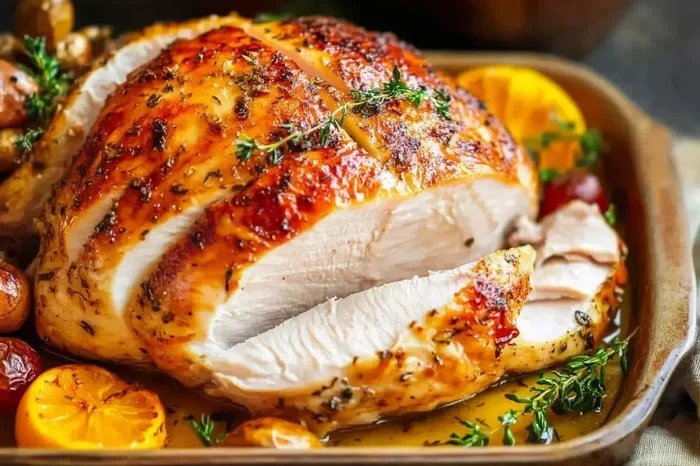
When it comes to warming meats, lower and slower is the way to go. Set your oven to 170°F to 200°F and place the meat in an oven-safe dish covered with foil. This gentle heat warms the interior without toughening the exterior or causing the juices to evaporate.
If you are reheating already-cooked poultry, make sure the internal temperature reaches at least 165°F before serving. Use a meat thermometer to check the thickest part of the meat. For dishes like chicken kebabs, warming them at 200°F for 15 to 20 minutes usually does the trick perfectly. The foil cover prevents the chicken from drying out while the low heat brings it back to serving temperature.
For larger cuts like roast beef or pork loin, plan for a longer warming time of 20 to 30 minutes at 170°F. The dense texture of these meats means they take longer to heat through evenly. Patience here pays off with a juicy, evenly warm result.
Side Dishes and Vegetables
Vegetables and side dishes are more forgiving when it comes to warming temperatures. Most sides do well at 180°F to 200°F. Roasted potatoes, steamed green beans, and grilled asparagus all reheat beautifully at these settings. The key is to keep an eye on them, as vegetables can go from perfectly warm to mushy quickly if left too long.
For dishes like roasted pumpkin seeds or crispy vegetable toppings, a low oven temperature helps maintain their crunch while warming them through. If you are curious about the details of low-temperature oven techniques, check out our guide on how long to roast pumpkin seeds in the oven for more tips.
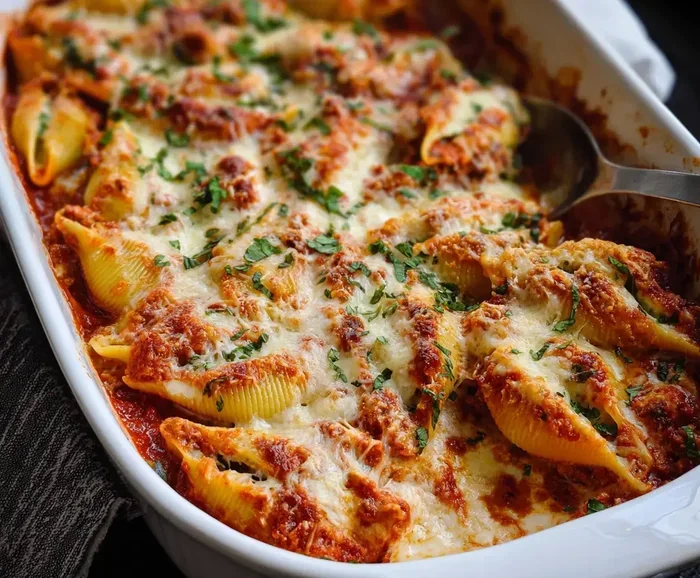
Casseroles and baked pasta dishes also fall into this category. They warm beautifully at 180°F with a foil cover. Remove the foil for the last 5 minutes if you want the top to get slightly crispy. This gives you the best of both worlds: a warm, creamy interior and a lightly browned top.
Breads and Pastries
Breads and pastries need extra care. High heat can make them tough or overly crispy. A temperature of 170°F to 180°F works best for warming baked goods. Wrap them loosely in foil and warm for 10 to 15 minutes. This restores freshness without altering the texture or drying out the crumb.
If you are baking frequently, you already know that bread is all about texture. The wrong warming temperature can turn a soft roll into a hard, stale one. The low oven setting gently reheats the interior while the foil protects the crust. This is especially important for artisan breads and pastries with delicate crusts.
For those who work with commercial ovens, understanding warming settings is equally important. An electric pizza oven can also double as a warming station for breads and pastries at low settings. If you are interested in commercial oven capabilities, our electric pizza oven commercial guide provides professional-grade insights.
Common Mistakes People Make When Warming Food in the Oven
Even experienced cooks make mistakes when it comes to warming food in the oven. Knowing what to avoid saves time, food, and frustration. Here are the most common errors and how to fix them.
Setting the Temperature Too High
The most common mistake is using too high a temperature. Some people set the oven to 300°F or higher thinking it will warm food faster. But this approach often leads to overcooked edges and a cold center. High heat dries out food quickly and can ruin the texture of sensitive dishes like sauces, custards, and creamy casseroles.
Patience is key. Low and slow warming preserves both the safety and the quality of your food. If you need food warm quickly, consider using a stovetop or microwave for the initial heating, and then transfer to the oven to hold at serving temperature. This two-step approach gives you the best of both worlds: fast heating and gentle holding.
Leaving Food in the Oven Too Long
Another mistake is leaving food in the warming oven for hours. Even at the right temperature, extended warming times can degrade food quality. Most dishes are best when held in the oven for no more than 30 to 45 minutes. After that, the texture and flavor start to decline. Vegetables become mushy, meats lose their juiciness, and sauces may separate.
If you are preparing a large meal with multiple dishes, stagger your warming times. Start with dishes that need the longest warming time and add others closer to serving. This keeps everything fresh and at peak quality. It also prevents the common scenario where one dish is perfect while another has been over-warmed.
Skipping the Thermometer
Many home cooks skip using an oven thermometer, assuming the oven dial is accurate. But most oven dials can be off by 25°F or more. This means your oven might be at 225°F when you set it to 200°F, which can overcook or dry out your food without you even realizing it.
Investing in a simple oven thermometer costs just a few dollars and takes the guesswork out of warming food. Place it on the middle rack and check the reading before you put your dishes in. Once you know how your oven actually performs, you can adjust your settings accordingly and get consistent results every time.
Not Preheating the Oven
Some people skip preheating when warming food, thinking it does not matter since the temperature is low. But preheating ensures the oven is at the correct temperature before your food goes in. Without preheating, your food sits in a gradually warming oven for extra time, which can affect texture and safety.
Take the extra 5 to 10 minutes to preheat. It makes a noticeable difference in how evenly and quickly your food warms up. This small habit is one of the easiest ways to improve your warming results.
Pro Tips for Perfectly Warm Food Every Time
Now that you know the basics, here are some expert-level tips that will take your food warming game to the next level. These are the little tricks that professional kitchens use to keep food at its best.
- Preheat the oven: Always preheat to your warming temperature before placing food inside. This ensures even heat from the very start.
- Use shallow dishes: Shallow, wide dishes warm more evenly than deep, narrow ones. The heat reaches the center faster and more uniformly.
- Stir sauces and soups: Give sauces and soups a stir halfway through warming to distribute heat evenly and prevent hot spots from forming.
- Rest food before warming: Let cooked food cool slightly before placing it in the warming oven. Putting piping-hot food in a hot oven can overcook the edges while the center stays cold.
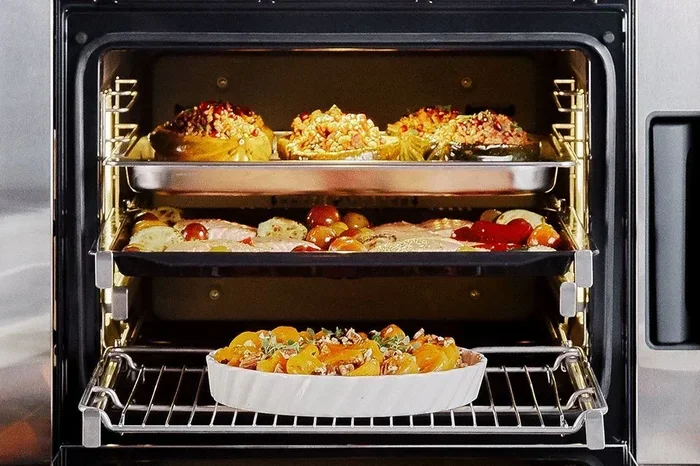
- Layer strategically: If warming multiple dishes at once, place denser items on the lower rack and lighter items on the upper rack. Heat rises, so the top rack is slightly warmer.
- Check food frequently: Peek at your dishes every 10 to 15 minutes. This helps you catch any issues early and adjust as needed before food quality suffers.
- Use a double-boiler method for sauces: Place your sauce container inside a larger dish of warm water in the oven. This gentle, indirect heat prevents curdling and separation.
For those who love oven cooking in general, you might also enjoy learning more about different oven techniques. If you are curious about cooking frozen fries, our guide on how to cook frozen fries in an air fryer oven offers great insights into oven temperature management and how to achieve perfect results at various heat levels.
Similarly, if you ever need to warm seafood like oysters, understanding oven timing is essential. Our article on how long to cook oysters in the oven provides helpful context for low-temperature oven use with delicate foods that can dry out quickly.
Final Thoughts on Keeping Food Warm in the Oven
The right oven temperature to keep food warm is simpler than most people think. Stick to the 170°F to 200°F range, use foil to retain moisture, and always check with a thermometer. These basic steps ensure your food stays safe, moist, and delicious every single time you put it in the oven.
Whether you are preparing a holiday feast, hosting a casual dinner, or just meal prepping for the week, these warming techniques will serve you well. Practice makes perfect, and soon you will be able to warm any dish with confidence. Your guests will notice the difference, and your leftovers will taste just as good as the first serving.
Remember, the goal is not just to heat food but to maintain its quality from oven to table. With the right temperature, the right tools, and a little attention, you can keep every dish at its best. Happy warming, and enjoy your meals!
Frequently Asked Questions
What is the lowest oven temperature to keep food warm?
The lowest recommended oven temperature to keep food warm is around 170°F. This setting is gentle enough to avoid overcooking while keeping food safely above the danger zone. Always use an oven thermometer to verify the actual temperature inside your oven.
Can I leave food in the oven overnight on a low setting?
It is not recommended to leave food in the oven overnight, even on a low setting. Most experts advise discarding food that has been held at warming temperatures for more than four hours. For food safety, only warm food for 30 to 45 minutes before serving and do not reheat the same dish multiple times.
What temperature should I use to keep pizza warm?
To keep pizza warm, set your oven to 170°F to 200°F. Place the pizza on a baking sheet lined with foil to prevent the crust from drying out. This low temperature keeps the cheese melted and the crust warm without becoming overly crispy or tough.
Is it safe to warm food in the oven for a buffet?
Yes, it is safe as long as you maintain the proper temperature. Keep your oven at 170°F to 200°F and use foil covers to retain moisture. For extended buffet service, refresh dishes in batches rather than leaving one dish in the oven for hours. An oven thermometer helps you monitor this easily and keep everything in the safe zone.
Do I need to cover food when warming it in the oven?
Covering food is highly recommended when warming it in the oven. Foil or an oven-safe lid traps steam and prevents drying. This is especially important for meats, casseroles, and dishes with sauces. However, leave baked goods like bread slightly uncovered to maintain their crust texture and avoid becoming soggy.
How can I tell if my oven is at the right warming temperature?
The best way to check is with an independent oven thermometer placed on the middle rack. Many oven dials are inaccurate and can be off by 25 degrees or more. An oven thermometer is inexpensive and gives you precise readings so you can warm food confidently and safely every time.
=== CONCLUSION ===
Knowing the right oven temperature to keep food warm is one of the simplest yet most valuable kitchen skills you can develop. The ideal range of 170°F to 200°F works for almost any dish, from roasted meats to side dishes and baked goods. By using foil, adding moisture, and monitoring with a thermometer, you can serve warm, delicious food every single time.
Avoid common mistakes like setting the temperature too high or leaving food in the oven too long. With the tips and techniques in this guide, you are now equipped to handle any warming challenge with confidence. Put this knowledge to work in your kitchen and enjoy perfectly warm meals with every occasion. Your food will taste better, and your guests will thank you for it.