Why Is A Convection Oven Better Than A Regular Oven
So why is a convection oven better than a regular oven? It uses a fan to circulate hot air, which means faster cooking, even browning, and crispy results every time. Convection ovens save time, energy, and give you more consistent meals. Whether you are baking or roasting, switching to convection mode can transform your cooking experience.
Have you ever wondered why a convection oven is better than a regular oven? Maybe you have been eyeing one at the store. Or perhaps a friend keeps raving about their convection oven results. Whatever the reason, you are in the right place.
Today, we are diving deep into the world of convection ovens vs regular ovens. We will look at the real differences. We will explore the benefits. And we will answer the big question: is a convection oven really worth it? By the end, you will have a clear picture of why so many home cooks are making the switch.
The short answer? Yes. A convection oven delivers faster, more even cooking. It gives you crispier skin on your roast chicken. It bakes cookies evenly on every rack. And it saves you time and energy. Let us break it all down.
Key Takeaways
- Faster Cooking: Convection ovens cook food up to 25% faster than a regular oven.
- Even Heat Distribution: The fan eliminates hot spots, so every dish cooks uniformly.
- Energy Efficient: Shorter cooking times mean lower energy bills over time.
- Better Browning and Crispiness: Circulated air creates perfectly golden, crunchy exteriors.
- Versatile Cooking: You can bake, roast, dehydrate, and broil with excellent results.
- Multiple Rack Cooking: Cook several dishes at once without flavor transfer or uneven results.
- Easy to Master: With a few simple adjustments, anyone can use a convection oven effectively.
📑 Table of Contents
What Makes a Convection Oven Different
At first glance, a convection oven looks just like a regular oven. But inside, there is a key difference. A fan and exhaust system work together to move hot air around the cooking chamber.
A conventional oven relies on static heat. The heating element at the bottom or top warms the air. But that heat just sits there. It rises unevenly. It creates hot spots. Some parts of your food get burned while other parts stay raw.
A fan-forced oven changes all of that. The fan blows hot air over and around your food. This constant air circulation wraps every surface in heat. The result? More even heat distribution and much better cooking.
The Role of the Fan
The fan in a convection oven is the star of the show. It pushes hot air across the food and out through the back. This creates a continuous loop of warm air. Think of it like a gentle, steady breeze inside your oven.
This air circulation does three important things. First, it speeds up cooking. Second, it removes the thin layer of cool air around your food. Third, it helps food brown more evenly. That is why convection cooking gives you such great results.
How a Regular Oven Works
A traditional oven uses radiant heat. The heating element gets hot. It radiates warmth upward and outward. The air inside the oven slowly heats up. But it does not move much.
This means the top of your oven is hotter than the bottom. The back near the heating element is hotter than the front. When you bake a tray of cookies, the ones in the back might burn while the ones in the front stay pale. This is a common frustration with regular oven cooking.
Benefits of Using a Convection Oven
Now that you understand the basic difference, let us look at the real-world benefits of convection ovens. These are the reasons people love them so much.
Faster Cooking Times
One of the biggest advantages is speed. Convection ovens cook food about 25% faster than a regular oven. The moving hot air transfers heat to your food more efficiently. Your meals come together quicker.
This is a huge time-saver on busy weeknights. You can roast a chicken in less time. You can bake a casserole without waiting as long. Over time, those saved minutes add up to hours in your kitchen.
Even Cooking Results
Hot spots are the enemy of good cooking. A convection oven eliminates most of them. The fan keeps the air moving. Every part of your dish gets the same amount of heat.
This means no more rotating pans halfway through. No more rotating trays. Your food cooks consistently from edge to center. This is especially helpful when you are baking cookies or roasting vegetables on multiple racks.
Better Browning and Crispiness
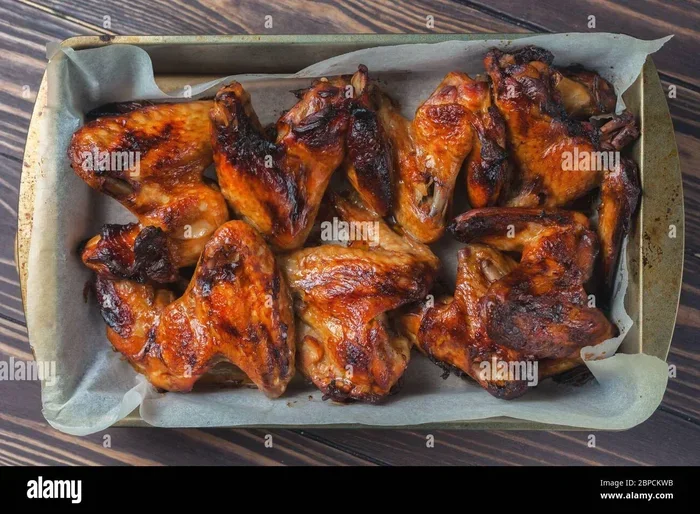
Do you love crispy skin on your roast chicken? How about perfectly golden fries? A convection oven excels at this. The circulating air pulls moisture away from the surface of your food.
This dehydration effect creates a beautiful, crispy exterior. At the same time, the inside stays moist and tender. You get the best of both worlds. Food browning is more even and more attractive too.
Energy Efficiency
Because convection ovens cook faster, they use less energy. Your oven does not need to run as long. Over weeks and months, this can make a real difference in your electricity bill.
Shorter cooking times also mean less heat buildup in your kitchen. In the summer, this is a nice bonus. Your kitchen stays cooler while you cook. That alone is a reason to consider a fan-forced oven.
Cooking Multiple Dishes at Once
With a conventional oven, you often have to cook in batches. The heat does not reach every rack equally. But a convection oven handles multiple dishes with ease.
The fan pushes air around all the racks. So you can bake a cake on one level and cookies on another. Both will come out perfectly. This is a game-changer for holiday cooking or meal prep.
Convection vs Regular Oven: Key Differences
Let us put the two side by side. Understanding the differences helps you choose the right oven type for your needs.
| Feature | Convection Oven | Regular Oven |
|---|---|---|
| Heat Source | Fan + heating element | Static heating element |
| Air Circulation | Active (fan-driven) | Passive (no fan) |
| Cooking Speed | Faster (about 25% less time) | Standard speed |
| Heat Distribution | Even across all racks | Can have hot spots |
| Browning | Superior, crispier results | Good but less consistent |
| Energy Use | Lower (shorter cook times) | Higher (longer cook times) |
| Best For | Roasting, baking, dehydrating | Cakes, delicate pastries |
| Temperature Setting | Reduce by 25°F | Use recipe temperature |
As you can see, the differences are significant. A convection oven offers clear advantages for most cooking tasks. But there are a few cases where a regular oven still makes sense. We will cover that next.
When to Use Convection Mode
Not every dish benefits from convection cooking. Knowing when to use it makes a big difference in your results.
Great Dishes for Convection
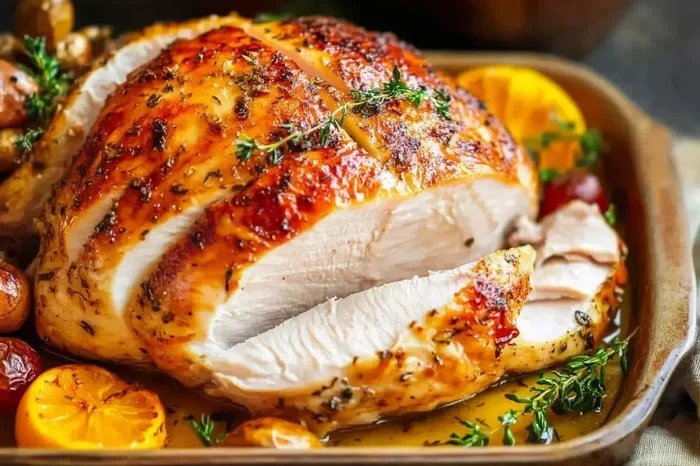
- Roast Chicken: The fan creates crispy skin all around. Your bird comes out golden and juicy.
- Roasted Vegetables: Every piece gets evenly browned and caramelized. No more soggy edges.
- Cookies and Biscuits: Bake multiple trays at once. They all come out evenly done.
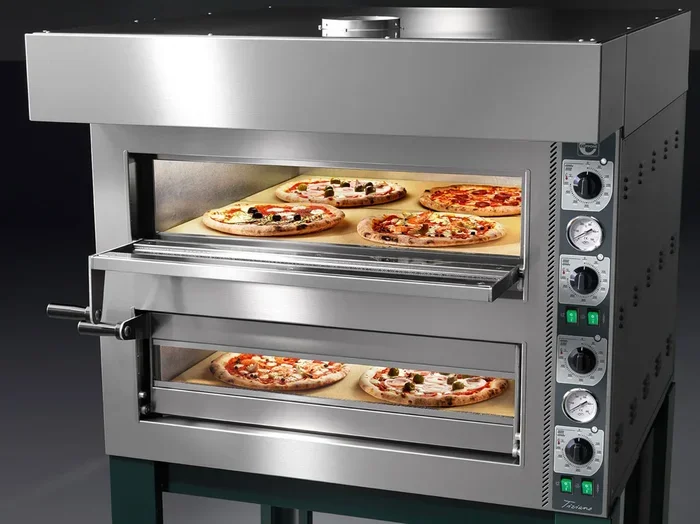
- Pizza: The bottom gets crispy while the top melts perfectly. Better than a regular oven result.
- Dehydrating Fruits and Jerky: The fan removes moisture quickly and evenly.
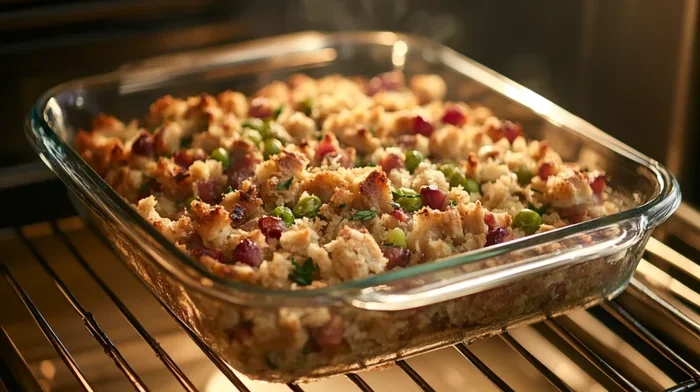
- Casseroles and Lasagna: Cook faster and brown the top evenly.
- Baking Bread: The circulating air creates a better crust.
When to Stick with Regular Mode
Some dishes do better without the fan. Delicate baked goods like soufflés and custards can be disturbed by the air current. The moving air might cause them to rise unevenly or develop a crust too early.
Cakes with thin, fragile layers can also be affected. The fan might cause the top to crack or the layers to tilt. For these items, use the conventional oven setting or turn the fan off.
As a general rule, if your recipe says “do not open the oven door,” it is probably best to use static heat. Trust the recipe for delicate items.
Tips for Getting the Best Results
Using a convection oven is not complicated. But a few simple tips can take your cooking to the next level.
Lower the Temperature
Because convection ovens cook faster and more efficiently, you should reduce the temperature. Most experts recommend lowering it by 25°F (about 15°C) from what the recipe says. This prevents overcooking while still giving you great results.
For example, if a recipe calls for 375°F in a regular oven, set your convection oven to 350°F. The food will cook at the same rate but with better results.
Use Low-Rimmed Baking Sheets
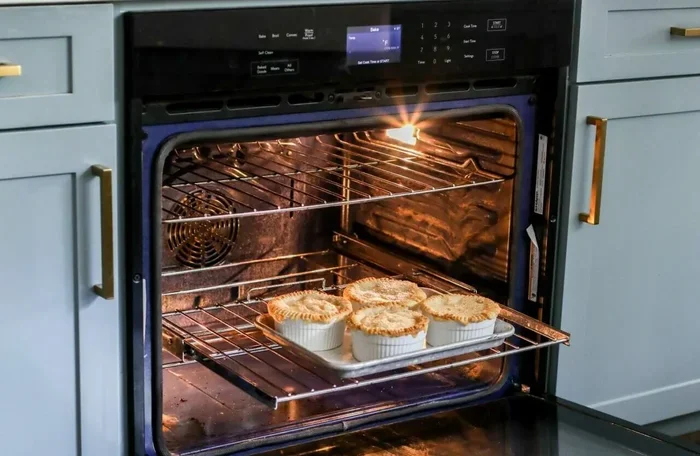
The fan works best when air can flow freely around your food. Use low-rimmed baking sheets and cooking racks. Avoid covering the trays with foil. It blocks the airflow and defeats the purpose of convection cooking.
Do Not Overcrowd the Oven
Even though convection ovens handle multiple racks well, do not overdo it. Leave space between pans. Air needs room to circulate. If you pack the oven full, you will block the airflow and lose the benefits.
Check Food Earlier
Because convection ovens cook faster, start checking your food a few minutes before the recipe suggests. Use a meat thermometer for roasts. Look for visual cues on baked goods. This helps you avoid overcooking.
Use the Right Cookware
Light-colored, lightweight baking pans work best in a convection oven. Dark, heavy pans can absorb too much heat and cause over-browning. If you only have dark pans, reduce the temperature an extra 5°F to compensate.
Preheat Your Oven
Always preheat your convection oven before cooking. This ensures the air inside is already hot when your food goes in. It leads to more consistent cooking results and better browning from the start.
Common Mistakes to Avoid
Even experienced cooks can make mistakes with convection ovens. Here are some pitfalls to watch out for.
Forgetting to Adjust the Temperature
This is the number one mistake people make. They set the temperature the same as they would for a regular oven. The result? Overcooked or burnt food. Always remember to lower the temperature by 25°F.
Using the Wrong Bakeware
Thick, dark baking sheets can cause uneven browning in a convection oven. They absorb too much heat and transfer it directly to the bottom of your food. Stick with light-colored, thin pans for the best results.
Overcrowding the Racks
It is tempting to fit as much as possible in the oven. But blocking the airflow means your food will not cook evenly. Give each pan enough room. The fan needs space to do its job.
Not Adjusting Cook Times
Because convection ovens cook faster, you need to reduce your expected cook time. Start checking your food 10 to 15 minutes earlier than the recipe suggests. This prevents dry, overcooked dishes.
Ignoring the Fan Setting
Some convection ovens have multiple fan speeds or settings. Learn what yours offers. A low fan setting might be better for delicate baked goods. A high fan setting works great for roasting and crisping.
Is a Convection Oven Worth It?
After all this, you might be asking yourself: is a convection oven really worth the investment? The answer depends on your cooking habits and what you value in the kitchen.
If you cook frequently and want better results with less effort, the answer is yes. Convection ovens save time, energy, and deliver more consistent meals. They are especially great for families or anyone who entertains often.
If you rarely bake or roast, a conventional oven might still work fine for you. But even then, a fan-forced oven offers flexibility. You can always turn the fan off when you do not need it.
The best part? Many modern ovens now come with a convection feature built in. You do not need to buy a separate appliance. Check your current oven to see if it has a convection setting. If it does, you are already halfway to better cooking.
Think about the meals you cook most often. Do you roast chicken? Bake cookies? Make pizza? For all of these, a convection oven will give you noticeably better results. The even heat distribution and faster cooking time make a real difference in your kitchen.
Final Thoughts on Why a Convection Oven Is Better
So there you have it. The answer to “why is a convection oven better” comes down to science and simplicity. A fan moves hot air around your food. This creates faster, more even, and more delicious cooking.
Whether you are a beginner or a seasoned cook, a convection oven can elevate your meals. You get crispy roasts, evenly baked cookies, and energy savings. It is one of the best upgrades you can make to your kitchen.
Start experimenting with convection cooking today. Try your favorite roast recipe in convection mode. Notice the difference in browning and texture. Once you see the results, you will understand why so many people prefer a fan-forced oven over a regular oven.
The bottom line is simple. A convection oven works smarter, not harder. It gives you better food in less time. And once you make the switch, you will not want to go back.
Frequently Asked Questions
Can I use my regular recipes in a convection oven?
Yes, but you should adjust the temperature and time. Lower the temperature by 25°F and check for doneness about 10 to 15 minutes earlier. Most recipes can be converted easily with these simple changes.
What is the difference between a convection oven and a regular oven?
A convection oven has a fan that circulates hot air around the food. A regular oven relies on static heat from a heating element. The fan in a convection oven creates more even cooking and faster results.
Is convection mode good for baking cakes?
It can be, but it requires some care. Delicate cakes and soufflés may not rise well with the fan on. For most cakes, using the conventional oven setting or a low fan speed gives the best results. Always test with a small batch first.
Do convection ovens use more energy?
Actually, the opposite is true. Because convection ovens cook faster, they use less energy overall. Shorter cooking times mean lower electricity consumption compared to a regular oven for the same dish.
Can you put aluminum foil in a convection oven?
Yes, but use it sparingly. Covering too much of the oven with foil can block airflow and reduce the benefits of convection cooking. Use foil only to shield parts of food that might over-brown.
What foods are best cooked in a convection oven?
Roast chicken, roasted vegetables, cookies, pizza, bread, and dehydrated snacks all do wonderfully in a convection oven. The circulating air creates crispy exteriors and even cooking for these dishes.
=== CONCLUSION ===
There you have it. A convection oven is better than a regular oven in almost every way. It cooks faster, heats more evenly, and delivers better browning and crispiness. The energy savings are a nice bonus too.
Whether you are roasting a Sunday dinner or baking a weeknight batch of cookies, a convection oven makes the process easier and more enjoyable. The air circulation and even heat distribution take the guesswork out of cooking.
If you have been on the fence about upgrading, now is the time. Try using the convection setting on your next roast or bake. You will taste and see the difference right away. Convection cooking is a simple change that makes a big impact in any kitchen.