What Is Convection Oven Used For And Why It Matters
A convection oven uses a fan to circulate hot air, cooking food faster and more evenly than a standard oven. It is perfect for roasting, baking, dehydrating, and achieving crispy, golden results every time. Understanding what a convection oven is used for helps you unlock its full potential in the kitchen. Whether you are a home cook or a baking enthusiast, this appliance can change how you prepare meals. Let us explore everything you need to know about using a convection oven.
A convection oven is one of the most versatile and powerful tools you can have in your kitchen. But what is a convection oven used for exactly? The short answer is almost everything. From roasting a Sunday chicken to baking delicate pastries, this appliance uses a simple yet brilliant trick to make your food taste better and cook faster. The built-in fan blows hot air around the food, creating a consistent temperature throughout the oven cavity. This means no more rotating pans or guessing whether your dish is done.
If you have ever wondered why some home cooks produce restaurant-quality meals while others struggle, the answer often comes down to the oven they use. A convection oven levels the playing field. It delivers even heat distribution, reduces cooking times, and produces beautifully browned food with minimal effort. In this guide, we will walk through everything you need to know about what a convection oven is used for. You will learn how it works, what dishes it excels at, and how to get the best results every single time.
Key Takeaways
- Faster Cooking: Convection ovens cook food up to 25% faster than conventional ovens thanks to fan-forced heat.
- Even Results: The circulating air ensures every dish browns and cooks evenly, eliminating hot spots.
- Versatile Use: From baking pastries to roasting meats and dehydrating fruits, a convection oven handles it all.
- Energy Efficient: Shorter cooking times mean less energy used, saving money on utility bills.
- Temperature Adjustment Needed: Most recipes require lowering the temperature by about 25°F when using a convection setting.
- Crispy Texture: The fan removes moisture from food surfaces, creating perfectly crispy outsides and juicy insides.
📑 Table of Contents
How Does a Convection Oven Work?
Understanding the mechanics behind a convection oven helps you use it better. Unlike a conventional oven that relies on passive heat rising from heating elements, a convection oven adds a fan and exhaust system. The fan pushes hot air around the food at high speed. This constant flow of air transfers heat more efficiently to every surface of the dish.
The result is much more even cooking. Traditional ovens often have hot spots near the top or bottom. A convection oven eliminates these uneven zones. The circulating air also removes the thin layer of moisture that forms on the surface of food. This is why convection-baked goods turn out crispier and more golden. The fan-forced heat also penetrates food faster, which is the main reason cooking times drop significantly.
Most modern convection ovens come with adjustable fan speeds. Some models offer true convection, which adds a third heating element behind the fan. This design ensures the air reaching your food is always hot. Other ovens use a simpler setup where the fan works with existing heat. Both approaches deliver excellent results, but true convection tends to perform better for larger roasts and multi-rack baking.
What Is a Convection Oven Used For?
The uses for a convection oven go far beyond simple reheating. This appliance shines in many cooking scenarios. Below, we break down the most popular and practical applications.
Baking Pastries and Bread
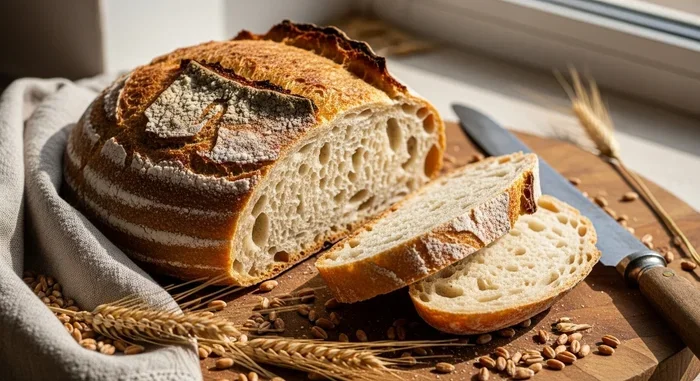
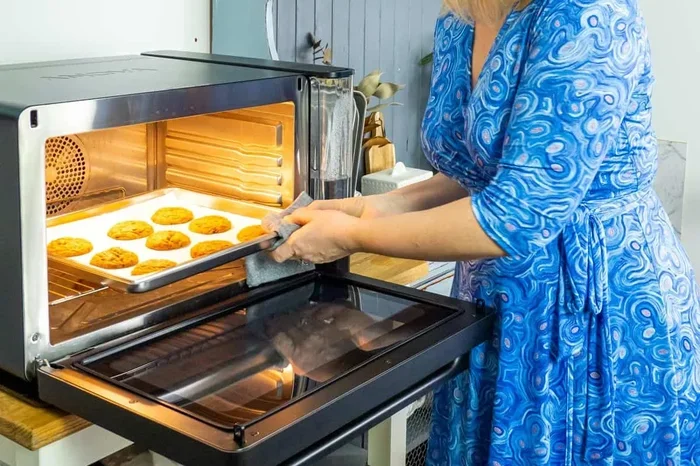
Convection baking is a game-changer for anyone who loves fresh bread and pastries. The even heat distribution ensures that croissants, cookies, and cakes rise uniformly. You get a perfect golden crust without burning the edges. Bakers love convection ovens because they eliminate the need to rotate pans halfway through baking.
When baking multiple trays at once, the fan ensures every tray receives the same amount of heat. This is especially useful during holidays or when preparing large batches of cookies. Muffins, scones, and danishes all benefit from the consistent airflow. Just remember to lower your recipe temperature by about 25 degrees Fahrenheit. The faster cooking speed means food bakes more quickly, so a small temperature drop prevents over-browning.
Roasting Meats and Vegetables
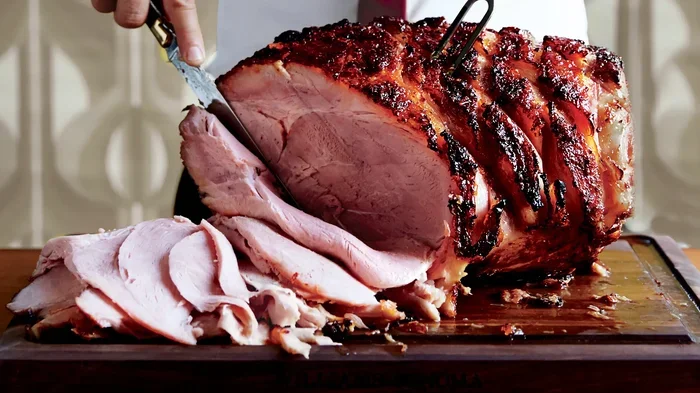
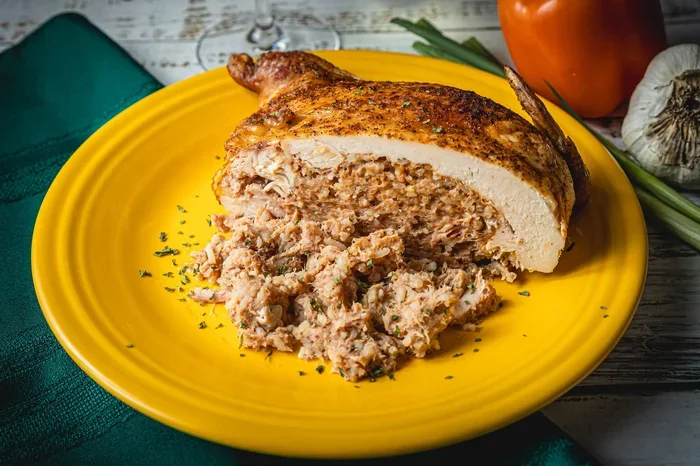
Roasting is where a convection oven truly excels. A whole chicken, pork shoulder, or beef roast cooks beautifully in a convection setting. The fan circulates hot air around the meat, creating a crackling, golden exterior while keeping the inside juicy and tender. Many professional chefs prefer convection for roasting because it delivers consistent, predictable results.
Vegetables also benefit enormously from convection roasting. Toss broccoli, carrots, or potatoes with olive oil and spread them on a baking sheet. The circulating air crisps every piece evenly. You will notice that vegetables develop deeper caramelization and richer flavor compared to conventional oven roasting. This is because the fan removes surface moisture quickly, allowing the natural sugars to brown faster.
Dehydrating Fruits and Jerky
Many people do not realize that a convection oven can double as a food dehydrator. By setting the oven to its lowest temperature and keeping the door slightly ajar, you can dry fruits, vegetables, and even meat into jerky. Apples, bananas, and mango slices come out perfectly chewy and sweet.
Homemade beef jerky is one of the most popular uses for this feature. The constant airflow dries the meat evenly without cooking it fully. You control the seasoning and avoid all the preservatives found in store-bought versions. This makes convection dehydration a healthy, budget-friendly option for snack lovers. It is a fantastic way to use your oven for food preservation.
Toasting and Browning
Need perfectly toasted bread, bagels, or English muffins? A convection oven handles toasting with precision. The even heat distribution means every slice gets the same golden color. No more flipping halfway through. You can also use the convection setting to brown cheese toppings on casseroles and gratins quickly and evenly.
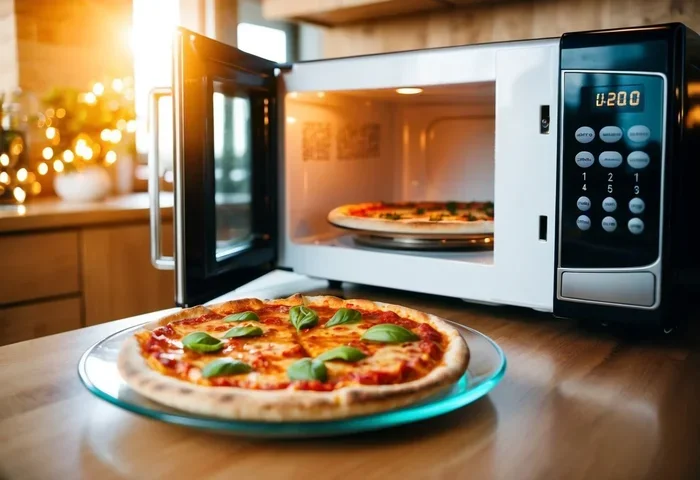
Pizza is another excellent candidate for convection cooking. The circulating air crisps the crust while melting the cheese perfectly. Frozen pizzas, in particular, come out much better in a convection oven than in a standard one. The bottom crust stays crispy without becoming soggy.
Reheating Leftovers
Reheating food in a conventional oven often leads to dried-out edges and cold centers. A convection oven solves this problem. The hot air circulates around the dish, warming it evenly from all sides. Pizza, fried chicken, and roasted vegetables reheat beautifully in a convection setting.
The fan helps restore some of the crispiness that gets lost when food sits in the fridge. Leftover french fries, for example, come out almost as crispy as when they were first cooked. This makes the convection oven a great tool for reducing food waste and enjoying meals you already prepared.
Convection Oven vs Conventional Oven
Understanding the difference between a convection oven and a conventional oven helps you choose the right setting for each dish. A conventional oven heats food using radiant heat from top and bottom elements. The heat rises naturally but does not move around much. This creates temperature variations within the oven.
A convection oven adds a fan to solve this problem. The moving air forces heat to reach every part of the oven cavity. Cooking times drop, and results become more consistent. Below is a quick comparison of the two oven types.
| Feature | Conventional Oven | Convection Oven |
|---|---|---|
| Heat Source | Top and bottom elements only | Fan + heating elements |
| Cooking Time | Longer | Up to 25% faster |
| Temperature | Standard recipe temps | Reduce by 25°F |
| Even Cooking | Can have hot spots | Very even heat distribution |
| Best For | Custards, delicate cakes | Roasting, baking, dehydrating |
| Energy Use | Higher due to longer times | Lower due to shorter times |
| Crispy Results | Good but inconsistent | Excellent and consistent |
Not every dish benefits from convection. Delicate custards and soufflés can suffer from the fan’s airflow. The moving air may cause uneven rising or create a crust too early. For these items, stick with the conventional setting. Knowing when to use each mode is a key cooking skill.
Benefits of Using a Convection Oven
Switching to a convection oven brings several advantages that improve your everyday cooking experience.
1. Faster Cooking Times. The fan-forced heat cooks food more quickly. A roast that takes two hours in a conventional oven might be done in an hour and a half with convection. This is a huge time-saver on busy weeknights.
2. Energy Savings. Shorter cooking times mean less electricity or gas used. Over time, this adds up to noticeable savings on your energy bills. It is also better for the environment.
3. Better Browning and Crisping. The moving air removes moisture from food surfaces faster. This creates a beautifully crispy exterior on roasts, pastries, and baked goods. You get restaurant-quality texture at home.
4. Cook Multiple Dishes at Once. Because convection ovens distribute heat so evenly, you can cook several trays of food on different racks without worrying about uneven results. This is perfect for meal prep and entertaining guests.
5. Consistent Results. Once you learn how your convection oven works, you get the same great outcome every time. The even heat eliminates the guesswork and reduces the number of failed dishes.
Practical Tips for Using a Convection Oven
Getting the most out of your convection oven is easy with a few simple habits. These tips will help you avoid common pitfalls and improve your results.
Always Lower the Temperature. As a general rule, reduce your recipe temperature by 25°F when using the convection setting. The fan pushes heat more efficiently, so food cooks faster and hotter. Skipping this step often leads to overcooked or burnt dishes.
Use Low-Rimmed Baking Sheets. The circulating air needs space to move around the food. High-rimmed baking sheets can block airflow and cause uneven cooking. Stick with flat, low-rimmed pans or wire racks for the best results.
Do Not Overcrowd the Oven. Leave space between pans and dishes. Blocking the airflow with too many items reduces the convection benefit. If you need to cook a lot at once, rotate the pans halfway through for even results.
Check Food Early. Because convection ovens cook faster, start checking your food a few minutes before the recipe suggests. A toothpick test for cakes or a meat thermometer for roasts helps you catch doneness at the right moment.
Use the Convection Setting for Roasting and Baking. Reserve the conventional setting for delicate items like custards, flans, and soufflés. The gentle heat of a conventional oven is better for foods that need a soft, even rise without the force of moving air.
Common Mistakes to Avoid
Even experienced cooks make mistakes with convection ovens. Here are the most common ones and how to fix them.
Not Adjusting the Temperature. This is the number one mistake. Using the same temperature as a conventional recipe almost always leads to overcooking. Always remember the 25°F reduction rule.
Covering Dishes with Foil. While foil is useful for some dishes, covering a roast or baking tray blocks the airflow. This defeats the purpose of convection cooking. Use foil only when necessary and keep it loose to allow air movement.
Ignoring the Fan Noise. Convection ovens make some fan noise. This is normal and not a sign of malfunction. However, if the noise becomes very loud or rattling occurs, check for loose items inside the oven or consult the manufacturer.
Using the Wrong Pan Material. Dark, non-stick pans absorb more heat and can cause over-browning in a convection oven. Light-colored aluminum or stainless steel pans work best. They reflect heat and promote even cooking.
Expert Insights on Convection Cooking
Professional chefs and cooking instructors agree that convection ovens are among the most useful kitchen appliances available today. Chef Maria Santos, a culinary instructor with over 15 years of experience, says, “A convection oven is the single biggest upgrade a home cook can make. It transforms ordinary meals into restaurant-quality dishes with minimal extra effort.”
The key insight from experts is this: convection cooking rewards practice. Once you understand how your specific oven model behaves, you can adjust times and temperatures with confidence. Every oven is slightly different. Some run hotter, some have stronger fans. Pay attention to your results and make small adjustments each time.
Another expert tip is to invest in an oven thermometer. Most ovens, whether convection or conventional, can be off by 10-25 degrees from the displayed temperature. An inexpensive oven thermometer takes the guesswork out of temperature control and dramatically improves your cooking results.
Many cooking schools now teach convection techniques as a core skill. The ability to cook faster, more evenly, and with better texture is a fundamental advantage in both home and professional kitchens. If you are serious about improving your cooking, learning to use your convection oven properly is one of the best investments you can make.
Key Takeaways
- Faster Cooking: Convection ovens cook food up to 25% faster than conventional ovens thanks to fan-forced heat.
- Even Results: The circulating air ensures every dish browns and cooks evenly, eliminating hot spots.
- Versatile Use: From baking pastries to roasting meats and dehydrating fruits, a convection oven handles it all.
- Energy Efficient: Shorter cooking times mean less energy used, saving money on utility bills.
- Temperature Adjustment Needed: Most recipes require lowering the temperature by about 25°F when using a convection setting.
- Crispy Texture: The fan removes moisture from food surfaces, creating perfectly crispy outsides and juicy insides.
Conclusion
A convection oven is one of the most valuable tools in any kitchen. From baking perfect bread to roasting a juicy chicken and dehydrating healthy snacks, the uses are nearly endless. Understanding what a convection oven is used for gives you the confidence to experiment with new recipes and achieve better results every time. The even heat, faster cooking, and crispy textures make it a favorite among home cooks and professionals alike.
By following the tips in this guide, you can avoid common mistakes and get the most from your convection oven. Remember to lower your temperatures, use the right pans, and give your food a little extra attention during the first few times you switch to convection mode. With practice, using a convection oven becomes second nature.
Invest the time to learn your oven’s quirks, and you will be rewarded with consistently delicious meals. The convection oven is not just an appliance. It is a kitchen partner that helps you cook smarter, faster, and better. Start exploring its capabilities today and elevate your home cooking to the next level.
Frequently Asked Questions
Can I use metal pans in a convection oven?
Yes, metal pans work perfectly well in a convection oven. In fact, light-colored aluminum pans are ideal because they reflect heat and promote even cooking. Avoid dark, non-stick pans as they can cause over-browning due to the fan-forced heat.
Is a convection oven the same as an air fryer?
They are similar but not the same. Both use a fan to circulate hot air around food. However, air fryers are smaller and cook even faster due to their compact size. A convection oven offers more cooking space and versatility for larger meals.
Can I use parchment paper in a convection oven?
Yes, parchment paper is safe to use in a convection oven. It helps with easy cleanup and prevents food from sticking. Just make sure the parchment does not touch the heating elements or extend beyond the pan edges where the fan could catch it.
What temperature should I set my convection oven to for baking cookies?
Reduce the temperature called for in your recipe by 25°F. For example, if a cookie recipe calls for 350°F in a conventional oven, set your convection oven to 325°F. Check for doneness a few minutes earlier than the recipe suggests.
Can a convection oven be used for broiling?
Most convection ovens have a separate broil setting that turns off the fan. Broiling uses direct high heat from the top element, and the fan can interfere with this process. Always check your oven manual to confirm which settings work together.
Are convection ovens harder to clean?
Not at all. Cleaning a convection oven is the same as cleaning a conventional oven. The fan and exhaust system may require occasional wiping if grease builds up, but regular cleaning keeps everything in good shape. Use a mild oven cleaner and a damp cloth for best results.