Can You Put A Cold Casserole Dish In The Oven Safely
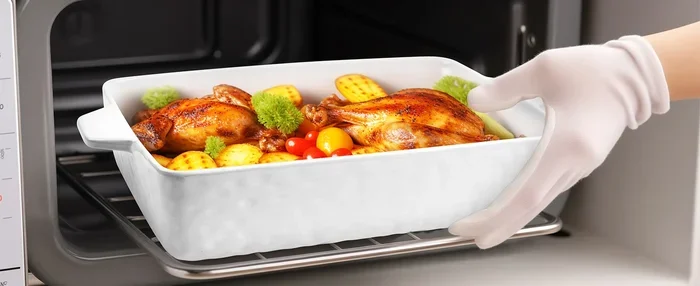
Can you put a cold casserole dish in the oven? The short answer is yes, but with important caveats to avoid thermal shock and broken dishware. Putting a freezing cold casserole dish into a hot oven can cause it to crack or shatter, ruining your meal. Understanding the oven-safe limits of your baking dish is crucial for kitchen safety and successful meal prep. In this guide, we will walk you through exactly how to handle your ceramic dish or glass bakeware without the stress when they are a cold casserole dish.
We have all been there. You just finished making a delicious casserole recipe. The kitchen smells amazing. But then you realize the dish is still sitting on the counter, completely cold. You might wonder if you can just pop that cold casserole dish straight into the hot oven. It is a common question for home cooks. After all, saving time in the kitchen is always a good thing. We are busy people. We want our dinner on the table fast. But safety must always come first when dealing with hot ovens and delicate dishware.
So, can you put a cold casserole dish in the oven? The answer is not a simple yes or no. It depends on what your dish is made of and how you handle the temperature change. Putting a freezing cold dish into a screaming hot oven is a recipe for disaster. You could end up with a cracked dish or a mess in your oven. But if you follow the right steps, you can safely bake your meal without any problems. This guide will show you exactly how to do it safely. We will cover everything from thermal shock to oven-safe materials. You will learn how to protect your baking dish and get perfect results every single time. Let us dive into the science and the practical steps you need to take.
Key Takeaways
- Check the Label: Always verify if your cold casserole dish is labeled oven-safe before putting it in the heat.
- Avoid Thermal Shock: Sudden temperature changes are the biggest enemy of glass bakeware and ceramic.
- Room Temp is Best: Letting your cold casserole dish sit out for 15 to 30 minutes before baking prevents cracking.
- Adjust Cooking Times: A cold dish will increase your overall cooking time compared to a room-temperature start.
- Use Low Heat: Starting a cold casserole dish on a lower oven temperature helps the dish warm up gradually.
- Inspect for Cracks: Never put a cold casserole dish with existing chips or cracks into the hot oven.
📑 Table of Contents
- Understanding Thermal Shock and Your Dishware
- Types of Casserole Dishes and Their Oven Limits
- Comparison Table: Materials and Their Cold-to-Hot Tolerance
- Step-by-Step Guide to Putting a Cold Casserole Dish in the Oven
- Adjusting Your Cooking Time and Recipe
- Common Mistakes to Avoid
- Expert Tips for Perfect Casseroles Every Time
- Final Thoughts on Oven Safety
Understanding Thermal Shock and Your Dishware
Before we talk about putting a cold casserole dish in the oven, we need to understand a big concept called thermal shock. This term sounds scary, but it is actually quite simple. Thermal shock happens when a material experiences a rapid change in temperature. Think about it like this. If you take a freezing cold glass and pour hot water over it, what happens? It cracks or shatters. The same thing can happen to your kitchenware in the oven. The material simply cannot handle the extreme difference between the inside and the outside.
What Is Thermal Shock?
Thermal shock occurs because different parts of the dish expand at different rates. When the bottom of the dish hits the hot air in the oven, it tries to expand quickly. But the top or sides are still cold and want to stay the same size. This uneven stretching creates stress. That stress leads to cracks. This is especially true for glass bakeware and ceramic dish materials. Both are prone to this issue if you are not careful. The scientific reason is that these materials are poor conductors of heat. They do not spread the warmth evenly right away. Instead, the part touching the heat gets hot fast, while the rest stays cold.
Not all dishware reacts the same way. Some materials handle temperature changes better than others. This is why knowing what your cold casserole dish is made of is so important. It helps you decide if you can skip the waiting time or if you need to be more careful. Always check the bottom of your pan for an oven-safe symbol. If it says it is safe for the oven, you have a good starting point. But safe does not mean you can ignore temperature changes completely. Even oven-safe dishes have limits. Understanding those limits is the key to kitchen safety and keeping your favorite pieces intact.
Why Glass and Ceramic Are Vulnerable
Glass and ceramic are beautiful materials for serving food. They look great on the dining table. However, they are more sensitive to temperature swings than metal. Glass bakeware like Pyrex is a popular choice for casserole dishes. It heats evenly and looks elegant. But when a glass pan goes from the fridge to a hot oven, it can explode. The same goes for handmade ceramic or stoneware. These materials have tiny pores that expand when hot. If the outside heats up too fast while the inside is still cold, the structure breaks down. This is a real risk that every cook should understand.
On the other hand, metal pans are much more forgiving. Aluminum and stainless steel heat resistant pans do not suffer from thermal shock as easily. They conduct heat quickly and evenly. This means you can often put a metal pan from the fridge straight into the oven with less risk. But even with metal, there are limits. You should still avoid extreme temperature jumps if you want your pan to last a long time. Treating your dishware with care will save you money and frustration in the long run. A broken dish means you have to buy a new one. And nobody wants that.
Types of Casserole Dishes and Their Oven Limits
Not all baking dishes are created equal. The material of your pan dictates how you should handle it when it is cold. Let us look at the most common types of casserole dish options you will find in a kitchen. Understanding these differences will help you make smart choices for your next meal prep session. Whether you are making a classic beef casserole or a veggie bake, knowing your pan is essential.
Glass Bakeware
Glass is a favorite for many home cooks. It is non-reactive, which means it does not change the taste of your food. Glass also allows you to see the bottom of your dish. This is great for checking if your casserole recipe has a crispy bottom. However, glass is very sensitive to sudden temperature changes. You should never put a cold glass dish into a preheated hot oven. The sudden heat causes the glass to expand unevenly. This leads to cracks or complete shattering. A shattered glass dish is dangerous and creates a huge mess.
If you must use a cold casserole dish made of glass, you need to take precautions. Place the cold dish in a cold oven first. Then, turn the oven on to a low temperature. Let the oven and the dish heat up together. This gradual warming prevents thermal shock. It is a bit slower, but it keeps your glass baking dish intact. Always remember that glass is fragile when it comes to heat. Handle it with care, and it will serve you well for years. Never place a cold glass dish on a hot surface outside the oven either.
Ceramic and Porcelain
Ceramic and porcelain dishes are gorgeous. They often come in beautiful colors and patterns. Many people love to cook in them and serve directly from the serving bowl. But like glass, ceramic is vulnerable to rapid temperature shifts. A cold ceramic dish placed directly on a hot oven rack will likely crack. The material cannot handle the sudden expansion. The beautiful glaze can also crack if the temperature changes too fast. This is called crazing, and it weakens the dish over time.
However, glazed ceramic is slightly more resistant than unglazed pottery. The glaze creates a sealed surface that helps distribute heat a little more evenly. Even so, you should not take chances. If your cold casserole dish is ceramic, let it come to room temperature first. Or, put it in the oven while it is still cold and warm it up slowly. This is the best way to ensure your ceramic dish survives the baking process without any damage. Treat your pretty serving pieces with extra care, as they often have thinner walls than standard bakeware.
Stoneware
Stoneware is a middle ground between ceramic and metal. It is thick and heavy. This makes it very durable. Many people love stoneware for its rustic look. However, stoneware is still susceptible to thermal shock if it is cold. The thick material takes a long time to heat up. This means the outside gets hot while the inside stays cold. If you put a cold casserole dish made of stoneware in a hot oven, the outside expands while the inside does not. This can cause cracking. Always warm stoneware gradually. It is worth the wait for that beautiful, even bake.
Enamelware
Enamelware has a metal core with a glass-like coating. It looks like ceramic but behaves a bit differently. The metal core makes it strong. But the enamel coating can chip if dropped. When it comes to temperature changes, enamelware is fairly resilient. It can handle going from cold to warm better than pure glass or ceramic. However, you should still avoid extreme jumps. A freezing cold casserole dish with an enamel coating in a roaring hot oven is still risky. The enamel can crack or the metal can warp over time. Treat it with respect, and it will serve you for decades.
Metal Pans
Metal pans are the workhorses of the kitchen. They are durable, conduct heat well, and are generally heat resistant. You can almost always put a cold casserole dish made of metal in the oven without worrying about it breaking. Aluminum, stainless steel, and carbon steel are excellent choices for casserole cooking. They heat up quickly and handle the transition from cold to hot with ease. This makes them the most forgiving option for busy cooks who forget to take the dish out early.
There is one exception to this rule. If your metal pan has a non-stick coating, you need to be careful. Extreme temperature changes can damage the non-stick coating over time. It is still better to let the dish warm up slightly if possible. But structurally, metal will not shatter like glass or ceramic. This makes metal pans the safest option if you are in a rush and need to put a cold dish in the oven. Just remember that dark metal pans absorb more heat, so you might need to lower your oven temperature slightly.
Comparison Table: Materials and Their Cold-to-Hot Tolerance
To help you choose the right pan for your needs, here is a quick comparison of common dishware materials. This table shows how well each material handles going from a cold casserole dish to a hot oven.
| Material | Cold to Hot Tolerance | Best Practice |
|---|---|---|
| Glass | Low | Always warm gradually in a cold oven |
| Ceramic | Low to Medium | Let sit out 15-30 mins before baking |
| Metal | High | Safe for direct transfer from fridge |
| Stoneware | Medium | Warm slowly to avoid cracking |
| Enamelware | Medium | Avoid extreme temperature jumps |
Step-by-Step Guide to Putting a Cold Casserole Dish in the Oven
If you have decided to bake your cold casserole dish straight from the fridge, you need to do it safely. You cannot just throw it in there. Following a step-by-step process ensures your kitchen safety and protects your dishware. Here is exactly what you should do to avoid any accidents or broken dishes. A little preparation goes a long way toward a successful dinner.
The Room Temperature Wait
The best practice is to let your cold casserole dish sit out for a while. Fifteen to thirty minutes is usually enough time. This allows the dish to lose some of its extreme cold. It will not reach room temperature, but it will take the edge off. This small wait makes a huge difference when the dish goes into the hot oven. The temperature gap is not as severe, so the dish can handle the heat better.
While you are waiting, you can use this time to prepare your casserole recipe ingredients. Chop some extra cheese or mix your breadcrumb topping. This way, when the dish is ready, you are ready too. If you absolutely cannot wait, you can move to the next step. But remember, waiting is the safest way to avoid thermal shock. Use this time to clean up your kitchen counters or set the table. Making the most of your time is a great habit in the kitchen.
Setting the Right Oven Temperature
When you are ready to bake, do not preheat the oven to a high temperature right away. Start with a lower oven temperature. Set your oven to about 325 degrees Fahrenheit instead of the full 375 or 400 degrees. This gentle heat gives your dish time to warm up slowly. It allows the material to adjust to the warmth without reacting badly.
Once the oven is at this lower setting, place your cold casserole dish inside. Then, you can increase the temperature to your desired level after the dish has been in the oven for about ten minutes. This two-stage heating process is incredibly effective. It mimics the gradual warming you would get by letting the dish sit out. It is a pro trick that every home cook should know. Your baking dish will thank you for it. Your food will also cook more evenly because the dish is already warming up with the oven.
Placement on the Oven Rack
Where you place your dish in the oven matters more than you might think. Never place a cold casserole dish on the very bottom rack. That is where the heating element is usually located. The direct heat is too intense and can cause the bottom of the dish to expand too fast. This uneven expansion is a direct cause of cracking.
Instead, place your dish on the middle rack. This allows the hot air to circulate around the dish evenly. If you have a thick dish, consider placing a piece of a baking sheet or a folded towel on the rack before putting the dish down. This adds a tiny bit of insulation. It prevents the direct metal-on-metal contact from creating hot spots. Hot spots are areas of intense heat that can crack the bottom of your dish. Using a baking sheet underneath also makes it easier to pull the dish out safely without burning your hands.
Adjusting Your Cooking Time and Recipe
Putting a cold dish in the oven does not just affect the dish itself. It also affects how your food cooks. A cold dish will absorb a lot of heat initially. This means your cooking time will be longer than if you started with a room-temperature dish. You need to adjust your expectations and your timer. Failing to do so can result in a cold center and overcooked edges.
How Cold Food Affects Baking Time
When you put a cold casserole dish into the oven, the oven has to work harder. It must heat the dish up to the cooking temperature before the food inside actually starts to cook. This extra step can add 10 to 15 minutes to your total cooking time. If you do not account for this, you might end up with an undercooked center. Nobody wants to eat a casserole that is still cold in the middle.
To compensate, simply add a few minutes to the recipe time. Check the dish at the normal time first. If it looks like it needs more time, give it five extra minutes. Use a food thermometer to check the internal temperature of the casserole. The center should reach at least 165 degrees Fahrenheit. This ensures that your meal is safe to eat and fully cooked through. It is always better to check early and often rather than overcooking the edges while waiting for the middle to warm up.
Checking for Doneness
Checking for doneness is always important. But it is even more critical when you start with a cold casserole dish. Because the dish itself is cold, the edges might look done before the center is warm. The cold dish acts like a heat sink. It pulls the heat away from the food until it warms up. This means you need to be patient and give your food extra time to cook thoroughly.
Look for bubbling around the edges. That is usually a good sign that the edges are hot. But you still need to check the middle. Be careful when you open the oven door. The cold dish can cause condensation on the oven window. This can make it hard to see what is happening inside. Use oven mitts to pull the dish out. Let it sit for a few minutes before serving. This resting time allows the heat to distribute evenly throughout the dish. It makes for a much better meal prep result and a more enjoyable dinner.
Common Mistakes to Avoid
Even experienced cooks make mistakes. When it comes to putting a cold dish in the oven, there are a few errors that happen all the time. Avoiding these pitfalls will keep your dish intact and your food perfectly cooked. Learning from the mistakes of others is one of the best ways to improve your kitchen skills.
Skipping the Preheat While Placing a Cold Dish
Some people think that because the dish is cold, they should put it in a cold oven and turn it on together. This is actually a good idea for glass and ceramic. But others make the mistake of putting a cold casserole dish into an already preheated oven. This is the fastest way to crack your dish. The extreme temperature difference is too much for most materials to handle. The sudden blast of heat is too much for the cold surface to bear.
If you are in a hurry, you can put the dish in a cold oven and set the temperature to high. The oven will heat up slowly along with the dish. This is much safer than placing a cold dish into a screaming hot oven. Patience is your best friend here. Rushing the process leads to broken glass or ceramic. You will end up with a mess to clean and no dinner to eat. Take the extra few minutes to do it the safe way.
Using a Damaged Dish
Never put a cold casserole dish with chips, cracks, or scratches into the oven. This is true whether the dish is cold or room temperature. Damage weakens the structure of the material. A small chip on the edge of a ceramic dish can turn into a massive crack when exposed to heat. The same goes for glass bakeware. Even a tiny flaw can expand rapidly under high temperatures. What might seem like a minor imperfection can become a major failure in the heat.
Always inspect your dishware before you use it. If you see any damage, retire that dish. Use it for cold storage or serving only. Cooking with a damaged dish is a safety hazard. It can break apart in the oven, ruining your meal and making a mess that is hard to clean. Broken ceramic can also scratch the inside of your oven. Be smart and check your dish before every use. A quick inspection can save you from a big headache later.
Using Foil Directly on Cold Glass
Some people like to cover their baking dish with aluminum foil to keep moisture in. This is a great technique. But you should never put cold foil directly onto a cold glass dish and then put it in the oven. The foil can stick to the glass when it heats up. Pulling the foil off can scrape the surface of your glass. It can also cause the glass to crack if the foil pulls unevenly. Always let the dish warm up a bit before adding foil. Or better yet, use a lid designed for your casserole dish.
Expert Tips for Perfect Casseroles Every Time
We want you to feel confident when you put a cold casserole dish in the oven. Here are some expert tips that will elevate your cooking and keep your dishware safe. These little tricks make a big difference in the quality of your food and the longevity of your bakeware. Professional cooks use these methods every day.
Quick Tips
- Always check the bottom of the dish for an oven-safe label before using it.
- Use a damp kitchen towel under a hot dish to protect your countertop from heat damage.
- Never place a cold glass dish on a hot stove burner or under a hot broiler.
- Invest in high-quality bakeware. Good heat resistant pans last longer and perform better.
- Let your casserole rest for 10 minutes after taking it out of the oven. This helps the flavors settle.
- Avoid using metal utensils on glass or ceramic dishes to prevent scratches.
- Preheat your oven with the dish inside if you are using glass or ceramic and are short on time.
Expert Insights
Professional chefs know that kitchen safety comes first. They also know that the right tools make all the difference. When working with glass bakeware, many chefs recommend the “cold start” method. This means placing the dish in the cold oven and turning the heat on. It is the gentlest way to warm the dish. It eliminates the risk of thermal shock almost completely. This method is perfect for busy weeknights when you forget to take the dish out of the fridge.
Another expert tip is to avoid moving the dish too much while it is hot. If you need to rotate it for even cooking, do it gently and carefully. Sudden movements while the dish is hot and cold can cause it to warp or crack. Treat your baking dish with respect, and it will serve you for many years of delicious casserole cooking. Also, never place a hot ceramic dish on a cold or wet surface. The sudden cooling can cause just as much damage as sudden heating. Always use a wooden or cloth trivet.
Final Thoughts on Oven Safety
So, can you put a cold casserole dish in the oven? Yes, you absolutely can. But you must do it with care. Understanding the limits of your dishware is the first step toward kitchen safety. Whether you use glass bakeware, ceramic, or metal, the key is to manage the temperature change. Avoid thermal shock by letting the dish warm up gradually or by starting in a cold oven.
Remember to adjust your cooking time to account for the cold starting temperature. Check your food for doneness using a thermometer. And always inspect your dish for damage before baking. By following these simple steps, you can confidently bake your favorite casserole recipe without worrying about broken dishes. Your oven will stay clean, your meal will taste great, and your baking dish will last for a long time. Happy cooking and enjoy your delicious, safely baked meal!
Frequently Asked Questions
Can I put a glass casserole dish from the fridge directly into the oven?
It is not recommended. Glass is very sensitive to sudden temperature changes. Putting a freezing cold glass dish into a hot oven can cause it to shatter due to thermal shock. Instead, let the glass dish sit out for 15 to 30 minutes, or place it in a cold oven and turn the heat on gradually.
What happens if you put a cold ceramic dish in a hot oven?
The sudden heat causes the ceramic to expand unevenly, which often leads to cracking or shattering. The glaze can also crack, a process called crazing. To avoid this, always let your ceramic dish come to room temperature before baking, or use the cold-start method by placing it in the oven before heating.
How long should a cold casserole dish sit out before going in the oven?
Fifteen to thirty minutes is usually the perfect amount of time. This brief wait allows the dish to lose its extreme cold without reaching room temperature. It significantly reduces the temperature gap between the dish and the oven, helping to prevent thermal shock and keeping your dishware safe.
Is it safe to put a cold metal pan in the oven?
Yes, metal pans are generally the safest option for going from cold to hot. Materials like aluminum and stainless steel handle temperature changes much better than glass or ceramic. However, if your metal pan has a non-stick coating, it is still best to let it warm up slightly to protect the coating from damage.
Why did my casserole dish crack when I put it in the oven?
The most likely reason is thermal shock. This happens when the cold dish hits the hot oven and the outside expands too fast while the inside remains cold. The stress from this uneven expansion causes the material to crack. This often occurs with glass, ceramic, and stoneware when they are not warmed up gradually.
Can you put a frozen casserole dish in the oven?
You can, but you must take extra precautions. Frozen dishes are even colder than refrigerated ones, making them more vulnerable to thermal shock. Always thaw the dish slightly if possible, or place the frozen dish in a cold oven and set it to a low temperature to start. Increase the heat slowly to allow the dish to adjust safely.