How To Cook Steak In Breville Oven For Best Results
Cooking steak in a Breville oven is one of the easiest ways to get a perfect sear and juicy interior every single time. This guide walks you through everything from choosing the right cut to nailing the exact internal temperature. You will learn proven techniques, timing charts, and expert tips that turn your Breville oven into a steak powerhouse.
There is something deeply satisfying about cooking a perfect steak at home. The sizzle. The aroma. The first juicy bite. Many people think you need a fancy grill or a professional kitchen to get restaurant-quality results. But the truth is, your Breville oven can do wonders for a great cut of meat. Whether you prefer a rare center or a perfect medium-rare, learning how to cook steak in Breville oven opens up a world of possibilities. This guide gives you every tip, temperature, and timing detail you need. You will walk away feeling confident enough to cook steak like a pro.
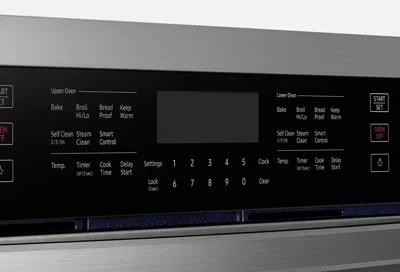
The Breville oven is not just any regular oven. It comes with smart features, precise temperature control, and powerful convection settings. These qualities make it ideal for cooking steak evenly from edge to center. Many home cooks already trust Breville for baking and roasting. But steak? That is where this appliance truly shines. With the right approach, you can achieve a golden crust and a pink, juicy interior without any guesswork.
In this article, we cover everything you need to know. From picking the right cut to setting the perfect temperature, we have you covered. You will also learn common mistakes to avoid and pro tips that make a huge difference. By the end, you will wonder why you ever cooked steak any other way. So let us dive in and explore the best way to cook steak in your Breville oven.
Key Takeaways
- Preheat your Breville oven: Always preheat to the right temperature before placing your steak inside for even cooking.
- Choose thick cuts: Thicker steaks (1 to 1.5 inches) work best for oven cooking because they retain moisture better.
- Use a meat thermometer: This is the single most important tool for achieving your desired doneness every time.
- Rest your steak: Letting the steak rest for 5 to 10 minutes after cooking keeps the juices locked inside.
- Sear first, then oven: A quick sear on the stovetop before oven cooking creates a beautiful crust.
- Season simply: Salt, pepper, garlic, and olive oil are all you need for a flavorful oven steak.
📑 Table of Contents
- Why the Breville Oven Is Perfect for Cooking Steak
- Choosing the Best Steak Cut for Oven Cooking
- Step-by-Step: How To Cook Steak in Breville Oven
- Temperature and Time Guide for Every Doneness Level
- Finishing Techniques and Resting Your Steak
- Common Mistakes That Ruin Oven Steak
- Expert Tips for the Perfect Oven Steak Every Time
- Conclusion
Why the Breville Oven Is Perfect for Cooking Steak
Not all ovens are created equal when it comes to cooking steak. The Breville oven stands out for several reasons. First, it heats up fast. You do not need to wait forever for your oven to reach the right temperature. Second, the convection fan circulates hot air evenly around the steak. This means no hot spots and no uneven cooking. Third, Breville ovens often come with precise digital controls. You can set the temperature to the exact degree you need.
Convection Technology for Even Heat
The convection feature is a game changer for oven steak. Hot air moves constantly around the meat. This helps create an even sear and consistent cooking throughout. Without convection, the top and bottom of your steak might cook at different rates. With a Breville oven, you get uniform heat on all sides. This is especially helpful for thicker cuts that need more time in the oven. The even heat distribution is one reason why the Breville smart oven has become a favorite among home cooks who love oven-baked steak recipes.
Smart Features That Make Steak Easier
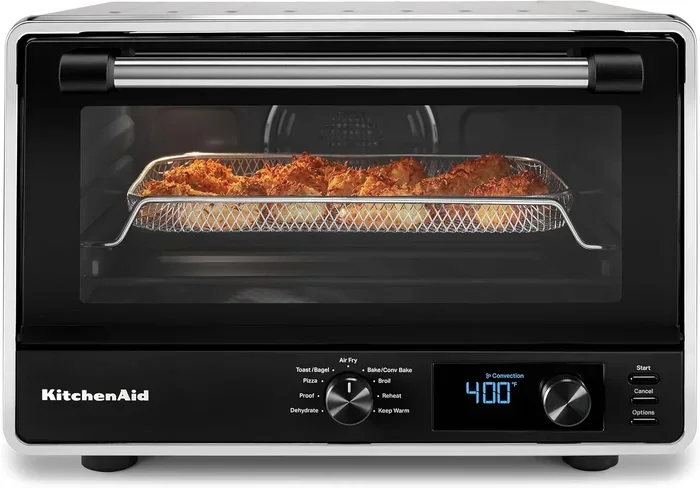
Breville ovens come packed with smart features. Some models have a slow cook function. Others offer a broil setting that mimics the intense heat of a grill. You can also find models with a proof function, though that is more for baking. For steak, the convection bake and broil settings are your best friends. These settings let you control the cooking environment with precision. If you have ever used your Breville for How To Cook Frozen Fries In Air Fryer Oven style recipes, you already know how well it handles high-heat cooking. Steak works the same way. The powerful heating elements and fan system ensure that every inch of the steak gets the right amount of heat.
Choosing the Best Steak Cut for Oven Cooking
Not every steak is created equal for oven cooking. Some cuts work better than others. The key is choosing a steak that can handle the oven’s dry heat without drying out. Thicker cuts are your best bet because they stay juicy longer. Thin steaks can overcook quickly in an oven setting.
Best Steak Cuts for the Breville Oven
Here are the top cuts that work beautifully in a Breville oven:
- Ribeye: Rich in flavor and marbling. This cut stays juicy even after oven cooking. The fat melts and creates a tender, buttery texture. It is the most forgiving cut for beginners.
- New York Strip: A classic steakhouse favorite. It has a good balance of fat and meat. It cooks evenly in the oven and develops a great crust on the surface.
- Filet Mignon: The most tender cut available. It is leaner than ribeye or strip, so it needs careful attention to avoid overcooking. A thermometer is essential for this cut.
- Sirloin: A budget-friendly option that still delivers great flavor. It works well in the oven when you do not overcook it. It is a great everyday steak.
- Flat Iron Steak: A lesser-known cut that is incredibly tender and flavorful. It responds well to oven cooking at moderate temperatures. Try it for a change of pace.
Thickness Matters More Than You Think
When it comes to oven steak, thickness is everything. Steaks that are 1 to 1.5 inches thick give you the best results. They have enough mass to stay moist during cooking. Thinner steaks, like ½ inch, tend to dry out quickly in the oven. If you only have thin steaks, consider using the broil setting for a shorter time. Think of it this way: the same idea applies whether you are making How Long To Cook Oysters In Oven dishes or oven steak. Thicker items need more time, but they also stay juicier. For steak, aim for at least one inch of thickness for the best oven experience. The extra mass acts as a buffer against overcooking.
Step-by-Step: How To Cook Steak in Breville Oven
Now that you know which steak to pick, let us get into the actual cooking process. This step-by-step guide will walk you through every stage. Follow these steps closely, and you will nail your oven steak every single time.
Step 1: Take the Steak Out of the Fridge Early
Remove your steak from the refrigerator about 30 to 45 minutes before cooking. Let it sit at room temperature. This step is crucial. A cold steak placed in a hot oven will cook unevenly. The outside burns while the inside stays cold. By bringing the steak to room temperature first, you ensure more uniform cooking throughout. This simple trick makes a noticeable difference in the final result. Pat the steak dry with a paper towel during this time to remove surface moisture.
Step 2: Season Generously
Keep your seasoning simple and effective. Here is what you need:
- Kosher salt
- Freshly cracked black pepper
- Garlic powder (optional)
- A drizzle of olive oil
Pat the steak dry with a paper towel first. Dry meat sears better than wet meat. Then apply the salt and pepper on both sides. The olive oil helps the seasoning stick and promotes browning. Do not add too much oil. Just a light coat is enough. Some cooks like to add fresh herbs like rosemary or thyme. That works too, but keep it minimal. The steak itself should be the star of the show. A well-seasoned oven steak needs very little fuss to taste amazing.
Step 3: Preheat Your Breville Oven
Preheat your Breville oven to 400°F (200°C) for a standard cook. If you prefer a slower, more even cook, set it to 375°F (190°C). The higher temperature gives you a faster crust. The lower temperature allows for more gentle cooking. Both approaches work well. The key is letting the oven fully preheat before the steak goes in. Most Breville models heat up in 5 to 10 minutes. Use this time to prep your steak and get your pan or baking sheet ready. Proper preheating is the foundation of a great oven steak recipe.
Step 4: Sear the Steak First (Optional but Recommended)
Searing the steak on the stovetop before putting it in the oven is a technique many steak lovers swear by. This step creates a flavorful brown crust through the Maillard reaction. Heat a cast iron skillet over high heat. Add a small amount of oil. Once the oil is shimmering, place the steak in the pan. Sear for about 1 to 2 minutes on each side. You want a deep brown color, not black. After searing, transfer the steak directly to the oven-safe dish or baking sheet.
If you prefer a simpler approach, you can skip the stovetop sear and go straight to the oven. The Breville oven’s convection setting will still give you a nice crust. But the extra sear adds a layer of flavor that is hard to beat. Think of it like How To Finish Ribs In Oven After Smoking — the finishing step elevates the whole dish. That extra sear on the stovetop creates a steak crust formation that locks in moisture and adds a deep, savory flavor you cannot get from oven-only cooking.
Step 5: Cook in the Breville Oven
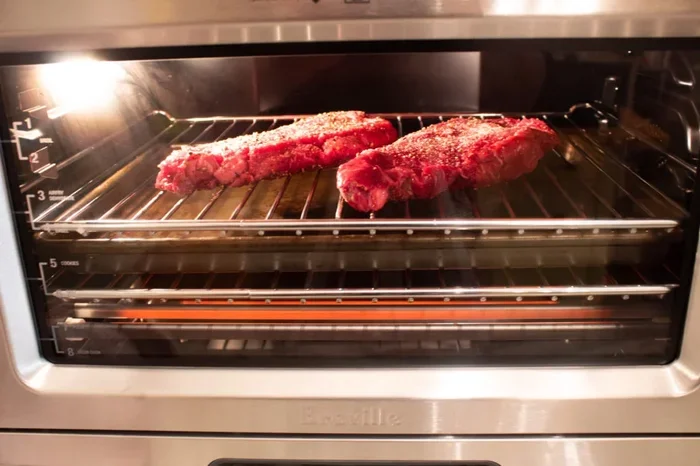
Place the steak on a wire rack set over a baking sheet. The wire rack allows air to circulate underneath the meat. This promotes even cooking on all sides. If you do not have a wire rack, you can place the steak directly on the baking sheet. Just remember to flip it halfway through cooking. Put the steak in the preheated Breville oven. Cook for the time recommended in the temperature guide below. Resist the urge to open the oven door too often. Every time you open the door, heat escapes. This can affect cooking time and temperature consistency. Let the oven do its work and trust the process.
Step 6: Check the Internal Temperature
This is the most important step in the entire process. Use a digital meat thermometer to check the internal temperature. Insert it into the thickest part of the steak, away from the bone if there is one. The temperature will tell you exactly how done your steak is. Do not rely on time alone. Every steak is different in thickness and starting temperature. Without a thermometer, you are just guessing. The thermometer removes all guesswork and gives you confidence in your cook. This is the secret weapon that separates good home cooks from great ones. It applies whether you are monitoring How Long Do Chicken Kebabs Take In The Oven or checking your steak for the perfect medium-rare doneness.
Step 7: Rest the Steak Before Slicing
Once your steak reaches the target temperature, take it out of the oven. Place it on a cutting board and cover it loosely with aluminum foil. Let it rest for 5 to 10 minutes. During this resting period, the juices inside the steak redistribute. If you cut into it immediately, those juices will run all over the board instead of staying in the meat. The result is a drier steak. Resting is simple but it makes a massive difference. Think of it like the patience required when making How Long Do Chicken Kebabs Take In The Oven — timing and resting are everything. After resting, your steak will be juicier, more flavorful, and much more enjoyable to eat.
Temperature and Time Guide for Every Doneness Level
Every steak lover has a preferred level of doneness. Some like it rare with a cool red center. Others prefer medium-rare with a warm pink center. Understanding the right temperature for each level is the key to consistent results. Here is your complete guide.
Internal Temperature Chart for Oven Steak
Use this chart as your go-to reference when cooking steak in the Breville oven. Remove the steak from the oven about 5 degrees below your target temperature. The steak will continue to cook as it rests. This is called carryover cooking, and it is essential to understand.
- Rare: 120°F to 125°F (49°C to 52°C) — Remove at 115°F
- Medium Rare: 130°F to 135°F (54°C to 57°C) — Remove at 125°F
- Medium: 140°F to 145°F (60°C to 63°C) — Remove at 135°F
- Medium Well: 150°F to 155°F (66°C to 68°C) — Remove at 145°F
- Well Done: 160°F and above (71°C and above) — Remove at 155°F
Most steak experts recommend medium-rare as the sweet spot. It brings out the best flavor and texture in the meat. The fat has time to melt and baste the steak from within. But ultimately, the best doneness is the one you enjoy most. Use the chart above and adjust based on your preference. The steak internal temperature is your most reliable guide for perfect results every time.
Approximate Cooking Times for Different Thicknesses
Cooking times vary based on steak thickness and oven temperature. Here is a general guide for a 400°F (200°C) oven:
- 1-inch thick steak: 8 to 10 minutes total
- 1.5-inch thick steak: 12 to 15 minutes total
- 2-inch thick steak: 18 to 22 minutes total
These times assume you are using the convection bake setting. If you use the broil setting, the times will be shorter. Always use the meat thermometer to confirm doneness. Times are just a guide. The thermometer is your real best friend in the kitchen. Keep in mind that the oven steak timing can also vary based on whether you seared the steak first. A seared steak will have slightly less oven time because the outside has already started cooking on the stovetop.
Finishing Techniques and Resting Your Steak
The finishing stage is where good steak becomes great steak. It is the difference between a decent home-cooked steak and one that rivals any restaurant. Do not skip this section if you want to elevate your oven steak game.
The Reverse Sear Method
The reverse sear is a popular technique among steak enthusiasts. Instead of searing first and then oven cooking, you do it in reverse. You start by cooking the steak low and slow in the oven. Set your Breville oven to 275°F (135°C). Place the steak inside and cook until it is about 10 degrees below your target internal temperature. Then, remove it and sear it in a hot cast iron skillet for about 1 minute on each side. This method gives you an incredibly even doneness throughout the steak. The edges are pink all the way through, and the center has a perfect crust. It takes a bit longer, but the results are worth every minute. The reverse sear steak oven method is especially effective for thick-cut steaks that benefit from gentle, controlled cooking.
Adding Butter and Herbs at the End
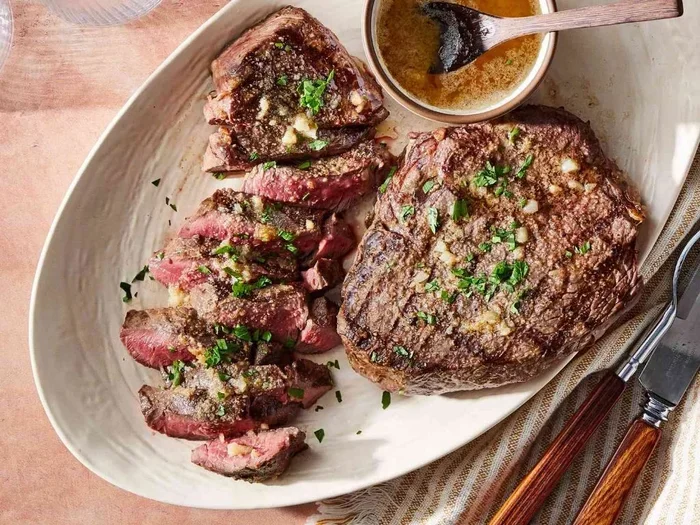
For an extra touch of luxury, add butter and herbs during the last few minutes of cooking or right after removing the steak from the oven. Place the steak on a cutting board and top it with a knob of butter. Add fresh thyme, rosemary, or a crushed garlic clove. The heat from the steak will melt the butter and release the aromatic oils from the herbs. Spoon the melted butter over the steak as it rests. This simple addition adds richness and depth of flavor that is absolutely delicious. It transforms a good steak into a memorable meal with minimal extra effort.
Slicing Against the Grain
How you slice your steak matters just as much as how you cook it. Always cut against the grain. Look at the meat and find the direction of the muscle fibers. Cut perpendicular to those fibers. This shortens the muscle fibers and makes each bite more tender. If you cut with the grain, the steak will be chewier and harder to enjoy. Take the extra 30 seconds to identify the grain before you slice. Your taste buds will thank you. Proper slicing is one of the most overlooked oven-broiled steak tips that can make or break the eating experience.
Common Mistakes That Ruin Oven Steak
Even experienced cooks make mistakes when cooking steak in the oven. Being aware of these pitfalls helps you avoid them. Here are the most common errors and how to fix them.
Skipping the Room Temperature Rest
This is the number one mistake people make. Putting a cold steak straight into a hot oven leads to uneven cooking. The outside overcooks while the inside stays too cold. Always let your steak sit at room temperature for at least 30 minutes before cooking. It is a small step that makes a huge impact on the final result. This simple habit separates successful home cooks from frustrated ones.
Not Using a Meat Thermometer
Relying on time alone is a recipe for disappointment. Every oven is different. Every steak is different. Without a thermometer, you are just guessing. A digital meat thermometer costs very little and takes the guesswork out completely. It is the single most important tool for cooking steak in any oven, including the Breville. If you think about it, the same principle applies whether you are timing How Long To Roast Pumpkin Seeds In Oven or cooking a thick ribeye. Always use a thermometer for precision. It is a small investment that pays off every single time you cook.
Overcooking the Steak
It is easy to go a few minutes too far, especially if you are new to oven cooking. Remember that carryover cooking adds 5 to 10 degrees after you remove the steak from the oven. Pull the steak off early and let the resting period do the work. It is much easier to put the steak back for a few more minutes than to try to save an overcooked piece of meat. Trust the thermometer and trust the process. A few minutes of patience goes a long way toward a juicy oven steak.
Using the Wrong Pan or Rack Setup
Do not place your steak directly on a solid baking sheet. This traps steam underneath and prevents a good crust from forming. Use a wire rack over a baking sheet instead. The air circulation underneath the steak promotes even browning on all sides. If you do not have a wire rack, you can use the oven-safe skillet you seared the steak in. Just make sure it is oven-safe and can handle high temperatures. The right setup makes a noticeable difference in the texture and appearance of your finished steak.
Cutting Into the Steak Too Early
We know it is tempting. That sizzling steak looks incredible right out of the oven. But cutting into it immediately releases all those precious juices. Give it time to rest. Five to ten minutes is all you need. Use this time to prepare any sides or make a quick pan sauce from the drippings. Patience pays off with a juicier, more flavorful steak. This is one of those small habits that makes a big difference in the final plate.
Expert Tips for the Perfect Oven Steak Every Time
Here are some bonus tips that take your oven steak from good to outstanding. These are the small details that separate average steak from exceptional steak.
- Dry brine your steak: Salt the steak and leave it uncovered in the fridge for 1 to 2 hours before cooking. This draws out moisture, which then gets reabsorbed. The result is a more seasoned and tender steak with a better texture. This technique is a favorite among steak cooking temperature experts.
- Use a pizza stone or baking steel: Placing a pizza stone in the oven while it preheats creates an incredibly hot surface. Set your steak on the stone for an amazing crust. This works especially well with the Breville oven’s convection setting. The stone stores heat and releases it evenly onto the steak.
- Let the steak rest at room temperature: We mentioned this before because it really is that important. A room-temperature steak cooks more evenly and reduces the total cooking time. It also helps achieve a better sear when you combine stovetop and oven methods.
- Experiment with different seasonings: While salt and pepper are classic, try adding smoked paprika, cumin, or a touch of brown sugar for a sweet and savory crust. The Breville oven handles bold flavors beautifully and distributes them evenly.
- Make a pan sauce: After resting your steak, pour off the excess fat but leave the brown bits in the pan. Add a splash of beef broth, a knob of butter, and a squeeze of lemon. Stir and pour over your sliced steak. It is restaurant-quality finishing right at home.
Conclusion
Cooking steak in your Breville oven is easier and more rewarding than most people realize. With the right cut, the right temperature, and a little patience, you can achieve steakhouse-quality results in your own kitchen. The Breville oven gives you the precision and power to cook steak exactly the way you like it. Whether you prefer rare, medium-rare, or well done, this guide has everything you need.
Remember the key steps: bring the steak to room temperature, season simply, preheat your oven, use a meat thermometer, and always let the steak rest. These fundamentals apply to every steak you ever cook in the Breville oven. Once you nail these basics, you can experiment with different cuts, seasonings, and techniques. The possibilities are endless. The oven-broiled steak tips in this article will serve you well for years to come.
So next time you are craving a perfect steak, skip the grill and let your Breville oven do the work. You might just discover that it becomes your favorite way to cook steak. Happy cooking, and enjoy every bite.
Frequently Asked Questions
Can I cook a thin steak in the Breville oven?
Yes, you can cook thin steaks in the Breville oven. Use the broil setting for thinner cuts (less than 1 inch). Keep a close eye on the steak because thin cuts cook very quickly. Check the internal temperature often to avoid overcooking. For best results with thin steaks, sear them first on the stovetop and then finish briefly in the oven.
What temperature should I set my Breville oven for steak?
For a standard oven steak, preheat your Breville oven to 400°F (200°C). If you prefer a slower, more even cook, use 375°F (190°C). For the reverse sear method, set it to 275°F (135°C) for the low and slow phase. Always use a meat thermometer to check the internal temperature rather than relying on oven time alone.
Do I need to sear steak before putting it in the oven?
Searing is not required, but it is highly recommended. Searing creates a flavorful brown crust through the Maillard reaction. It adds depth and complexity to the flavor of your steak. If you skip the sear, the Breville oven’s convection setting will still produce a nice crust. But for the best results, sear first on the stovetop for 1 to 2 minutes per side.
How long should I rest my steak after cooking?
Let your steak rest for 5 to 10 minutes after cooking. Cover it loosely with aluminum foil during this time. Resting allows the juices inside the steak to redistribute evenly. If you cut into it immediately, the juices will run out and the steak will be less flavorful and juicy. This resting period is just as important as the cooking itself.
Can I use a baking sheet instead of a wire rack for oven steak?
You can use a baking sheet, but a wire rack is better. The wire rack allows hot air to circulate underneath the steak, promoting even cooking and a better crust. A solid baking sheet traps steam and can make the bottom of the steak soggy. If you only have a baking sheet, try propping the steak up on a piece of aluminum foil to allow some airflow underneath.
What is the best steak cut for beginners cooking in the Breville oven?
Ribeye is the best cut for beginners. It has generous marbling that keeps it juicy and forgiving during oven cooking. Even if you slightly overcook it, a ribeye remains tender and flavorful. New York Strip is another great option. It is slightly leaner but still very forgiving. Start with a thick-cut ribeye and use the temperature guide in this article for perfect results every time.